

Wildfire near Draguignan forces evacuations; 600+ firefighters burn 10 homes in Var
Southern France’s wind-driven blaze near Draguignan triggered evacuations and housing damage, as authorities deployed an unusually heavy response.
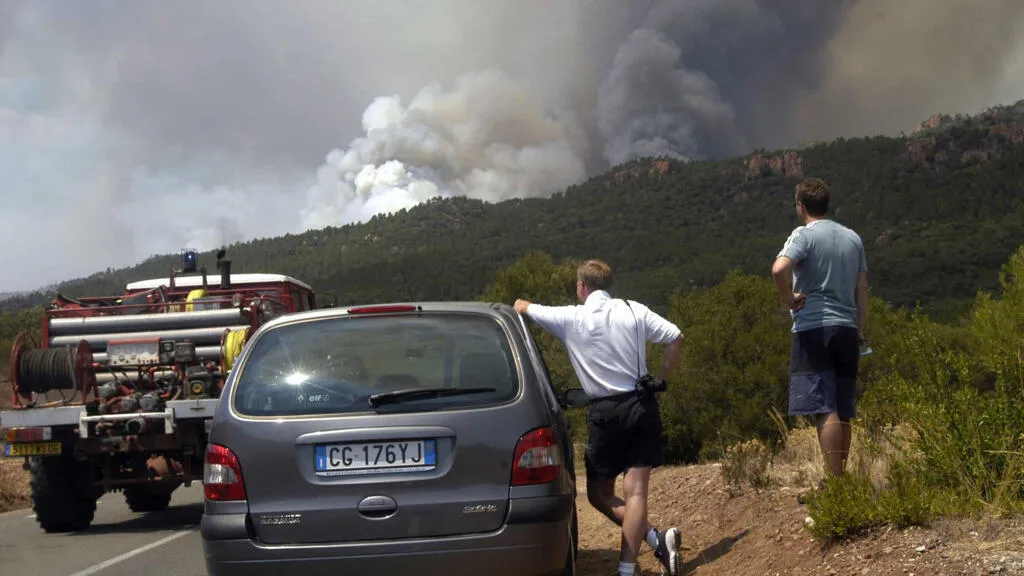
A fast-moving wildfire near Draguignan in southern France forced dozens of residents to evacuate while more than 600 firefighters and water-bombing aircraft battled the blaze. The damage was immediate and tangible, with 10 homes destroyed, nine more damaged, and one firefighter slightly injured.
A fast-moving wildfire near Draguignan in southern France forced dozens of residents to evacuate on Sunday. The scale of the response was also loud on day one: more than 600 firefighters, along with water-bombing aircraft, went to work as the fire pushed through the landscape.
The numbers from authorities are stark. The blaze burned 10 homes, damaged nine others, and slightly injured one firefighter. The fire was fanned by strong winds and dry vegetation, two ingredients that turn a local incident into an operations and safety test in hours, not days.
For executives, the immediate lesson is that “controllable risk” is often an illusion when weather and fuel conditions align. Fire behavior is path dependent. Once strong winds and dry vegetation connect, the fire can outpace the best-laid plans, forcing responders into rapid triage: protect life first, then protect structures where feasible, then prevent secondary disasters like spot fires that jump control lines. The operational reality is visible here in the staffing level. Over 600 firefighters and water-bombing aircraft suggests authorities treated the situation as high risk from the start, not a slow burn that could be managed with routine resources.
There is also a public-sector coordination angle that matters beyond this region. Fires are where multiple functions collide: emergency services, local officials, aviation logistics for water bombing, and the communications required to move residents out of harm’s way. “Dozens” of evacuations may sound modest compared with large-scale disasters, but evacuations are not just doors closing. They involve real friction for families and businesses, including transport, temporary shelter capacity, and ensuring that vulnerable residents are reachable. When authorities act early, it tends to reduce downstream harm even if the final fire footprint stays painful.
Zoom out, and this is a reminder for insurers and infrastructure stakeholders that climate-linked extremes can compress the timeline for claims and recovery. This source does not provide property values or insured losses, so it would be irresponsible to guess. But it does provide a window into how quickly damage accumulates: 10 homes burned, nine damaged, and one firefighter slightly injured, all tied to conditions described as strong winds and dry vegetation. The second-order effect for balance sheets is the pace of settlement pressure. Even when total losses are limited, fast-moving events can create clustered expenses: debris, temporary housing, reinstatement, and verification costs. Those costs arrive before insurers and counterparties can fully model outcomes.
There is also a workforce safety and training dimension. One firefighter was slightly injured, which is a small detail in the headline but a signal worth tracking. In wildland operations, injuries often happen during transitions: moving equipment, working the line under changing wind direction, or coordinating between ground crews and aircraft drops. A response that includes both firefighters and water-bombing aircraft implies that multiple tactics were used, and each tactic has its own risk profile. For organizations that rely on emergency response contracts or that manage large facilities near wildland-urban interfaces, this highlights the value of rehearsed procedures, clear command structures, and equipment readiness.
Finally, for leaders of companies that operate in or support affected regions, the strategic stakes are about continuity. Fires do not only damage property; they disrupt the ability to work. Roads can be closed, utilities can be impacted, and local supply chains can pause while authorities focus on life safety. Even though the source centers on the Var department near Draguignan and provides a snapshot for Sunday, that is exactly the pattern executives should plan for: a sudden event, heavy on-the-ground response, immediate damage to homes, and a ripple effect that hits operations after the flames. In a world where speed is everything, the right question for boards is not “Will something happen?” It is “How fast can our ecosystem respond, and how cleanly can it recover, when conditions turn from normal to dangerous in a matter of hours?”
This story's Key Insights and Take-aways are locked.
Create a free account to unlock Executive Actions for one credit.
Register to UnlockAlways free for Executives Club members. Join the Club
More in Politics

LA County: DOJ's 20,000 'noncitizen' voter list is 'unreliable,' includes U.S.-born
Preliminary review by Los Angeles County election officials finds errors in the federal list, raising the stakes for voter roll integrity ahead of November.

Trump's $1.5B Pentagon chip investment lands in North Carolina
A $1.5 billion defense infusion for North Carolina chipmaking signals a new era of Pentagon-backed reshoring - here's what it means for the industry.

Nigeria confirms first Ebola case in Abuja, a woman just off a Uganda flight
Health Minister Muhammad Ali Pate says the patient flew in from Uganda, putting Africa's latest outbreak on Nigeria's doorstep.