

William H. Wisher Jr. died at 71 after co-writing The Terminator and Terminator 2
The screenwriter behind two blockbuster sci-fi franchises died peacefully at home, and Hollywood is already feeling the gap.
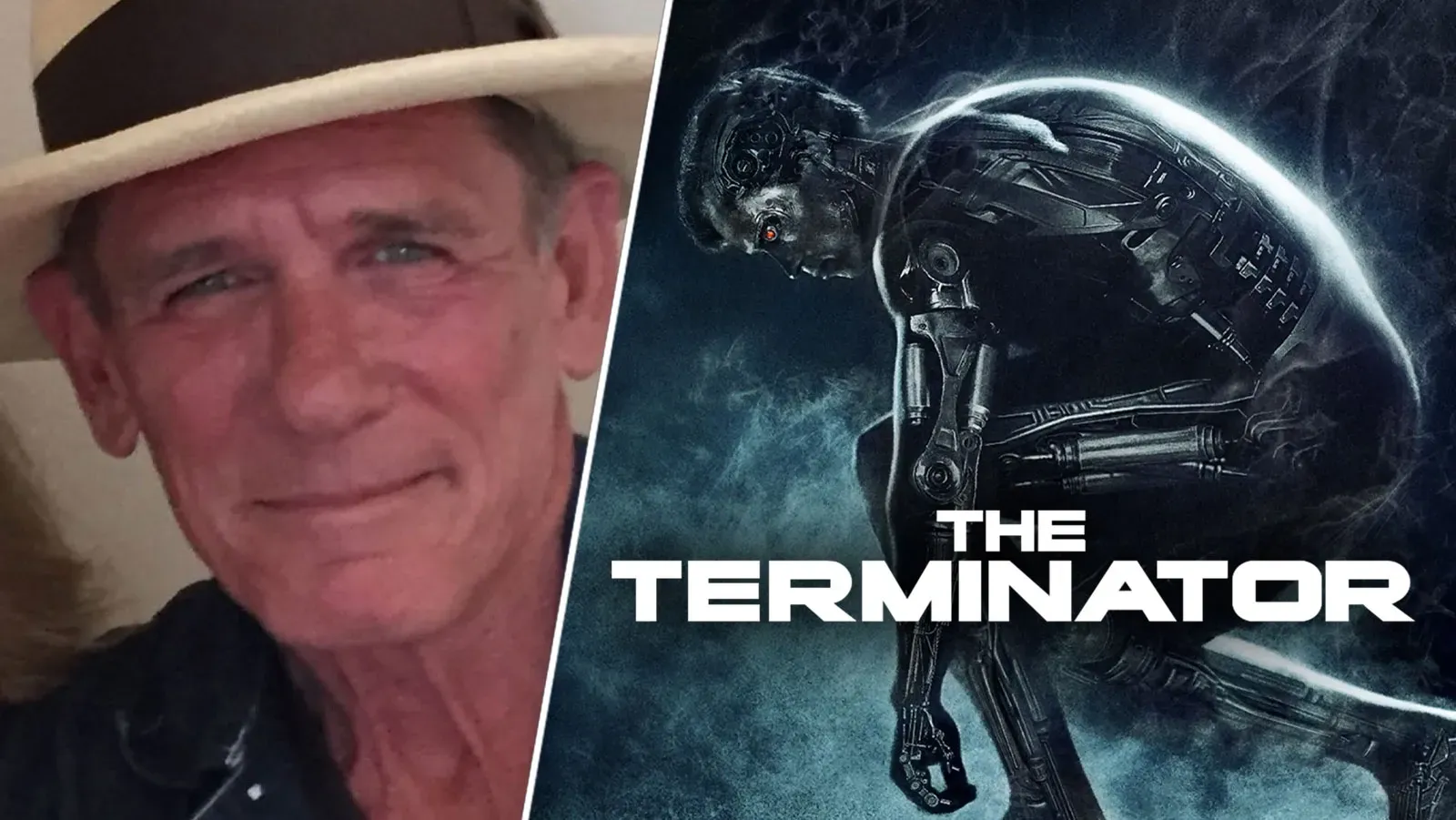
William H. Wisher Jr., a producer and screenwriter who co-wrote The Terminator and Terminator 2: Judgment Day, has died at 71. His family confirmed he “passed away peacefully at home,” and highlighted how he viewed stories as a bridge across generations.
William H. Wisher Jr. has died at 71. The Wisher family confirmed that the producer and screenwriter “passed away peacefully at home,” marking the loss of one of the key creative voices behind The Terminator and Terminator 2: Judgment Day.
For anyone who tracks entertainment like a business, this is not just another obituary line. Wisher’s writing shaped two of the most influential science fiction franchises of the modern era, and that kind of creative gravity keeps paying dividends long after scripts hit production. It also matters right now because the film industry is in the middle of a high-cost, high-competition cycle where durable IP and recognizable narrative frameworks can make the difference between a studio bet that sticks and one that flops.
What the family actually emphasized is worth reading closely, because it frames how Wisher seemed to think about the work beyond box office headlines. The family said, “William believed that stories have the power to connect people across generations.” That is a simple sentence, but in practice it is exactly what franchise creators chase: characters, concepts, and stakes that can travel. The Terminator stories did not just entertain; they created a shared reference point that stayed legible across age groups and eras, which is why the franchise remained culturally sticky.
To understand why this death lands with extra weight for decision-makers, you have to zoom out to how screenwriting is valued. Screenwriters are often credited as origin points, but the industry consumes their outputs through a pipeline: studios buy, producers package, financiers underwrite, marketers sell. When a writer like Wisher helps define the logic of a franchise, those narrative rules become part of the brand. They show up in sequel development, casting expectations, visual storytelling priorities, and even what audiences assume they are signing up for.
The second-order implication is that franchises can become “systematized.” A movie script is not just a story, it is a template. When that template is strong, it guides later creative decisions even when different writers and directors step in. That can be a stabilizer. It can also become a constraint, because new iterations must still satisfy the expectations anchored by earlier work. So when a foundational creator passes away, it puts more pressure on the living creative and production teams to protect what made the original narratives work while still finding room to evolve.
There is also a practical business reality underneath the sentiment. Large-scale film and television projects depend on schedules, relationships, and institutional knowledge. Even when a franchise is capable of continuing without a specific person, the presence of original architects shapes how people think about story outcomes and audience chemistry. Losing a co-writer of such recognizable entries can shift internal dynamics, because teams are forced to rely on memory, documentation, and interpretation rather than direct input from someone who helped build the underlying blueprint.
In terms of what is being reported, the core facts are straightforward. Wisher was a producer and screenwriter. He co-wrote The Terminator and Terminator 2: Judgment Day. He was 71. And the Wisher family confirmed the manner of death, saying he “passed away peacefully at home.” Those specifics matter because they remove speculation, and they keep the focus where it belongs: on the person and the work.
Still, for leaders in adjacent creative industries, the strategic takeaway is clear. IP endurance is a competitive advantage, but it is also fragile, because it relies on the creative intelligence that gave a universe its rules. When that intelligence leaves the room, the remaining teams face a harder task: to preserve the recognizable core, maintain audience trust, and keep the franchise energy from turning into mere imitation. For executives and board members making bets on legacy brands, this is a reminder that the most valuable asset is not only the logo or the rights package. It is the story engine that people can feel, even years later.
This story's Key Insights and Take-aways are locked.
Create a free account to unlock Executive Actions for one credit.
Register to UnlockAlways free for Executives Club members. Join the Club
More in Entertainment

12TB Steam 'teraleak' goes beyond Valve: GTA 3, Mafia 2 prototypes exposed
A 12-terabyte dump of Steam data reveals prototypes and builds of third-party classics like GTA 3 and Mafia 2, plus unreleased Valve content, rewriting game history.

LinkedIn's romance problem: 1 in 4 workers say dating on it is fair game
A new survey shows a quarter of U.S. employees treat the professional network as fair game for romance, even as LinkedIn bans it and removes hundreds of thousands of offending posts.

Enhypen's first No. 1 album breaks K-pop's Billboard 200 streak
The K-pop group's 98,000-unit debut tops the chart while Dolly Parton's catalog reentry shows how death reshapes streaming.