
William Shatner’s Riot Fest rider: 8 pallets of Faygo, GWAR intro, and puppies
A 95-year-old actor turned festival logistics chief, and the demand list signals how far “show expectations” now go.
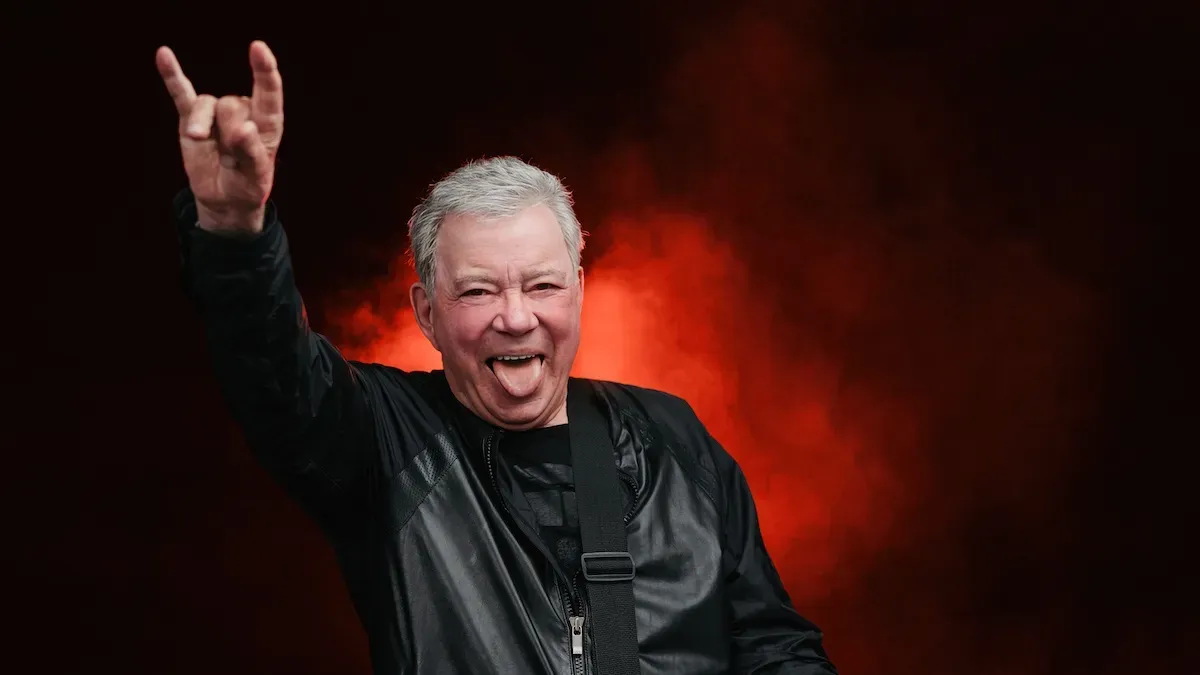
William Shatner, 95, announced he will play Riot Fest in September and revealed an outrageous rider for the Chicago festival. For decision-makers, it is a reminder that entertainment partnerships are now managed like high-stakes operations, not backstage fluff.
William Shatner is 95, but his Riot Fest rider demands are anything but elderly. After confirming he will play Riot Fest in September and specifying that he will perform on Sunday, September 8, Shatner also published a logistics-heavy wish list that includes eight pallets of Faygo, an intro video created by GWAR, and an assortment of adoptable puppies.
That rider list is the point. It is not a vague “nice to have” document. It spells out the specific inputs Shatner wants to show up on the festival grounds, the exact kind of crowd-facing content he expects, and even the animal-adjacent experience layered into the event. If you are running a festival, a production schedule, or any event with celebrity gravity, this is what modern “creative requests” look like: operationally exact, reputationally loaded, and timed to the performance.
Riot Fest is a three-day Chicago festival, and Shatner’s announcement places him inside a tight machine. Three days means teams are constantly juggling set times, stage transitions, staffing, vendor deliveries, and contingency plans. When a headliner-level figure comes in with a rider that requests eight pallets of Faygo, that is not just a novelty detail. Pallets translate into real-world constraints: storage space, receiving procedures, handling instructions, timing for setup, and waste or redistribution if things change. Even if Faygo is easy to source, the operational overhead is still operational overhead.
Then there is the GWAR intro video. Riders often include media requirements because the audience experience is synchronized, not improvised. An “intro video” is a request that implies editing specs, display compatibility, and a content delivery timeline. It also implies coordination between the festival’s production team and the creator of the asset, which in this case is GWAR. That matters because content is a schedule risk: if the video arrives late or fails tech checks, the show flow can get scrambled. In a world where live attention is fragile and audiences are impatient, a rider component tied to a known creative collaborator becomes a lever the performer can pull, and a constraint the event must absorb.
And Shatner’s rider also includes adoptable puppies. That request lands in a different kind of compliance zone than beverage pallets or stage video. Animal-related logistics typically trigger added planning around animal care, safe handling, welfare compliance, on-site supervision, and rules for the interaction between animals, crowds, and staffing. Even without citing any specific regulation in the source, the category itself is operationally sensitive, and it carries reputation risk for the festival if handled poorly. If you are a production lead or a board member approving a high-visibility event, riders like this are a signal: entertainment requests now reach into areas that resemble public-facing policy, not backstage preferences.
Zoom out, and you can see why this story is interesting to executives outside music. Event riders are essentially negotiated contracts that encode priorities. They tell you who has leverage, what the performer values, and how much certainty the event must buy to avoid show-day surprises. A list that looks “out of this world” to fans is, to operators, a set of deliverables that must be resourced. That is second-order impact: the rider shapes budget lines, staffing plans, vendor selection, risk mitigation, and rehearsal windows. It can also shape sponsor conversations, because the more the show experience extends into visible, branded, or welfare-adjacent moments, the more stakeholders will care about execution.
For decision-makers at festivals, venues, and production companies, Shatner’s Riot Fest rider is a fast case study in what celebrity partnerships mean in 2025. The performer announces, the festival confirms dates and day-of scheduling, and then the rider arrives with concrete requirements: eight pallets of Faygo, a GWAR intro video, and adoptable puppies. If you are used to treating rider items as minor logistics, this is a reminder that audience trust is built on operational precision. And if you are planning similar events, the strategic stakes are simple: under-prepare the rider, and you risk disruption. Over-prepare it, and you risk costs. The best operators thread that needle, and Shatner just turned the spotlight on how sharp that needle has to be.
This story's Key Insights and Take-aways are locked.
Create a free account to unlock Executive Actions for one credit.
Register to UnlockAlways free for Executives Club members. Join the Club
More in Entertainment
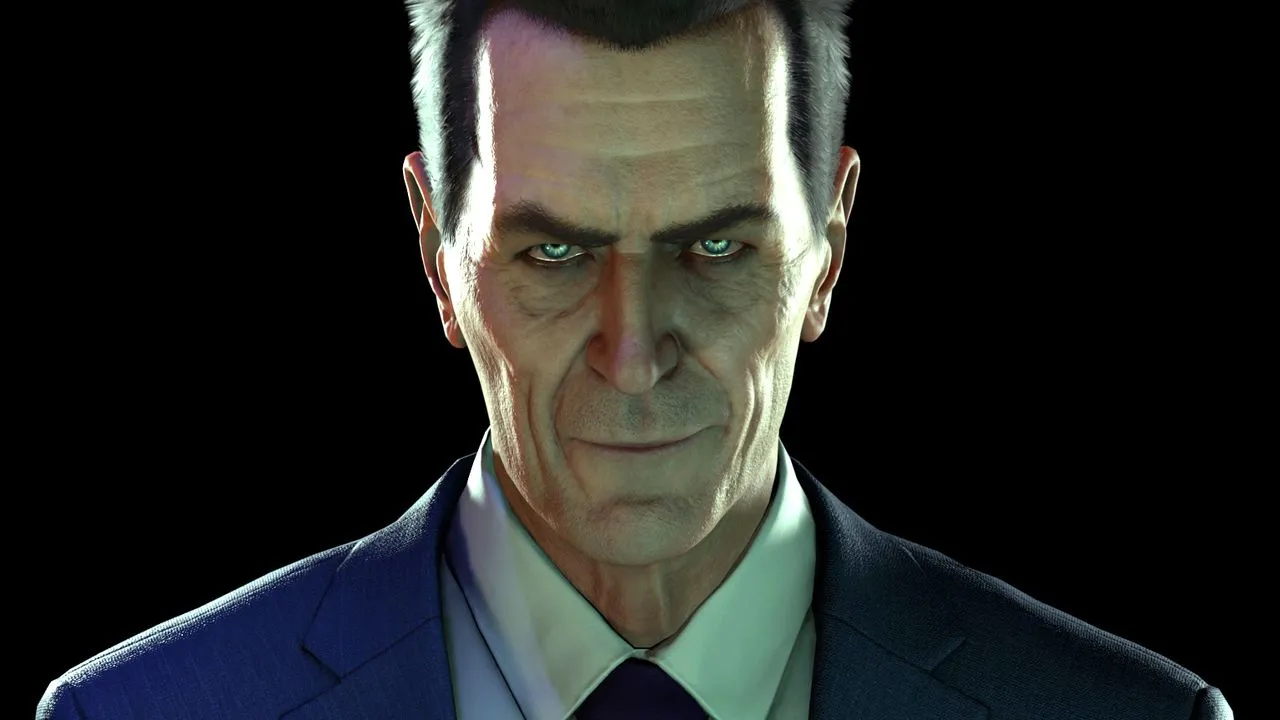
12TB Steam 'teraleak' goes beyond Valve: GTA 3, Mafia 2 prototypes exposed
A 12-terabyte dump of Steam data reveals prototypes and builds of third-party classics like GTA 3 and Mafia 2, plus unreleased Valve content, rewriting game history.

LinkedIn's romance problem: 1 in 4 workers say dating on it is fair game
A new survey shows a quarter of U.S. employees treat the professional network as fair game for romance, even as LinkedIn bans it and removes hundreds of thousands of offending posts.
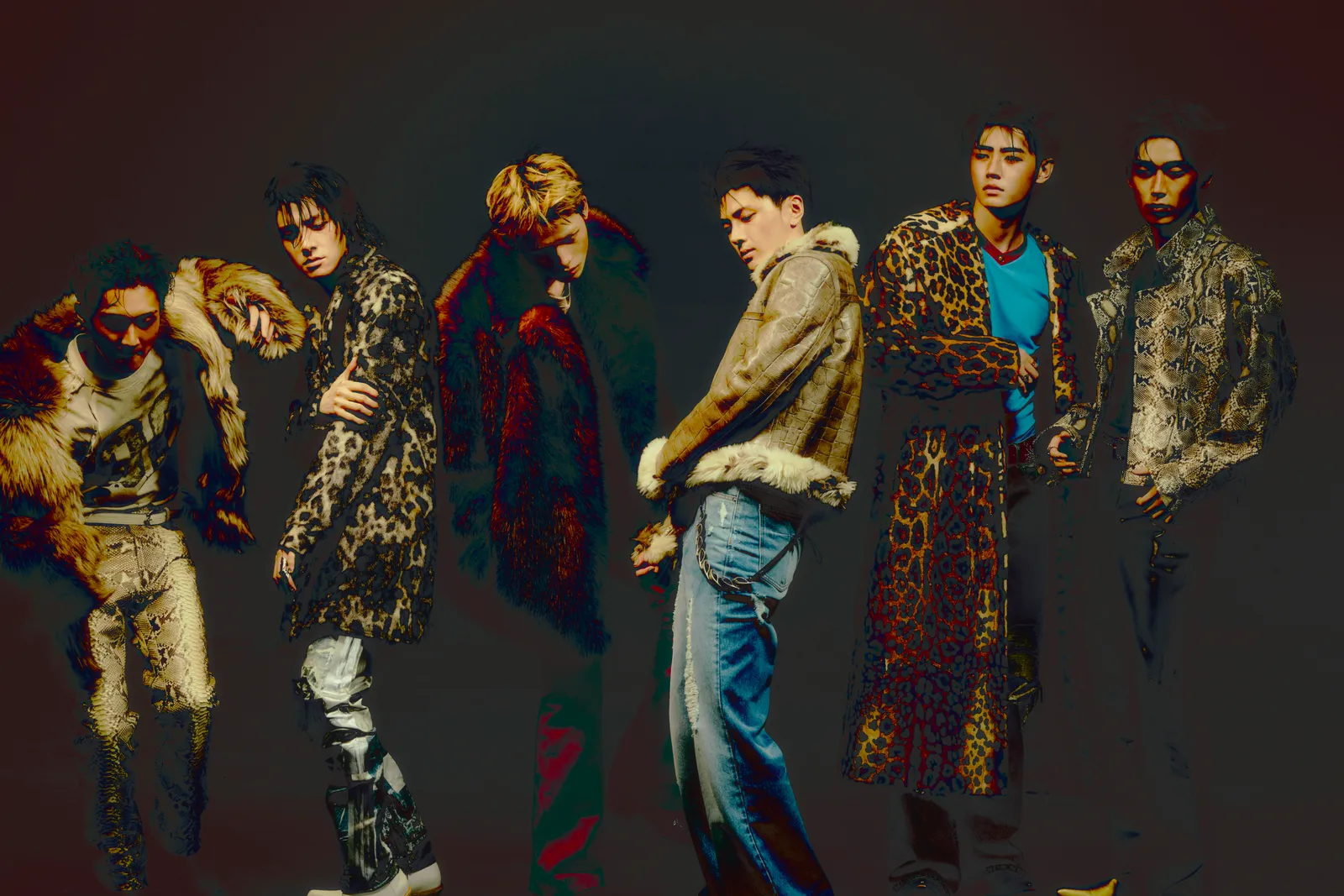
Enhypen's first No. 1 album breaks K-pop's Billboard 200 streak
The K-pop group's 98,000-unit debut tops the chart while Dolly Parton's catalog reentry shows how death reshapes streaming.