
Wireless Android Auto: The cable-free promise has a catch
Google's wireless Android Auto makes daily drives smoother, but battery drain, connection drops, and compatibility gaps can turn convenience into frustration.
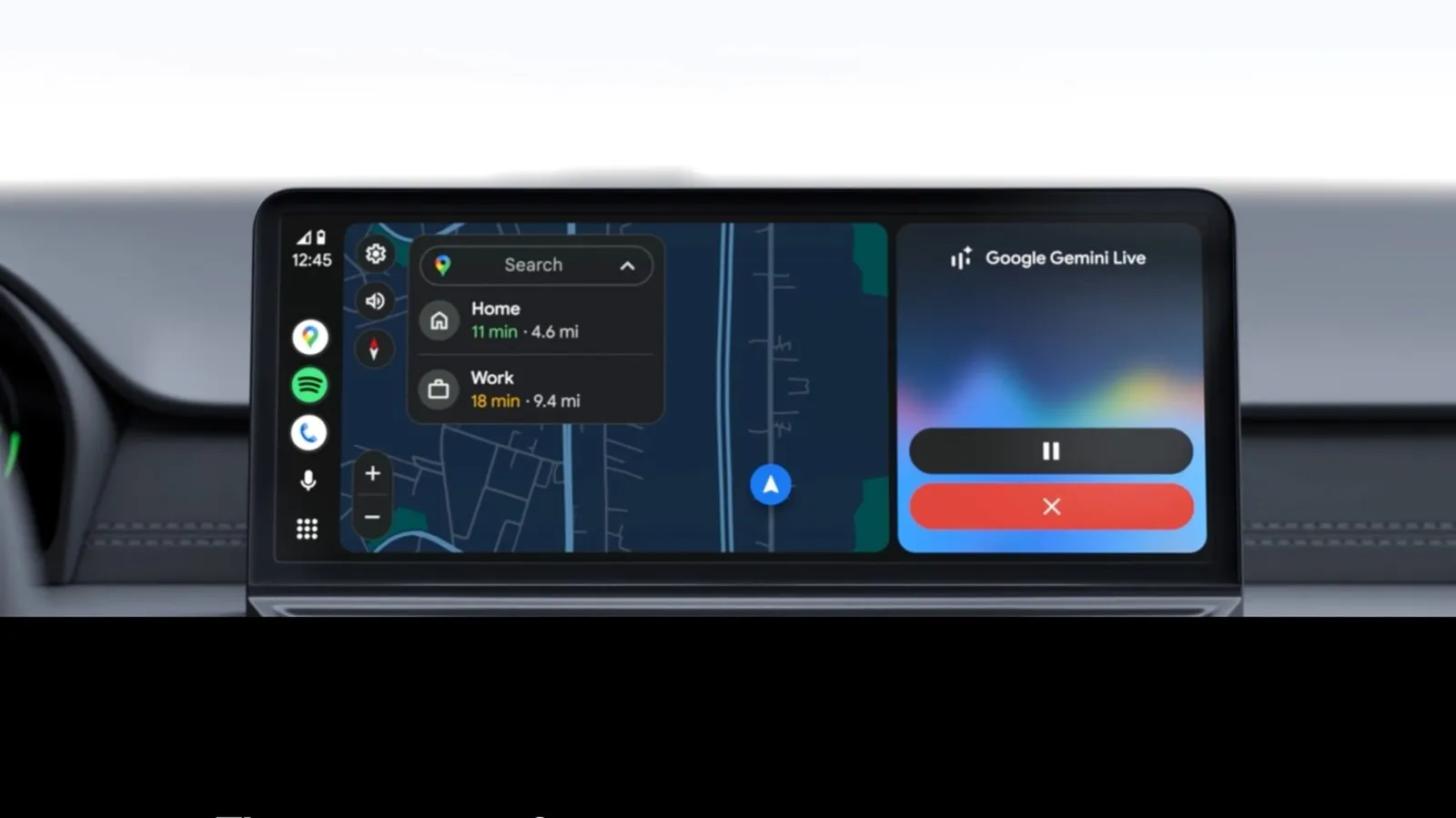
Google's wireless Android Auto delivers a cable-free driving experience, but the convenience comes with tradeoffs that can undermine the experience. For decision-makers, weighing these tradeoffs is critical when choosing vehicle tech or designing in-car connectivity.
Wireless Android Auto delivers on the promise of making your life easier most of the time, but ditching the cable can come with a number of tradeoffs. The convenience is real: you get in the car, your phone connects automatically, and your maps, music, and messages appear on the dash without a single plug. But the tradeoffs are equally real, and they tend to surface at the worst moments, like when you are on an unfamiliar route and the connection drops.
The most common friction points are battery drain, connection stability, and compatibility. Wireless Android Auto uses a Wi-Fi Direct link between your phone and the head unit, which typically consumes more power than a wired USB connection. That means your phone can lose charge during a long drive, especially if you are also running navigation and streaming audio. Connection drops are another known issue, often triggered by interference or by the phone switching between Wi-Fi and cellular networks. And not every car or head unit supports wireless Android Auto, even if it supports the wired version, so the feature is not a given. Latency can also be slightly higher over wireless, which matters for real-time apps like navigation or voice commands.
For context, wireless Android Auto was introduced in 2018 as a convenience feature, but it took years for automakers to build it into head units at scale. Today, it is increasingly standard on new models, and many drivers expect it as a baseline feature. That expectation puts pressure on automakers and aftermarket head unit makers to get the wireless experience right, because a flaky connection can sour the entire infotainment experience and, by extension, the perception of the vehicle itself. The technology has improved, but the fundamental tradeoff between convenience and reliability remains.
For fleet managers, the tradeoffs matter operationally. A driver who relies on wireless Android Auto for navigation and dispatch could face battery drain on long routes, which means vehicles may need charging solutions or a wired backup. For product managers at automakers, the lesson is that wireless convenience is not a substitute for reliability. The best approach is to offer both wired and wireless options, letting drivers choose based on their priorities. A cable is not glamorous, but it is dependable, and that dependability has real value in a work context where a dropped connection can mean a missed delivery or a rerouted driver.
The tradeoffs also create an opening for accessories and aftermarket solutions. Wireless adapters that plug into a car's USB port and add wireless Android Auto have become popular, and they carry their own quirks. Meanwhile, Apple's CarPlay has similar wireless tradeoffs, so the industry as a whole is still figuring out how to make wireless connectivity as dependable as a cable. For now, the cable remains the gold standard for reliability, and wireless is a convenience that comes with compromises. The accessory market is a direct response to that gap, and it is growing as drivers look for ways to get wireless functionality without buying a new car.
The strategic takeaway for decision-makers is straightforward. Wireless Android Auto is a feature that most users will appreciate, but it is not a flawless one. For anyone making purchasing decisions for a company fleet or a personal vehicle, the smart move is to test the wireless experience in the specific car you are considering, and to keep a cable in the glovebox as a fallback. The promise of convenience is real, but so are the tradeoffs, and the best technology choices are made with both in mind. Understanding these tradeoffs now can prevent costly mistakes later, whether you are equipping a fleet or designing the next generation of in-car software.
This story's Key Insights and Take-aways are locked.
Create a free account to unlock Executive Actions for one credit.
Register to UnlockAlways free for Executives Club members. Join the Club
More in Technology

Google quietly links your phone number to every Android account on your SIM
Adding a SIM now ties your phone number to all Google accounts - and future accounts inherit it. Here's the security and privacy stakes.

Hijacker AI 'Skynet mode' runs 100,000 attack steps against exposed models
Symantec caught a criminal AI agent that borrows other models, steals data, and mines crypto; the only relief is no confirmed victims yet.
Nvidia's AI-financier shift faces its first big test as neoclouds stumble
A rout in neocloud stocks is forcing investors to weigh Nvidia's hidden exposure as both supplier and lender to the AI buildout.