

Wolverine trailer hits 1M views, yet Sony physical-disc backlash floods comments
Insomniac’s “Ain’t No Hero” trailer lands a first look at Lady Deathstrike, but the comment section is dominated by PS5 disc anger.

Insomniac Games published a new cinematic trailer for Marvel's Wolverine, “Ain’t No Hero,” which rapidly reached more than 1 million views on YouTube and nearly 5,000 comments. The surge of attention is being hijacked by fans reacting to Sony’s plan to stop producing physical discs for PlayStation games in 2028, turning the release conversation into a trust test for decision-makers.
Insomniac Games posted a new cinematic trailer for Marvel's Wolverine yesterday, and it already topped more than 1 million views on YouTube. But the first thing many viewers hit is not the game marketing. It is the comment section, where nearly 5,000 comments since the trailer’s debut keep steering back to one grievance: Sony’s decision to cease production of physical discs for PlayStation games starting in 2028.
The trailer itself, titled “Ain’t No Hero,” is doing what studios want a cinematic to do. It gives a first look at Lady Deathstrike and teases a team-up between Logan and Sabretooth. Still, a large portion of viewers are using the video page as a pressure valve, repeatedly referencing the physical-disc timeline and, in some cases, directly reacting to the idea that Marvel’s Wolverine will be one of the last first-party physical releases. One popular comment claims, “At least I get to have a physical copy of this game.” Another response riffs on PlayStation branding, with “Play has limits,” referencing the PS5 tagline “Play Has No Limits.” And there is even a blunt call-and-response joke: “People are mad about our physical disc decision, quick, release the new Wolverine trailer!”
This is not just random negativity. The source notes that, as spotted by Eurogamer, many comments on the YouTube page both directly and indirectly reference Sony’s decision to do away with physical discs for games starting in 2028. That matters because it turns a product marketing moment into a reputational audit moment. For studios and their publishing partners, trailers typically earn attention and convert it into preorder intent. Here, attention is being converted into a debate about consumer rights, ownership, and what “support” means in an all-digital future.
The contrast is also doing work. The story points out that revisiting the “Be Greater. Together.” cinematic trailer for Marvel’s Spider-Man 2, as well as the cinematic trailer for the first Spider-Man game, shows fans had an overwhelmingly positive reaction to those videos. Wolverine, meanwhile, “hasn’t been so lucky,” at least in terms of how the audience energy is expressed publicly. From an executive perspective, that difference hints at a wider behavioral shift: when fans already believe a key promise (physical permanence, resale, tangible access) is under threat, even strong creative beats and recognizable IP do not fully drown out the prevailing narrative.
The backlash is also not confined to YouTube. The source says some fans started giving the game a hard time on X (Twitter). The examples included range from sarcasm about the “overlords” and the timeline (“We know Wolverine is on disc but its gonna be one of the last of its kind”) to a more explicit consumer-rights stance: “NO DISC? NO MONEY!” and frustration about an all-digital PlayStation, citing “lack of consumer rights / ownership and horrible PlayStation Store refund policies and security!” The underlying mechanism is consistent across platforms. Instead of discussing gameplay footage or story beats, users are using the launch conversation to pressure Sony for a reversal they do not yet have.
For Wolverine specifically, the calendar creates the psychological fuel. Marvel’s Wolverine is slated to launch as a PS5 exclusive on September 15, 2026. With disc production set to come to an end in January 2028, the release date means Insomniac’s latest superhero game will be one of the last first-party titles to get a physical release. That positions Wolverine like a timestamped artifact. And when a product is framed as “one of the last,” fans treat the release not just as entertainment but as the final chance to keep a behavior alive: buying with a disc.
This matters beyond one game because it signals how distribution strategy can become a capital-risk issue for publishers and partners. If consumers conclude that they are losing ownership, resale options, or confidence in digital policies, the backlash can follow every major marketing beat for every first-party title. The story even notes that the trend has led fans to go after the company during a brief social media break a few weeks ago. In other words, when trust is damaged by a corporate decision, the “new content cycle” stops being about content and becomes about leverage.
So what should decision-makers take from this? The data point is simple: a trailer that should be a hype engine is being used as a megaphone for the physical-disc dispute. The board-level question is harder: can a studio protect conversion when the publisher ecosystem is already generating user anger? Wolverine may still succeed on gameplay appeal and the Marvel brand, but the public narrative around its rollout is already telling a second story, one where distribution choices override product messaging. For peers watching from other platforms and regions, Sony’s 2028 timeline is not just a logistics change. It is a test of how fast consumer patience runs out when the industry shifts from tangible to intangible ownership.
This story's Key Insights and Take-aways are locked.
Create a free account to unlock Executive Actions for one credit.
Register to UnlockAlways free for Executives Club members. Join the Club
More in Business

Uber buys Delivery Hero for nearly $15B, vaulting to top food delivery outside China
The deal doubles Uber's dual-services footprint and pushes a ride-and-eats bundling play into 50 more markets.

Epic and Google drop settlement bid, forcing rival Android app stores by July 22
Google told the court it is ready to carry third-party app stores starting Wednesday, July 22.
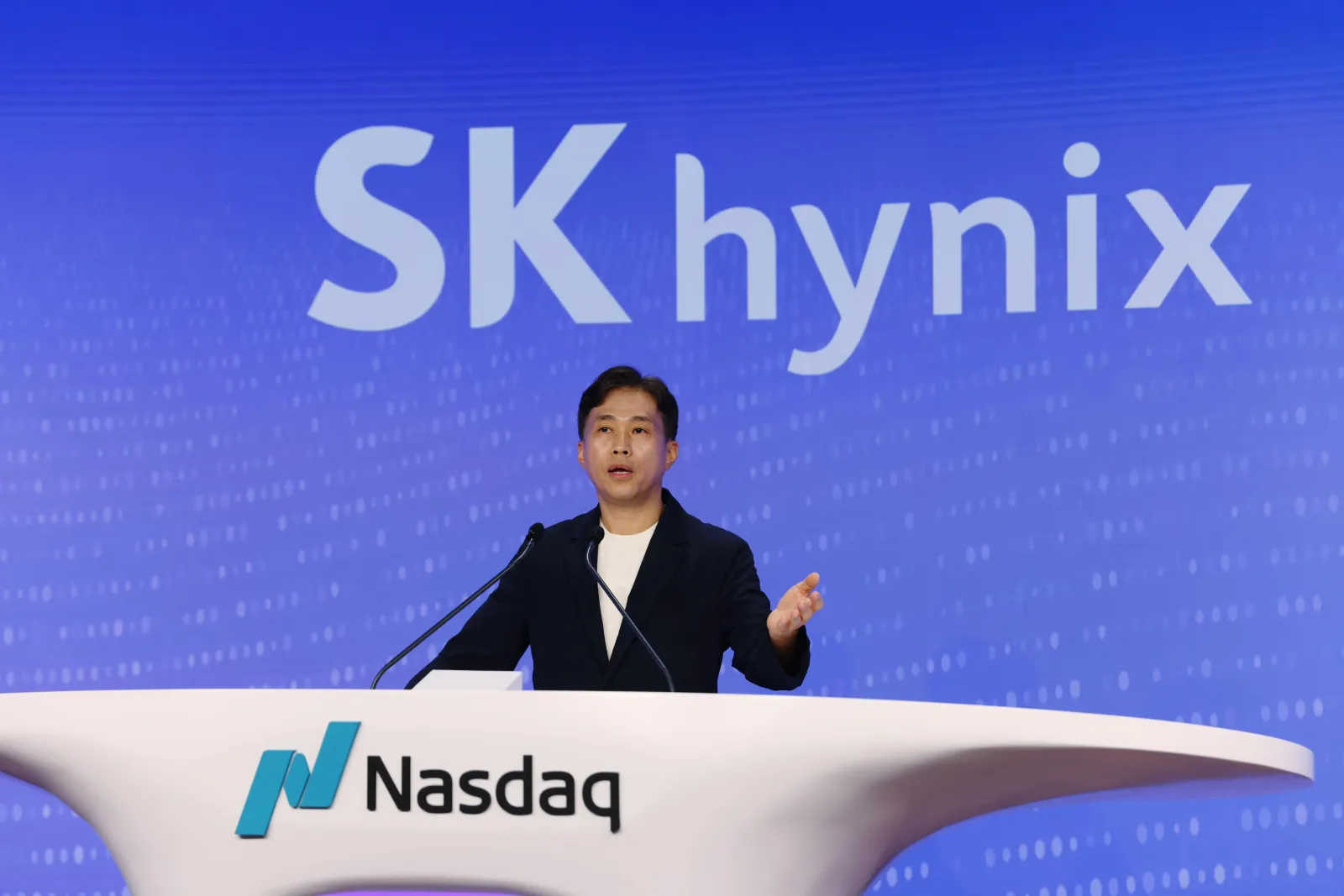
SK Hynix opens at $170, raises $26.5B, and tops foreign IPO records
In Friday's Wall Street debut, SK Hynix turns AI RAM demand into a $26.5B fundraising moment that rewrites comps.