
World Cup England vs Norway match could add £500m to UK sales, estimate says
A quarter-final weekend is expected to spike pub, takeaway, and TV spending, turning matchday hype into measurable consumer demand.
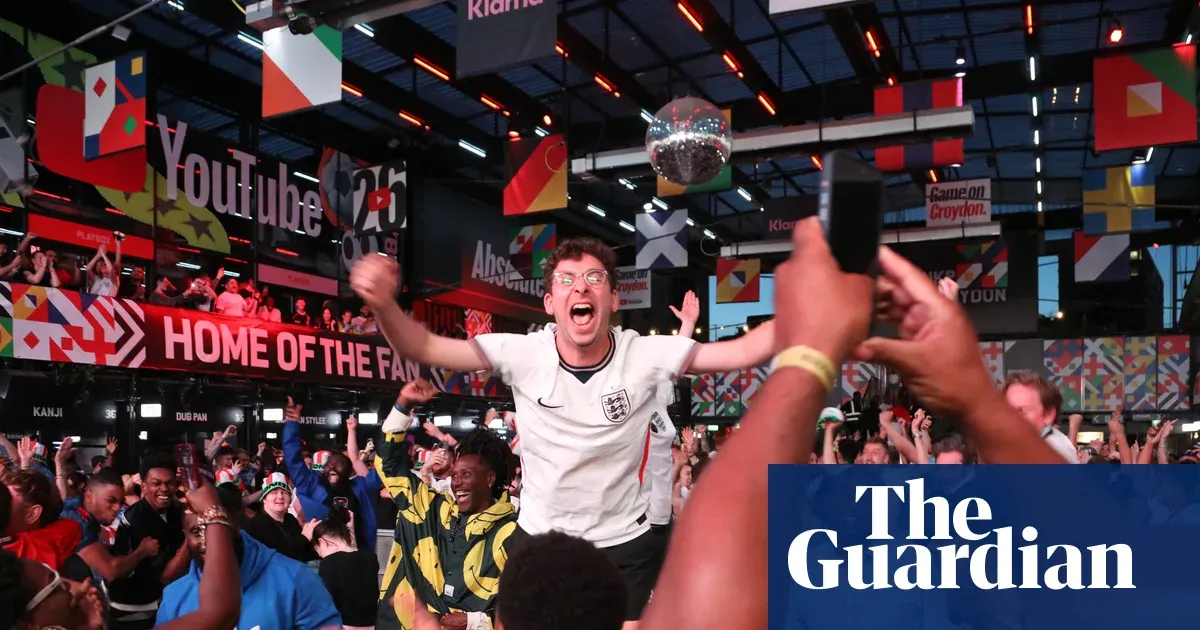
As England prepare to take on Norway on Saturday, sales of pints, takeaways, and new TVs are expected to surge for venues showing the game. The resulting UK-wide sales increase could approach half a billion pounds, shaping weekend cash flow for operators and retailers.
As England prepare to take on Norway on Saturday, the quarter-final is expected to deliver a near half-billion pound sales boost to the wider UK economy, according to one estimate. That estimate points to £500m sales increase, driven by fans buying pints, ordering takeaways, and splashing out on new TVs for matchday viewing.
The headline number is not just a feel-good football stat. It is a picture of how quickly consumer demand can concentrate into a single weekend when big matches hit. In this case, the estimate suggests fans will drink 9.3m pints, while also stacking in food orders and electronics purchases. For venue operators, caterers, and retailers, that is a real working capital story, not a trivia one.
There is also a geographic and behavioral twist to the demand. The build-up described in the coverage runs from “a cosy Norwegian pub” to outdoor fan zones packed with England fans. That matters because it shifts the usual matchday spend patterns. Traditional pub sales tend to be immediate and liquid, while takeaways require supply chain readiness and inventory discipline, and TV purchases are lumpy and often planned in advance. When all three surge at once, the winners are the operators who align staffing, purchasing, and promotions to the spike rather than simply hoping footfall covers the gaps.
This kind of concentrated weekend spending is especially important in sectors where margins can be thin and costs are fixed. A pub does not get to dial down rent because a match goes to extra time, and retailers do not get to magically restock same-day without logistics costs. A quarter-final that pulls forward consumption into one short window can create a better-than-average week for suppliers and a smoother revenue base for downstream businesses. It can also expose weak links fast, like a takeaway kitchen that cannot handle peak order volume or a store that under-forecasts TVs.
Zoom out to the broader market context and you get why executives should care even if the product is football. Major events create demand shocks: spending shifts from normal weekends to matchday categories. Those shocks can help stabilize revenue for businesses that have been dealing with volatility, but they also raise operational pressure. The second-order effect is competition for the same customer time and budget. When fans spend money on pints and takeaways, they buy less of something else. The quarter-final spend is not infinite, but it can still lift totals if it pulls in incremental consumers who might otherwise skip the viewing moment.
There is also a regulatory and policy backdrop that usually sits in the background until the crowd shows up. Hospitality and retail operations are constrained by licensing rules, safety requirements, and local regulations on public gatherings, especially when fan zones are involved. The coverage’s mention of “outdoor fan zones” signals that demand is not only happening inside licensed venues. When weather, crowd control, and permitted capacities enter the equation, planning becomes part regulation, part operations. That is where forecast accuracy and coordination with local stakeholders can turn a good estimate into a smooth reality.
If you are a board member or finance leader, the strategic stake is straightforward: treat the weekend like a mini-cycle. The estimate of £500m sales uplift and the 9.3m pints figure provide a proxy for the scale of consumer attention. Even businesses that do not show the match directly can benefit through supply chains, delivery networks, and adjacent categories that ride the same wave of “make it a match night” behavior.
Finally, for peers managing similar event-driven demand, the lesson is not that football always prints cash. It is that big cultural moments can rewire purchasing patterns quickly, and the businesses that win are the ones that operationalize the spike. When England and Norway clash on Saturday, it is not just about the scoreboard. It is about which operators are ready enough to convert hype into actual sales, and which ones are ready in time to protect margins while the spending is there.
This story's Key Insights and Take-aways are locked.
Create a free account to unlock Executive Actions for one credit.
Register to UnlockAlways free for Executives Club members. Join the Club
More in Entertainment

12TB Steam 'teraleak' goes beyond Valve: GTA 3, Mafia 2 prototypes exposed
A 12-terabyte dump of Steam data reveals prototypes and builds of third-party classics like GTA 3 and Mafia 2, plus unreleased Valve content, rewriting game history.

LinkedIn's romance problem: 1 in 4 workers say dating on it is fair game
A new survey shows a quarter of U.S. employees treat the professional network as fair game for romance, even as LinkedIn bans it and removes hundreds of thousands of offending posts.

Enhypen's first No. 1 album breaks K-pop's Billboard 200 streak
The K-pop group's 98,000-unit debut tops the chart while Dolly Parton's catalog reentry shows how death reshapes streaming.