

WoW fixes auto-loot resetting on every new alt, ending the five-minute menu hunt
Blizzard is shipping quality-of-life changes in Curse of Ula'tek, starting with auto-loot finally sticking per player.
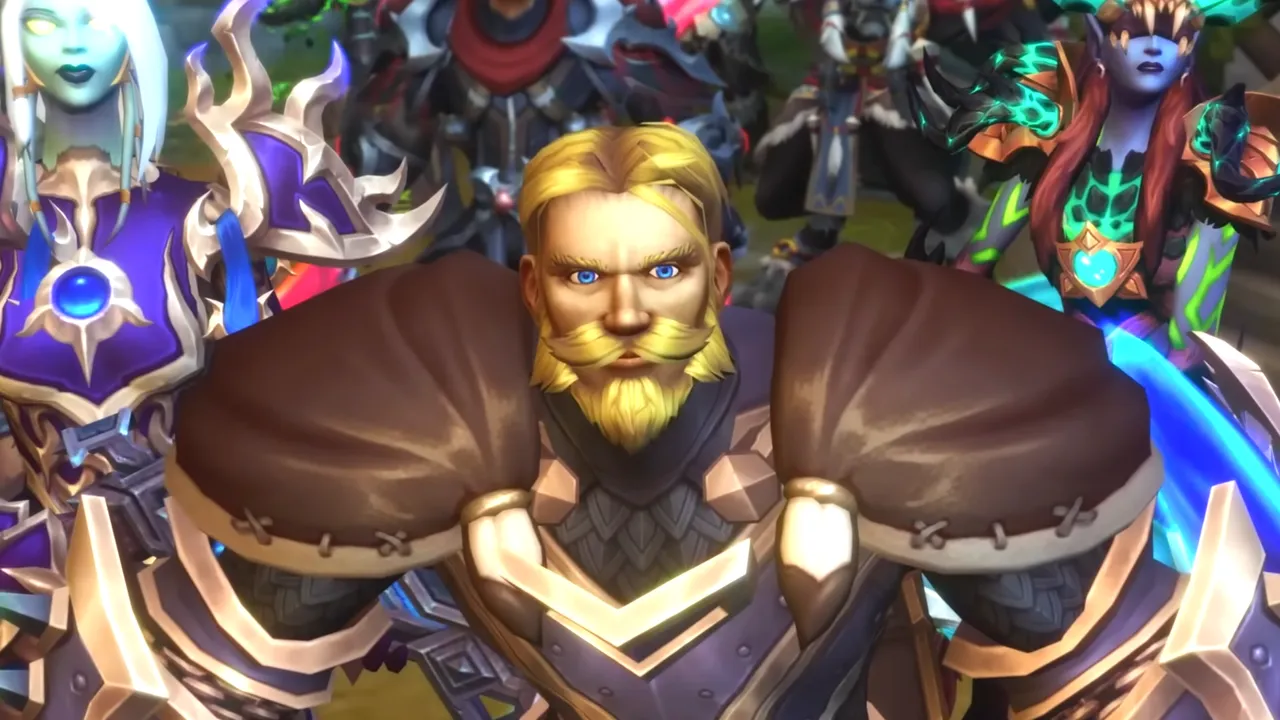
Blizzard is rolling out quality-of-life updates for World of Warcraft ahead of its first major big number patch tied to Curse of Ula'tek, including fixes for auto-looting and area looting. For decision-makers in live-service games, the big consequence is reduced churn-friction, because alt creation no longer reintroduces the same annoying settings reset loop.
World of Warcraft’s quality-of-life update for Curse of Ula'tek is not just fixing bugs, it is removing a specific piece of player friction that has probably been costing attention and time for years. The headline feature: Blizzard says its auto-loot setting “no longer resets when you make a new character.” Translation: you will not have to relive the existential horror of creating an alt, looting your first monster like it is 2007, then realizing you never enabled auto-loot again.
If you have ever struggled to find the same option in the menu twice, you know the loop. WoW has a setting to automatically loot everything from a monster with one click instead of shift-clicking. But that option was character-specific for some “arcane and unknowable reason,” meaning every new alt started without it. The experience was predictable and brutal: you loot a first monster, suspect a lag spike, remember the option is off, and then spend “five unreclaimable minutes” finding and enabling auto-loot again. Blizzard’s change removes that reset behavior going forward, directly tackling the kind of friction that quietly erodes trust in a game’s “basics.”
This patch cadence matters more than most people think. The PC Gamer piece frames it as WoW ramping up to its first major big number patch, with Curse of Ula'tek also bringing changes to how world bosses work. In live-service games, quality-of-life changes are not filler, they are retention engineering. They reduce micro-frictions that do not show up in fancy dashboards, but stack up in real player behavior: more time spent in gameplay you enjoy, less time in menus, and fewer moments where players decide the system is fighting them.
And it is not only auto-loot. Blizzard is also taking aim at area looting. The article calls out fixes to “auto-looting and area looting,” with additional quality-of-life work that includes performance upgrades to Silvermoon City, faster “Prey” hunts, EXP buffs, and reduced repair costs. That last one is described as “genuinely really important for the hardcore raiding scene,” because repair bills are one of those game-economy pressure points that can turn high-performance play into financial drain.
Curse of Ula'tek also includes a set of updates that look designed to reduce long-term account friction. Profession knowledge points can now be reset once per profession. Crafted housing decor should be cheaper. And the Voidforge will be accessible from Silvermoon City. These are not flashy features in the way new boss mechanics are, but they speak to a consistent theme: players want flexibility without punishment. A system that lets you correct a build decision once per profession is, in practice, reducing the cost of experimentation. Cheaper decor and location accessibility reduce the time and travel overhead that makes “playing around” feel like work.
There are also UI improvements. PC Gamer specifically flags being able to see map coordinates without an addon, and that is the kind of change that can sound small while still delivering outsized value. Addons exist because base UX rarely satisfies power users. When Blizzard bakes that capability into the client, it reduces the need for external tooling and makes the game feel more coherent across casual and hardcore playstyles.
Finally, Blizzard is addressing a gameplay bug that hits directly at overstaying combat states. The article quotes a fix described as “a number of recurring patterns that could cause players to become stuck in outdoor world combat far longer than expected.” Blizzard says the fix “will not address all of these situations,” but should make them “far less common” in Curse of Ula'tek. For players who rely on escape mechanics, extended combat lockouts can be more than annoying. The piece mentions the “hardcore raiding scene” angle elsewhere via reduced repair costs, and it gives an anecdotal example of why breaking out of combat quickly matters, noting how a rogue can “Vanishing” out of combat without waiting for whatever is chasing them to stop preventing mounting.
So what does all of this mean for executives and boards watching live-service games? It is a reminder that small UX resets, loot friction, and repair pressure can function like hidden taxes. When you reduce those, you remove tiny churn triggers that accumulate. Blizzard is also signaling that the team is thinking about both moment-to-moment experience (auto-loot and world combat stuck timers) and broader account strategy (profession reset, decor costs, Voidforge access). For leaders in similar environments, the strategic stake is clear: the fastest path to more engaged players is not always a new raid. Sometimes it is eliminating the menu hunt that happens every time someone creates an alt, and making sure bugs stop stealing the time players are already paying for with attention.
This story's Key Insights and Take-aways are locked.
Create a free account to unlock Executive Actions for one credit.
Register to UnlockAlways free for Executives Club members. Join the Club
More in Entertainment

Russell Brand's accuser 'bewildered and confused' as he denies 7 sex charges
The criminal case against the comedian is a live test of how media companies manage talent risk when serious allegations go public.

'It's a Magic Trick': Ballet Experts Say Rosalía's SNL Pose Is Impossible
Three ballet experts tell Rolling Stone Rosalía's gravity-defying SNL stillness shouldn't be possible - and why the debate is now part of the show.

Activision CMO: GTA 6 Will Boost Call of Duty, Not Bury It
Activision's top marketer says Rockstar's blockbuster will drive players back to consoles and into Modern Warfare 4, even as the company admits its recent strategy failed.