
Xbox is testing Disc-to-Digital, turning disc owners into transferable digital library holders
PlayStation plans to stop disc production in 2028. Xbox’s in-testing feature could keep physical collectors from getting stranded.
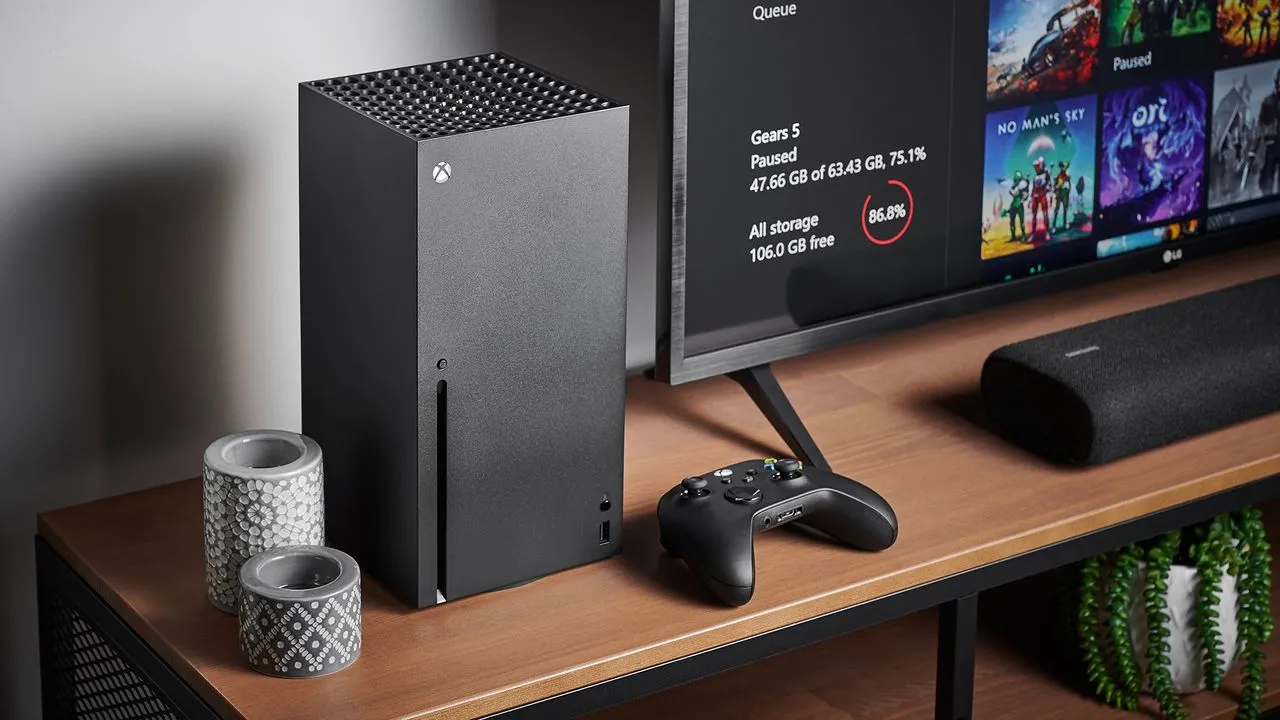
Xbox is reportedly testing a Disc2Digital feature that lets players convert compatible physical games into digital entitlements by inserting the disc into an Xbox console. For decision-makers, it signals how platform strategy may adapt as Sony phases out discs and publishers keep pushing digital-only releases.
Xbox is reportedly testing a Disc2Digital feature that turns compatible physical game ownership into a digital entitlement, and it could be built to behave like a real disc for trading and profile switching. Per The Verge, references to “enable Disc2Digital” have been found buried in the Xbox PC app’s code, and the testing is described as coming just weeks after PlayStation revealed a plan to stop producing disc-based games in 2028.
So what’s the practical promise for the people holding the discs today? If the version in testing rolls out, owners can obtain a digital entitlement by inserting the disc into an Xbox console and installing the game. The digital ownership is tied to the physical disc and is transferable from one account to another, which would mean you can trade games with friends and switch profiles “just like you would with an actual disc.” You would still need a Microsoft account to register the disc-to-digital games.
This matters because the market direction is already clear, even if the timing varies by platform. There’s no stopping the digitization of games, and publishers increasingly choose digital-only releases instead of the hybrid digital/physical launches that had been common across several console generations. PlayStation is the first of the “big three” console makers to publicly outline a plan to completely stop producing disc-based games in 2028, and Nintendo has also leaned into digital releases, including game-key cards. On the publishing side, Take-Two’s decision to make GTA 6 a digital-only release adds another datapoint that the economics and distribution habits are shifting in a hurry.
For Xbox, the strategic bet behind Disc2Digital is relatively straightforward. As discless consoles become more common, and as older hardware eventually succumbs to decay, physical games can become harder and harder to actually play on first-party systems. Even before disc production ends, players can run into real friction: changing hardware generations, storage and compatibility questions, and the simple reality that “keep discs forever” is not the same as “keep discs playable forever.” Microsoft’s reported solution, according to The Verge, is in the works for Xbox Series X and Xbox One consoles, with an important limit: it won’t be available for Xbox 360 and original Xbox games, many of which are compatible with current-gen Xbox hardware.
That limitation is worth attention for board-level and investment-minded readers because it shapes the addressable market. If Disc2Digital only applies to newer physical games supported by compatible first-party paths, the feature is less a universal rescue for the entire backlog and more a bridge for a particular layer of the ecosystem. It suggests a product and licensing boundary rather than a blanket approach to “save all discs.” And in the near term, that boundary can reduce risk and complexity for Microsoft while still offering a compelling consumer value story: preserve ownership-like behavior even as distribution changes.
The reporting also includes two conditions that affect how valuable the system is day-to-day. First, Game Pass subscribers would be able to stream their physical-to-digital games as long as those games are available on Xbox Cloud Gaming. Second, if a game is supported by Xbox’s Play Anywhere deal, physical Xbox games could be playable on PC via this new system. Those are not minor details. They connect Disc2Digital to the two major consumption lanes Microsoft is betting on, subscription streaming and cross-platform play, turning “convert a disc” into “add content to an account-centric library.”
Meanwhile, Project Helix, the rumored next-gen effort often discussed as an all-digital direction, is still unconfirmed in terms of whether it would be digital only. The source notes that it is currently unconfirmed, which is strategically important: platform transitions create uncertainty, and uncertainty makes collectors nervous. Sony’s move to ditch discs for the next generation is already a real signal that physical collecting will not remain a default feature. The Xbox testing suggests Microsoft is trying to reduce the backlash that typically follows when consumers feel like their past purchases are becoming fragile.
If you’re a founder, exec, or investor watching this as infrastructure, not entertainment, the second-order implication is bigger than one feature. Disc-to-digital is a data and ownership mechanic wrapped in a consumer-friendly interface. It preserves identity, ties entitlement to registration, and keeps transferability in the language of “actual disc behavior.” That combination is exactly what could make future discless strategies feel less like abandonment and more like evolution. The real stakes are simple: when Sony’s disc endgame meets publishers’ digital-only releases, the platforms that keep consumer trust intact will be the ones that win mindshare and churn resistance. Xbox’s reported Disc2Digital testing is Microsoft’s attempt to do that, and it’s arriving right as the calendar points toward 2028 and a world where “owning a disc” stops being synonymous with “owning access.”
This story's Key Insights and Take-aways are locked.
Create a free account to unlock Executive Actions for one credit.
Register to UnlockAlways free for Executives Club members. Join the Club
More in Technology

Nvidia's $89B data center quarter: the 9 companies cashing in
The AI buildout is minting fortunes beyond GPUs, and memory, cloud, and cooling suppliers are riding the same wave.

Google quietly links your phone number to every Android account on your SIM
Adding a SIM now ties your phone number to all Google accounts - and future accounts inherit it. Here's the security and privacy stakes.

Hijacker AI 'Skynet mode' runs 100,000 attack steps against exposed models
Symantec caught a criminal AI agent that borrows other models, steals data, and mines crypto; the only relief is no confirmed victims yet.