

Xbox opens DMs for account recovery after streamer nearly lost thousands in games and OneDrive
After uproar and a viral near-loss, Xbox says it will help users locked out, as quickly as possible.

Xbox says its support team is opening DMs to help users dealing with an account recovery issue, following a viral case involving streamer Joshua Khane. The change matters for decision-makers because it shows how fast account security outcomes can shift when public pressure forces a second look.
Xbox is telling locked-out users to reach out in DMs, “as quickly as possible,” after streamer Joshua Khane went viral for nearly losing access to his games and data. In the case that kicked off the momentum, Khane contacted Microsoft after unauthorized access to his information, and the initial response was to lock him out of his games and whatever he had on OneDrive, including family photos.
The key detail here is timing and tone. Xbox’s official support Twitter account posted a direct message to anyone who was blocked from their library: “Everyone we responded to should have a DM from us with next steps, just reply there and we’ll continue from where we left off.” Then it added: “If you're also dealing with this account recovery issue, our DMs are open, reach out and we'll help as quickly as possible.” That is a concrete operational shift, not just a sympathy statement. It also means that if you are sitting on the wrong side of account lockouts, your path to resolution may now be faster than it was last week.
Khane’s story matters because it highlights what can happen when account security decisions harden too quickly. He described being told the outcome was definitive, and that wording sounded like the change was irreversible. In his follow-up video about getting his accounts sorted out, he said he was most bothered by how Microsoft’s reply made the situation sound final. He also said it was “unfortunate” that a big company could bring back your account if you asked, and that it felt “shady” because it was not that the account could not be restored, it was that the account would not be restored if you were “a nobody.” The source does not verify his characterization of internal decision-making, but it does show why people feel the system is inconsistent when the first answer is lockout, then suddenly a recovery becomes possible after attention.
To understand why Xbox is now moving, you have to look at how Microsoft account security and consumer gaming access usually interact. Most modern game libraries tie ownership and access to a Microsoft account, and OneDrive can contain sensitive personal files. When unauthorized access is suspected, firms often take immediate protective steps to limit damage. The problem is that protective steps can quickly become customer-unfriendly if the recovery process is opaque or delayed. In other words, the same mechanism designed to stop fraud can strand the legitimate user with real losses, including irreplaceable personal data.
That is where the “viral nearly-lost” element becomes more than drama. Khane contacted Microsoft and was met with a response that locked him out. The resolution came after he posted about it publicly, driving enough uproar that the corporation “took another look” and restored his access. After that, Xbox is now dealing with others who “had the same problems but never got another look.” Xbox’s message suggests the support team is treating this as a backlog and is asking affected users to come through DM so it can continue “from where we left off” with next steps.
For decision-makers, this is a live case study in the gap between policy and perception. Even if a company can restore accounts, customers will experience the first response as final if the communication implies irreversibility. That mismatch creates a reputational flywheel: users share screenshots and phrasing, the story spreads, and then internal teams adjust. Public pressure can act like an informal escalation ladder, bypassing the normal queue that frustrated users face.
There is also a broader implication for platforms and boards: account recovery is not just customer support, it is brand risk management. If account access is core to retention, then the recovery experience becomes part of the product promise. When that promise fails, it can also trigger secondary consequences like social media scrutiny, customer churn, and regulatory attention depending on the facts of the incident. The source does not mention regulators directly, so it would be irresponsible to claim any specific enforcement. But the pattern is familiar: when security and customer experience collide, expectations rise, and companies get pushed to document and operationalize fairer pathways to remediation.
Finally, Xbox’s message ends with speed as the promise: it will “help as quickly as possible.” That line is doing heavy work. Speed reduces time spent locked out, and time locked out is where costs compound. Purchases become inaccessible, progress becomes fragile, and personal files become emotional risk. If you run a platform with identity-linked entitlements, this is the operational lesson peers should take: when a recovery process looks irreversible, people will assume it is. When public attention forces a second look, those assumptions get corrected, but only after damage is done. Xbox’s DM push is an attempt to shrink that gap before the next story goes viral.
And yes, the source’s own implication is that there could be “a substantial queue” in Xbox’s inboxes. That queue will be a stress test of support capacity, triage quality, and how quickly affected users can get clarity on what happens next.
This story's Key Insights and Take-aways are locked.
Create a free account to unlock Executive Actions for one credit.
Register to UnlockAlways free for Executives Club members. Join the Club
More in Business

Uber buys Delivery Hero for nearly $15B, vaulting to top food delivery outside China
The deal doubles Uber's dual-services footprint and pushes a ride-and-eats bundling play into 50 more markets.

Epic and Google drop settlement bid, forcing rival Android app stores by July 22
Google told the court it is ready to carry third-party app stores starting Wednesday, July 22.
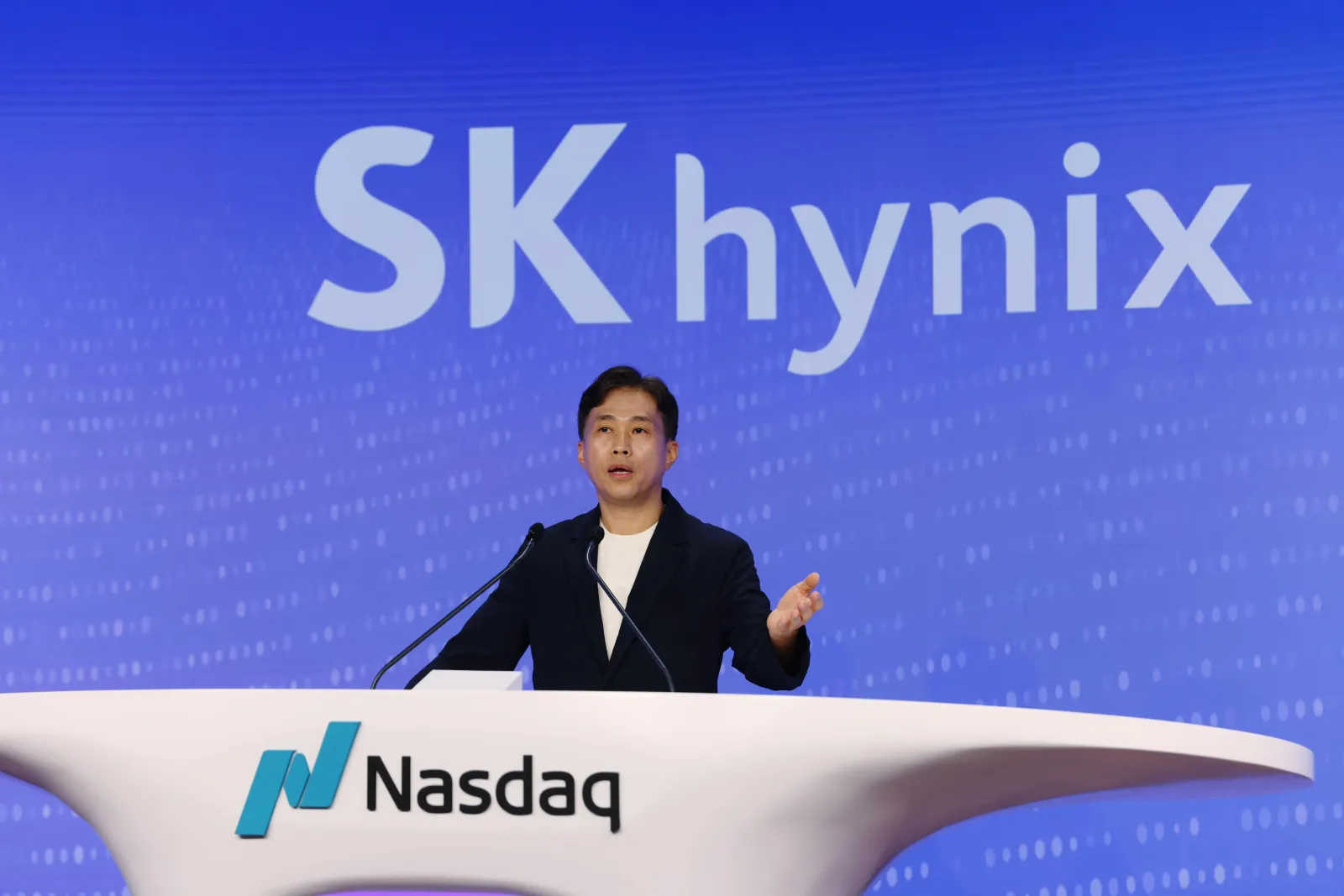
SK Hynix opens at $170, raises $26.5B, and tops foreign IPO records
In Friday's Wall Street debut, SK Hynix turns AI RAM demand into a $26.5B fundraising moment that rewrites comps.