
Xbox says exclusivity gets decided case by case, as two big games flip off PS5
Gears of War E-Day and Clockwork Revolution are no longer headed to PlayStation 5, and Xbox calls it a flexible rule.
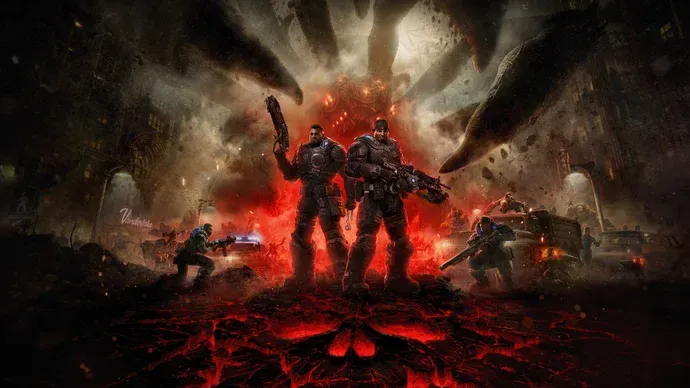
Xbox used its summer showcase to confirm that console exclusivity will be decided on a case by case basis. It also said Gears of War E-Day will not release on PS5, and neither will inXile's Clockwork Revolution.
Xbox opened its summer showcase by walking back PS5 expectations in real time, and then laid down a principle that tells the market how future decisions will be made. Gears of War E-day will not, after all, be releasing on PlayStation 5. The same is true for inXile's Clockwork Revolution.
Those reversals matter because they are not being framed as exceptions. Xbox also confirmed that console exclusivity will be decided on a "case by case basis," meaning the company is signaling that plans can change depending on the specific project, partner context, and commercial calculus.
If you are a decision-maker at a game publisher, that single phrase is a governance memo in disguise. Exclusivity used to be sold as a clean, repeatable strategy: commit to a platform, drive adoption, and protect a pipeline. “Case by case” is messier. It implies that Xbox will weigh each game’s circumstances separately, instead of treating exclusivity as a blanket product decision. That matters for planning cycles, marketing budgets, and partnership negotiations, because stakeholders now have to assume that any given announcement is conditional until it is locked.
It also changes how you read competitors’ moves. When Xbox removes two titles from PS5 in the same showcase, it is less about surprising gamers and more about controlling narrative and distribution. Exclusive releases are one of the few levers publishers can pull that directly shifts hardware demand and customer acquisition. By pairing the removals with a rule-of-thumb for future exclusivity decisions, Xbox is telling other publishers and platform holders to expect volatility, not stability. In practical terms, that can affect how bargaining power is distributed in future co-marketing deals.
There is also a regulatory and policy backdrop that executives in this space cannot ignore. Console exclusivity has long sat at the intersection of consumer choice, market competition, and antitrust scrutiny worldwide. Even when regulators are not directly targeting a specific game, they track patterns. When a company’s messaging becomes “case by case,” it can be interpreted in two ways by regulators and watchdogs: either as evidence that exclusivity is justified per project, or as a sign that exclusivity decisions remain strategic and expandable. Either way, boards should assume that exclusivity decisions get more attention when they appear frequently and impact multiple major releases.
Now connect the dots for investors and operators. If Xbox is willing to withhold or remove releases from a competitor’s platform, that implies the company believes the incremental value of exclusivity is high enough to outweigh the potential upside of broader distribution. That belief can cascade into internal resource allocation. Studios and production teams feel those incentives directly because platform promises influence funding, timelines, and go-to-market planning. From a portfolio perspective, it also suggests Xbox is actively curating its branded lineup rather than treating cross-platform reach as a universal objective.
For Sony, platform leadership teams and business development groups will also treat this as a warning shot. When Xbox can confirm, within a showcase cadence, that Gears of War E-day will not land on PS5 and that Clockwork Revolution will not either, the implication is that Sony’s relationship with multiplatform publishers could remain fragile. That does not mean every Xbox-linked title will vanish from PlayStation. But it does mean Sony should plan for a world where commitments are revisited, not assumed.
The strategic stakes are simple. If you are a CEO, CFO, or board member overseeing a publisher, exclusivity is not a one-time checkbox anymore. Xbox is publicly telling the market that exclusivity decisions will be made per project. And right at the start of its summer showcase, it gave proof with two prominent cancellations for PS5: Gears of War E-day and inXile's Clockwork Revolution. For everyone else in the ecosystem, the lesson is clear: treat platform commitments as dynamic until confirmed, and budget like flexibility is the real strategy.
This story's Key Insights and Take-aways are locked.
Create a free account to unlock Executive Actions for one credit.
Register to UnlockAlways free for Executives Club members. Join the Club
More in Entertainment

Entertainer Russell Brand denies 7 sex charges amid accuser's 'couldn't breathe' claim
The alleged victim's account sharpens the reputational and legal stakes for Brand, his platforms, and any business tied to a public figure under criminal scrutiny.

Russell Brand's accuser 'bewildered and confused' as he denies 7 sex charges
The criminal case against the comedian is a live test of how media companies manage talent risk when serious allegations go public.

'It's a Magic Trick': Ballet Experts Say Rosalía's SNL Pose Is Impossible
Three ballet experts tell Rolling Stone Rosalía's gravity-defying SNL stillness shouldn't be possible - and why the debate is now part of the show.