
Xbox Showcase 2026 quietly turned Vivarium into the summer coziest must-wishlist game
Vivarium is the anti-gun counterprogramming Xbox accidentally delivered, and it matters for studios betting on the cozy economy.
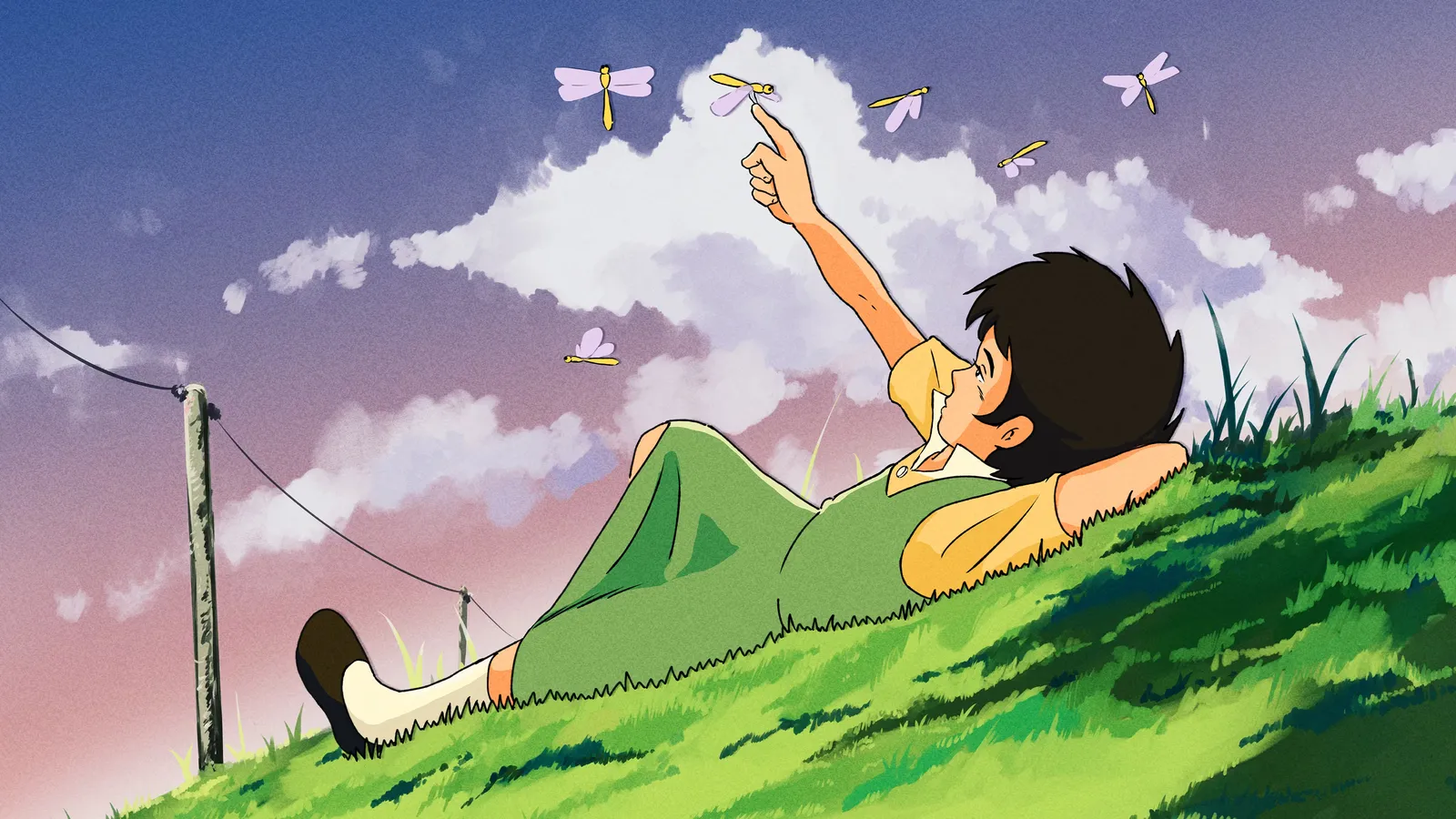
Xbox Games Showcase 2026 prominently featured Vivarium, a life-sim aiming straight at fans of cozy games like Studio Ghibli and Stardew Valley. For decision-makers, it is a signal that the next big engagement wave may come from “cozy” audiences, not just combat.
Xbox Games Showcase 2026 arrived with all the usual noise. According to Polygon, the show was “bursting with bullet shells,” with so many gun trailers that after about 30 minutes it started to feel like roughly 75% of the upcoming slate involved shooting somebody in the head. That matters because game showcases are not just entertainment. They are market positioning in real time. When one genre dominates the feed, everything else you are trying to sell has to earn attention twice.
Then came the pivot: Vivarium. Polygon frames it as the biggest cozy life sim reveal of Summer Game Fest and the 2026 Xbox Showcase, specifically calling it out as the standout moment anime fans (and, by extension, people who like warm, story-forward worlds) need to wishlist. The hook here is simple, and the consequence is not. If your audience has been trained to expect combat trailers, a cozy reveal is a deliberate act of contrast. It says Xbox is not only competing on graphics and spectacle. It is also competing on mood, routines, and the kind of play that brings players back when they want to decompress, not reload.
Let’s talk about why this is a big deal for executives, even if you never personally touch a life sim. The “cozy economy” in games is powered by repeat engagement, not one-off adrenaline. Cozy life sims tend to reward long sessions of small actions, progression loops that feel safe, and worlds people emotionally attach to. That is exactly why Polygon connects the dots to Studio Ghibli and Stardew Valley fans. Ghibli-like atmospheres and Stardew-style comfort both trade on imagination, character, and calm. If Vivarium hits that tone, it is effectively buying demand from a ready-made audience segment that does not want to be marketed through violence.
Now consider the incentive structure. A showcase is a pressure cooker for publishers and studios. Teams are judged on what grabs attention fast, converts interest into wishlists, and clarifies what the product “is” in the first minute. When your event is saturated with first-person shooters, any non-shooter reveal has to overcome the default assumption that you are only showing one kind of future. Polygon’s observation that the gun content felt like about 75% of the slate makes the contrast sharper. Vivarium did not just appear. It arrived as a corrective, a tone shift that breaks the scroll inside the same event.
There is also a broader regulatory context executives can’t ignore, even in entertainment. Polygon’s body opens with a note about America’s “gun-saturated culture” and the gory joys of a first-person shooter not “souring” after 30 minutes. That is not a policy argument, but it gestures at the reputational and cultural risk companies manage in the real world. If regulators, platform policies, or public sentiment tighten around violence depiction and accessibility, publishers benefit from having diversified genre pipelines. A game like Vivarium is not a workaround for regulation, but genre diversity is a hedge. It gives the company more options for reaching audiences who may care less about spectacle and more about content that feels welcoming and low-friction.
Second-order implications: wishlists are a measurable early indicator, and they behave differently for different audiences. Cozy game buyers are often meticulous. They check vibes, themes, and whether the experience will be relaxing rather than chaotic. That means Vivarium’s success could be less about viral combat clips and more about word-of-mouth from communities that already discuss tone and aesthetic, including anime-adjacent fanbases. Polygon explicitly says Studio Ghibli and Stardew Valley fans need to wishlist Vivarium, which is basically telling you who the conversion funnel is aimed at.
For peers in similar roles, the strategic stakes are clear. If Xbox can pull a meaningful cozy life sim reveal to the front of a showcase that otherwise reads like a shooting gallery, that suggests budgets and attention are not exclusively flowing to combat. It also suggests that “cozy” is not niche in the boardroom. It is a category with conversion potential and a distinct audience identity. In a market where big reveals compete for the same slice of attention, Vivarium functions as a reminder that calm, routine, and emotionally resonant worlds are still competitive product decisions, not just indie side quests.
This story's Key Insights and Take-aways are locked.
Create a free account to unlock Executive Actions for one credit.
Register to UnlockAlways free for Executives Club members. Join the Club
More in Entertainment

Entertainer Russell Brand denies 7 sex charges amid accuser's 'couldn't breathe' claim
The alleged victim's account sharpens the reputational and legal stakes for Brand, his platforms, and any business tied to a public figure under criminal scrutiny.

Russell Brand's accuser 'bewildered and confused' as he denies 7 sex charges
The criminal case against the comedian is a live test of how media companies manage talent risk when serious allegations go public.

'It's a Magic Trick': Ballet Experts Say Rosalía's SNL Pose Is Impossible
Three ballet experts tell Rolling Stone Rosalía's gravity-defying SNL stillness shouldn't be possible - and why the debate is now part of the show.