

Xi Jinping ties “strong military” to party control in 105th anniversary speech
The message is clear: tighter political command plus renewed anti-corruption will reshape how China’s military leadership operates.
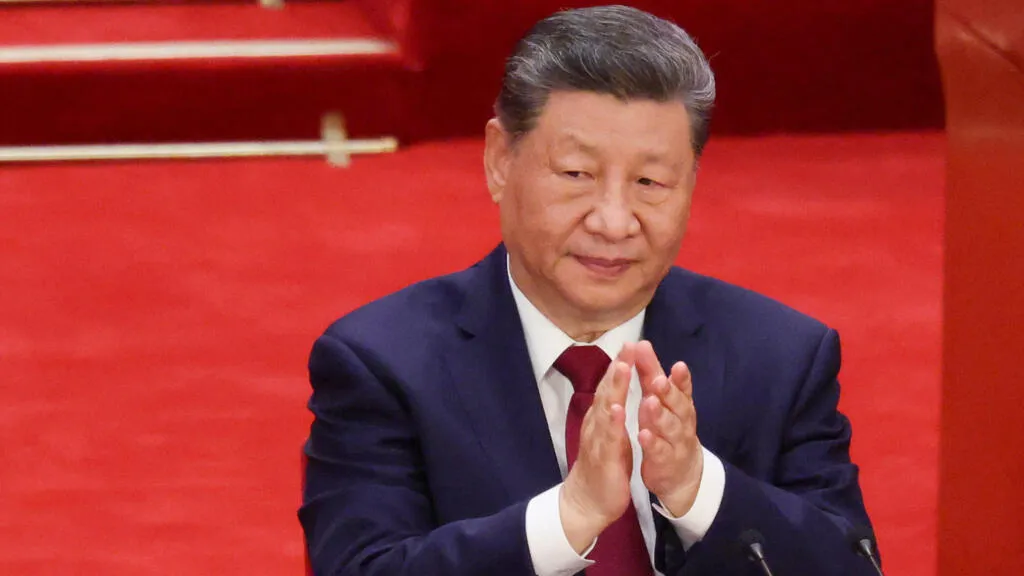
President Xi Jinping used a Wednesday speech marking the 105th anniversary of the Chinese Communist Party to stress the need for a “strong military” and to say the armed forces must follow “the party's absolute leadership.” He also highlighted fighting corruption as a priority after a recent anti-graft purge hit the military’s top ranks.
President Xi Jinping used a speech on Wednesday marking the 105th anniversary of the Chinese Communist Party to make two linked promises that will echo far beyond ceremonial politics. First: he stressed the importance of a “strong military” and said the armed forces must “uphold the party's absolute leadership.” Second: he put fighting corruption back at the center of the agenda, after a recent anti-graft purge gutted the military's top ranks.
For executives and investors, the interesting part is not the anniversary itself. It is the explicit wiring of priorities: military strength plus stricter political control plus renewed anti-corruption enforcement. When a head of state publicly connects these themes in one speech, it signals that internal discipline is not a side project, it is a core operating principle. In other words, the people running the system do not just need to deliver capability. They also need to survive the leadership test, and that test has teeth.
To understand why this matters, you have to remember how control works in China’s political-military structure. The phrase “party's absolute leadership” is not casual language. It frames the armed forces as an instrument under direct political command, which makes loyalty and compliance a prerequisite for advancement, not just professionalism. Xi’s public reinforcement of that idea suggests continued emphasis on political alignment as a performance metric. That can shape decision-making across procurement, promotion, and internal risk-taking, because the incentives tilt toward what the leadership wants to see, not what minimizes technical risk alone.
Then there is the corruption piece, which Xi treated as a priority after a “recent anti-graft purge” that “gutted the military's top ranks.” In many systems, anti-corruption efforts can be episodic. Here, Xi’s framing implies an ongoing campaign. When purge-level enforcement hits top leadership, it does more than remove individuals. It changes behavior across the org chart. Subordinates learn that informal networks, discretionary spending channels, and quiet toleration of irregular practices become survival threats. That can slow some processes, but it often increases documentation, compliance checks, and oversight intensity, because people prefer predictable rules over gray areas.
There are second-order implications for any business leaders watching China’s state-linked sectors, especially those adjacent to defense supply chains or broader government procurement. Even if today’s story is political, procurement ecosystems rarely stay untouched when leadership priorities shift. Renewed anti-graft pressure can lead to tighter vendor scrutiny, more conservative contracting behavior, and a stronger preference for partners who can withstand compliance audits. Companies that relied on relationship-driven access may find themselves having to compete more on process, transparency, and evidence, not just speed or connections. In practical terms, boards should expect internal and external stakeholders to demand more controls, more reporting, and clearer ownership of risk.
The strategic stakes are also about talent and institutional memory. When a purge removes top ranks, organizations do not simply refill seats. They rebuild. That can mean reshuffling command structures, recalibrating internal authority, and rethinking how initiatives are approved and executed. In the short term, that often produces friction, because new leaders carry different risk preferences and different interpretations of what “uphold” looks like in daily life. In the longer term, it can harden the organization into something more centralized and politically aligned, which may support consistency in execution. But it may also narrow the range of acceptable approaches, because room for deviation shrinks when political loyalty and anti-corruption compliance are visibly enforced.
For executives in adjacent industries, this is a reminder that political messaging can function like an operational directive. A speech marking the 105th anniversary of the Chinese Communist Party is a high-visibility platform. When Xi uses that stage to emphasize “strong military” paired with “party's absolute leadership,” and then explicitly elevates anti-corruption after a purge that gutted the military’s top ranks, it communicates that the state expects a coordinated transformation: capability building on one axis, legitimacy and discipline on another, and enforcement pressure to keep both axes in line.
In that context, peers managing China exposure, suppliers, or state-facing operations should treat this as more than headline noise. It is a signal about how command decisions are likely to prioritize political reliability and compliance. The consequence is straightforward: organizations that can align quickly with stricter oversight and documentation demands will face less disruption. Those that cannot may see more friction, longer approvals, and higher scrutiny. And for leadership teams everywhere tracking national security dynamics, the message from Xi is consistent: the path to military strength runs through party control, and corruption risk is not just a legal issue, it is a political one.
This story's Key Insights and Take-aways are locked.
Create a free account to unlock Executive Actions for one credit.
Register to UnlockAlways free for Executives Club members. Join the Club
More in Politics

Glacial collapse, not rain, killed 180 in Nepal's Himalayan flood
The Himalaya's extreme geography hid the true cause of Nepal's catastrophic flood, a glacial collapse that turned a geological battleground into a mass-casualty zone.
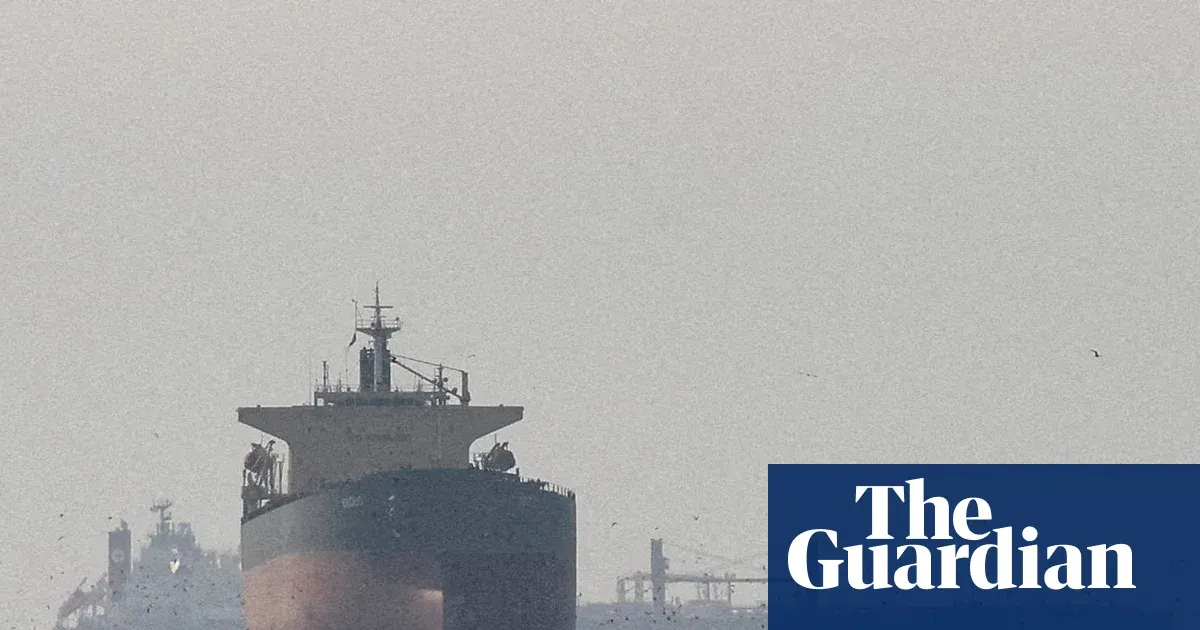
Iran’s Esmail Baghaei says Oman talks start shipping via Hormuz, not US talks yet
Temporary route plans with Oman aim to restart commerce while Tehran says Washington dialogue is not on the table.
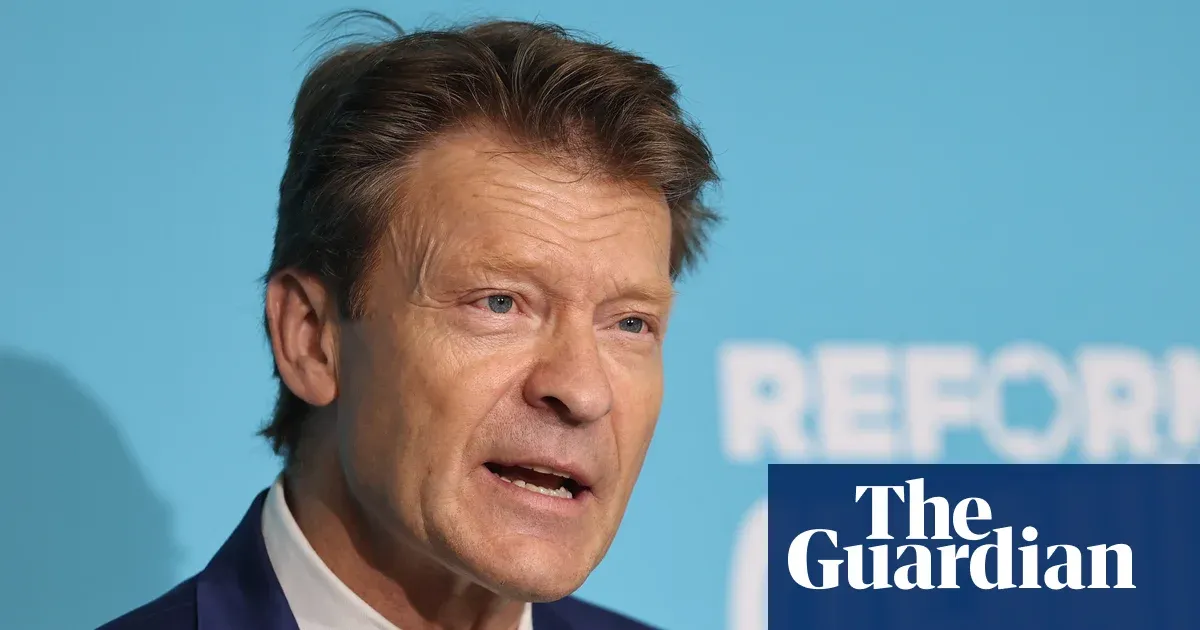
Standards watchdog opens probe into Reform UK deputy leader Richard Tice over interests
The parliamentary standards commissioner says it began an investigation on 28 July into a possible undeclared interest.