

Yeasound RIC800 nails audio tech, but the companion app glitches when it counts
AI noise reduction and speech focus work well, yet the app falls short, turning “smart” into frustrating.
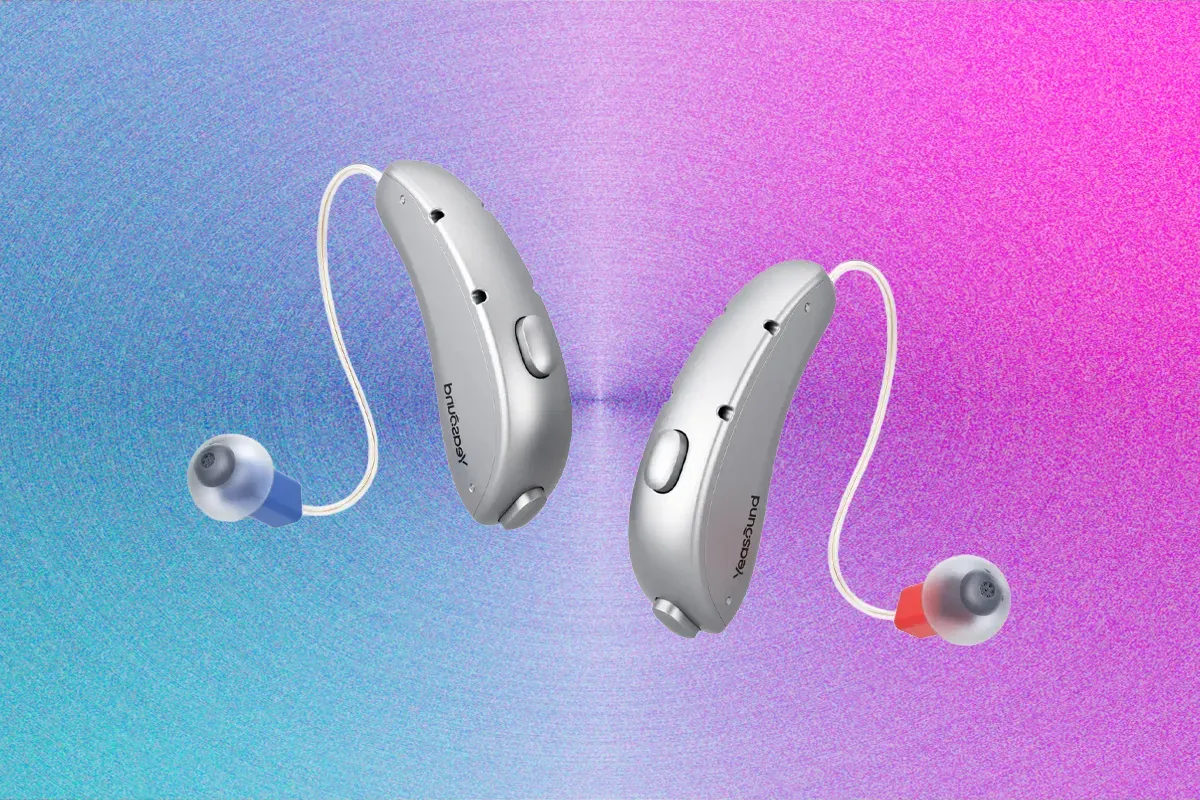
Yeasound’s RIC800 hearing aids add AI-powered noise reduction, automatic speech focusing, and a simple hearing test. For decision-makers evaluating connected health devices, the payoff is mixed: the hardware performs, but the app experience may undermine user trust and retention.
Yeasound RIC800 hearing aids deliver the part most people can hear instantly: good audio. The devices bring AI-powered noise reduction, an automatic speech-focusing system, and a simple, effective hearing test. That sounds like a complete product story, and in the basics, it mostly is.
But WIRED flags the real downside right where modern hearing aids now live or die: the app. The aids can be smart on-device, yet the companion software is glitchy, and the review calls out “a shame” that the app is not better. Translation for operators and investors: even when the audio experience hits, a weak app can sour the overall outcome, because it is the interface for setup, day-to-day adjustments, and confidence.
To understand why this matters beyond one product, zoom out to how hearing aids are adopted. In many markets, the product is not just an electronics purchase. It is behavior change. A user has to put the device in, keep it in, learn what it sounds like, and adjust to it over time. That means the first week and the first few tweaks are everything. AI noise reduction and speech focusing are intended to reduce the cognitive and acoustic burden of hearing in noisy places. When those features work, the user gets a tangible “why this exists” moment. But if the app that supports configuration, customization, or monitoring is unreliable, the benefit can get trapped behind friction.
There is also a product management lesson here: hearing aids and companion apps are tightly coupled experiences, even if one is technically “the main device.” The RIC800’s strengths are clearly feature-level, including AI noise reduction and a speech-focused system. The hearing test is described as simple and effective. That implies the company designed core onboarding to be low-effort and quick. In connected health, that onboarding is where churn starts or stops. Users decide early whether the product feels trustworthy and controllable.
Then comes the app layer, where WIRED says the experience is glitchy. In practice, “glitchy” can mean anything from delays and misalignment to repeated problems that interrupt a user mid-adjustment. Even without enumerating the exact failures, the review’s conclusion is direct: it is a shame the aids do not come with a better app. That line is doing heavy lifting. It is not complaining about a minor UI annoyance. It is saying the software is an Achilles heel for a product that otherwise gets the essentials right.
For boards and leadership teams evaluating consumer health tech, this is a familiar tension. The fastest path to differentiation is often the on-device signal processing, where you can advertise AI and measurable audio improvements. The next path to durable success is usually the orchestration layer: the mobile app, the workflow, the update strategy, and the reliability of day-to-day control. You can ship strong hardware and still lose the business if the app makes users feel like they are fighting the product instead of using it.
There is also a regulatory-adjacent reality worth noting. Hearing aids operate in a space where safety, performance claims, and clinical framing are sensitive. While this review does not discuss regulators directly, the general constraint is that the hardware must perform and claims must hold up. That often pushes teams to validate the audio and testing experience. Meanwhile, app reliability can look like “just software,” but it becomes part of the user journey that makes the performance real. A hearing test that works is valuable, yet if subsequent steps rely on an unreliable app, the value can get diluted. Second-order effect: the company may face higher customer support loads, more complaints around usability, and more returns or reduced usage, even if the core device performance is strong.
Finally, consider the competitive implication for peers. The hearing aid market is moving toward “smart” features: AI noise reduction, speech focus, and automated workflows. Many products will claim similar capabilities. When WIRED says the RIC800 has good audio and highlights the glitchy app as the missing piece, it sets a clear differentiation rule: feature checklists are not enough. The connected experience must be stable enough that users trust the device will be there when they need it.
So the stakes for executives are straightforward. If you are backing hardware that relies on a companion app, the app is not a side project. It is part of the product outcome. Yeasound’s RIC800 shows how close a good experience can be to a frustrating one, and it is a reminder that in consumer health, reliability is not optional. It is the bridge between “works in the lab” and “works in daily life.”
This story's Key Insights and Take-aways are locked.
Create a free account to unlock Executive Actions for one credit.
Register to UnlockAlways free for Executives Club members. Join the Club
More in Technology

Nvidia's $89B data center quarter: the 9 companies cashing in
The AI buildout is minting fortunes beyond GPUs, and memory, cloud, and cooling suppliers are riding the same wave.

Google quietly links your phone number to every Android account on your SIM
Adding a SIM now ties your phone number to all Google accounts - and future accounts inherit it. Here's the security and privacy stakes.

Hijacker AI 'Skynet mode' runs 100,000 attack steps against exposed models
Symantec caught a criminal AI agent that borrows other models, steals data, and mines crypto; the only relief is no confirmed victims yet.