
Yum Brands sells Pizza Hut to LongRange Capital and Yum China for $2.7B
After years of Pizza Hut struggles, Yum exits with a $2.7 billion sale, reshaping priorities across its portfolio.
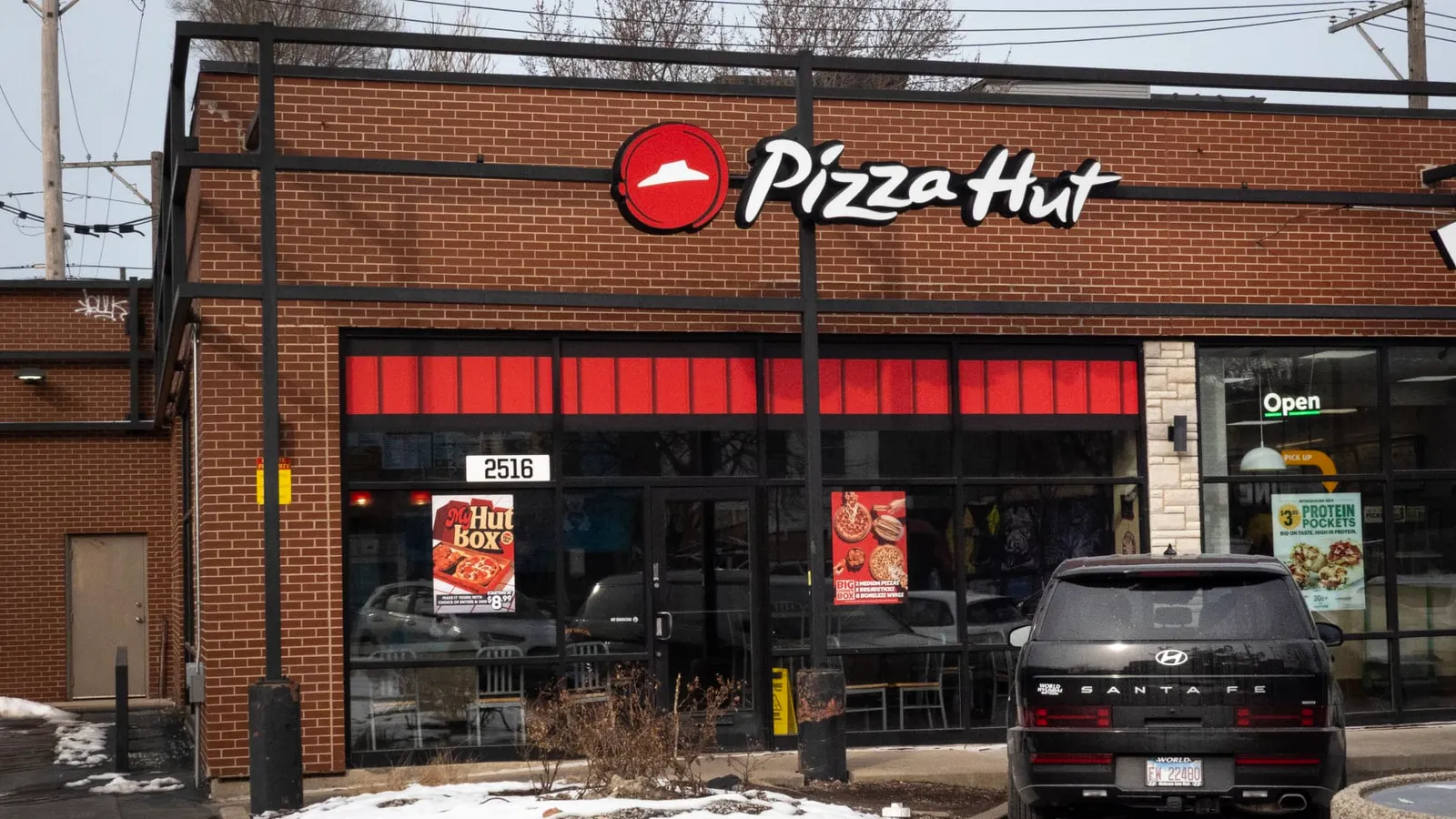
Yum Brands is selling Pizza Hut to private equity firm LongRange Capital and to Yum China for $2.7 billion. For decision-makers, the deal is a capital and strategy reset that caps a long period of operational and brand pressure.
Yum Brands is selling Pizza Hut to private equity firm LongRange Capital and Yum China for $2.7 billion, marking a clean end to years of struggles for the pizza chain. The headline number matters because it signals more than a divestiture. It is a controlled exit, converting a distressed or underperforming asset into cash that can be redeployed elsewhere within Yum’s business.
In plain English, this is Yum taking a hard look at where Pizza Hut sits in its portfolio and deciding the risk and drag are no longer worth carrying. The sale price, $2.7 billion, is the financial underline to the operational reality described in the original reporting: Pizza Hut has faced years of difficulty, and this transaction caps that chapter. For investors, executives, and boards, that is the core message. The company is not merely “restructuring” or “optimizing” from within. It is stepping away.
To understand why a divestiture like this lands with force, it helps to zoom out on how large restaurant franchisors typically think about brands. Pizza Hut is a recognizable name, but brand strength in consumer markets is not permanent. Demand shifts. Promotions become expensive. Competitive pressure changes the math. When those pressures persist, the business can start to feel like it is absorbing management attention and capital that might be better used on other growth vectors.
A $2.7 billion move also changes the internal boardroom conversation. Boards that oversee strategy and capital allocation have two immediate questions. First, can the company realistically fix the asset fast enough to protect shareholder value? Second, if the answer is no or the timeline is too long, what is the opportunity cost of waiting? Exiting a troubled asset converts uncertainty into a defined outcome: cash proceeds and the ability to refocus on whatever comes next for the parent company.
LongRange Capital and Yum China are important in another way. The source says the buyers are a private equity firm and Yum China, which implies the asset could be handled with a different operating playbook than the one Yum Brands used as owner. Private equity often approaches underperforming businesses with a focus on improving unit economics, streamlining operations, and tightening execution. Meanwhile, Yum China’s involvement suggests a regional strategic angle, especially because Yum China is already connected to how Yum operates in markets where brand demand, supply chain choices, and local consumer behavior can differ substantially.
Regulatory and deal-structure details are not specified in the source, but large transactions of consumer brands generally come with scrutiny around competition, ownership changes, and franchise or trademark relationships. Even without specific regulator names in the provided material, the second-order effect for executives is clear: process matters. Deals like this usually require careful coordination to ensure the brand, intellectual property, franchise agreements, and operational control transfer cleanly. That operational handoff, more than the announcement itself, determines whether the buyer captures the value buyers underwrite in their models.
What makes this story more than a business headline is what it signals to peers. When a major company sells a marquee brand after “years of struggles,” it is effectively sending a market verdict about the difficulty of turning around stalled consumer franchises at scale. That does not mean turnaround is impossible. It means the bar for proving a turnaround thesis is high, and the window for achieving it may be shorter than company leadership expects. For CEOs and CFOs, it is a reminder that brand assets have balance-sheet implications. For boards, it is a reminder that patience is not a strategy by itself.
For decision-makers who are watching their own portfolio of brands, the strategic stakes are immediate. A divestiture like this can reshape competitive dynamics in the pizza segment, influence how franchisors negotiate franchise support and marketing spend, and alter investor expectations around which brands are viewed as scalable growth engines versus capital drains. Yum Brands has chosen to monetize Pizza Hut. Now the question for the market is simple: can the new ownership team make the brand perform well enough that the $2.7 billion sale price turns into a compelling investment outcome, not just a clean exit for the seller.
This story's Key Insights and Take-aways are locked.
Create a free account to unlock Executive Actions for one credit.
Register to UnlockAlways free for Executives Club members. Join the Club
More in Business

SpaceX vaults past Amazon in 3 days, briefly topples Microsoft, and enrages some bulls
Market cap, Musk wealth, and retail mechanics collide with acquisition-driven AI spend and looming investor scrutiny.

SpaceX buys Cursor for $60B, turning vibe coding into a capital-race overnight
Lovable, Replit, and others are raising billions as Big Tech both bets on and panics about AI-built software.

Gina Rinehart backs SpaceX with a $1B+ stake after its $2.5T debut valuation
The Aussie mining billionaire just put Hancock Prospecting behind Musk's rocket-and-satellite combo, and markets noticed.