
Yum! Brands will sell Pizza Hut for $2.7bn in two deals
The parent of KFC and Taco Bell plans to exit Pizza Hut after dated stores and intensifying competition.
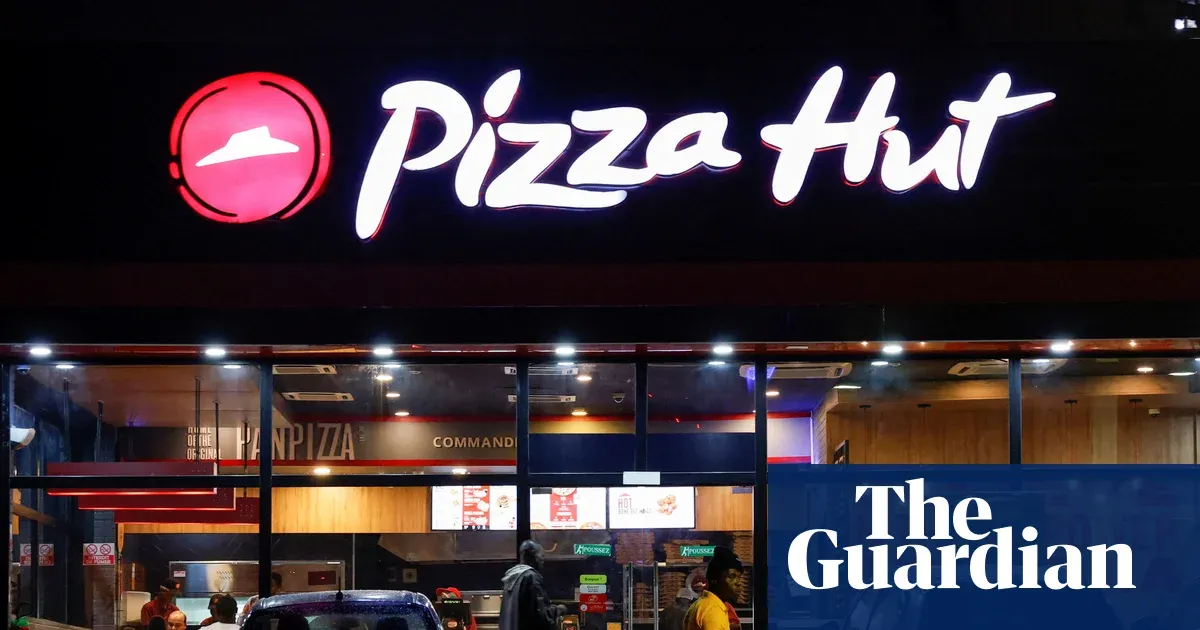
Yum! Brands, the parent company of KFC and Taco Bell, will sell the struggling Pizza Hut restaurant chain for $2.7bn in two deals. The sale follows Yum! Brands saying in February that it was considering selling Pizza Hut, with plans to close about 250 US restaurants.
Yum! Brands is moving Pizza Hut into a two-deal exit, selling the struggling pizza chain for $2.7bn. The headline number matters because it is not a tidy rebrand or a “wait and see” option. It is a line in the sand by the parent of KFC and Taco Bell, signaling that the economics of keeping Pizza Hut are no longer working.
The setup is equally blunt. Yum! Brands told investors in February that it was considering selling Pizza Hut, and the company was looking to close 250 US restaurants. That is what the market reads as a full rethink: reduce footprint fast, then monetize what is left. The strategy is aimed at a chain that has struggled with dated stores and growing competition, two pressure points that tend to compound rather than fade.
To understand why a $2.7bn sale can become the “only rational move,” you have to look at how quick-service restaurant performance typically breaks down. When store layouts, equipment, and in-store experience fall behind competitors, customer visits shrink. When customer visits shrink, unit economics get worse. When unit economics get worse, the operator has less cash to reinvest into those stores. That feedback loop is brutal. The source points directly to dated stores and growing competition, which is the classic combination: consumer attention moves, and the company is stuck trying to compete with less modern infrastructure.
The “two deals” structure also hints at execution discipline. Even without the specific terms in the source, splitting an asset sale can help in getting to a faster close, attracting different bidders, or ring-fencing liabilities. Boards like to see paths that minimize delay and reduce uncertainty. If you are on the Yum! Brands side, you are not just selling Pizza Hut. You are cleaning up the capital allocation question: how much corporate bandwidth, management focus, and balance sheet support should go to a business that is underperforming versus businesses with stronger momentum.
There is also a board-level incentive to consider. Yum! Brands is already strongly associated with KFC and Taco Bell, and both brands operate in a way where fresh marketing cycles and menu innovation can help protect demand. Pizza Hut, by contrast, has been described here as facing dated stores and growing competition. When an executive team believes those two issues cannot be fixed quickly enough, the board tends to ask for a decisive exit rather than an open-ended turnaround with uncertain payback.
From a capital markets perspective, a $2.7bn sale is the kind of event that can change how investors think about the remaining portfolio. Even when the source does not specify what happens to proceeds, the impact is usually indirect but real: it frees management time, reduces operating friction, and can improve the narrative around the company’s strategic focus. In other words, it can make the rest of the portfolio look cleaner, sharper, and more defensible.
The operational reality is also visible in the planned closures. Targeting about 250 US restaurants is not a symbolic gesture. Closing that many units generally means changing labor needs, supply chain volumes, and landlord relationships, plus dealing with the customer impact that comes from reduced availability. These moves are typically uncomfortable, but they can be the fastest way to stem losses, especially when the root problems include the physical store experience and competitive pressure.
For executives at other restaurant companies, the second-order lesson is about timing. Once a brand is described in terms like dated stores and growing competition, the question stops being whether performance is declining and becomes whether the decline is recoverable on an acceptable timetable. Yum! Brands appears to be answering that question with action, and for peers the message is clear: when the portfolio logic breaks, monetization can come before the turnaround effort is fully “proved.” That is the strategic stake behind the $2.7bn figure. This is not just an asset sale. It is a statement about what kind of growth and reinvestment the parent company is willing to bet on next.
This story's Key Insights and Take-aways are locked.
Create a free account to unlock Executive Actions for one credit.
Register to UnlockAlways free for Executives Club members. Join the Club
More in Business

SpaceX vaults past Amazon in 3 days, briefly topples Microsoft, and enrages some bulls
Market cap, Musk wealth, and retail mechanics collide with acquisition-driven AI spend and looming investor scrutiny.

SpaceX buys Cursor for $60B, turning vibe coding into a capital-race overnight
Lovable, Replit, and others are raising billions as Big Tech both bets on and panics about AI-built software.

Gina Rinehart backs SpaceX with a $1B+ stake after its $2.5T debut valuation
The Aussie mining billionaire just put Hancock Prospecting behind Musk's rocket-and-satellite combo, and markets noticed.