

Yung Filly found not guilty in Perth rape case after court overturns key charges
A UK YouTuber avoids rape conviction, but the ruling still lands a serious legal consequence: assault convictions.
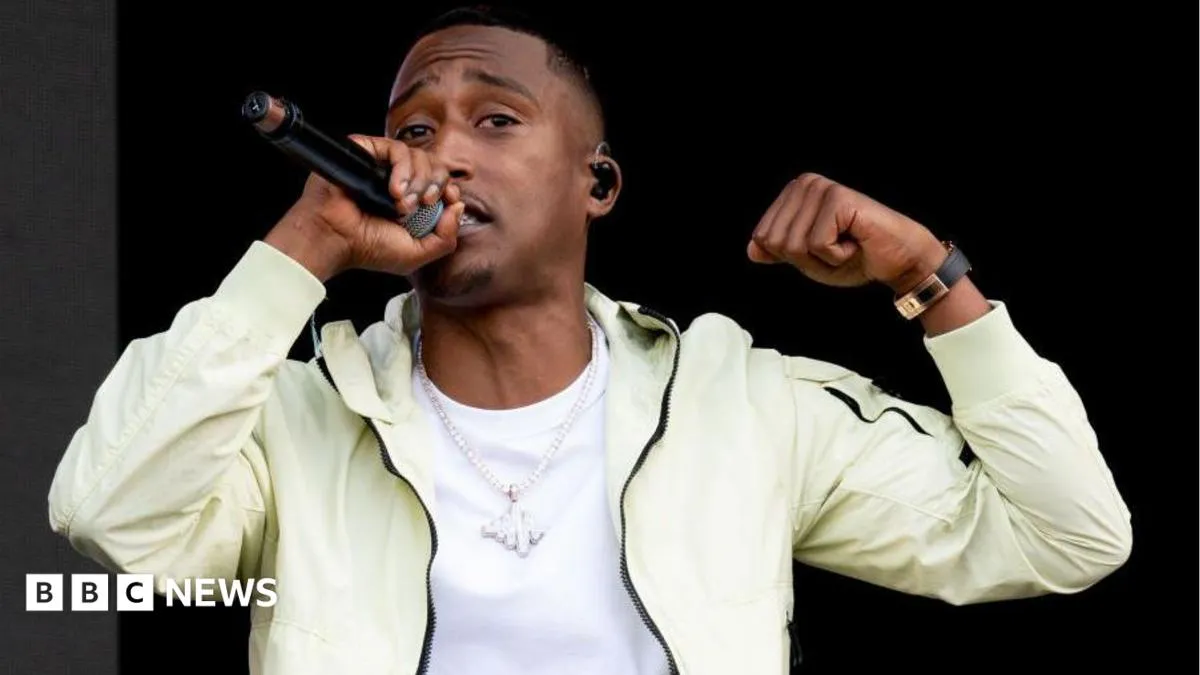
UK rapper and YouTuber Yung Filly was found not guilty of rape but convicted of two counts of assault for a 2024 incident in Perth. The mixed verdict forces decision-makers to rethink risk, liability, and reputational controls around high-profile creators.
Yung Filly, the UK rapper and YouTuber, was found not guilty of raping a woman after an Australian show in Perth, according to the BBC News Entertainment report. The court still convicted him of two counts of assault related to the 2024 incident.
That combination matters because it is not a clean exoneration story. A “not guilty” finding on the rape allegation may resolve one headline, but two separate assault convictions mean the legal outcome remains consequential, enforceable, and highly visible. For anyone tracking how courts evaluate public figures, this is a reminder that different allegations can travel through the system on different evidentiary tracks, and the final ruling can split in unexpected ways.
To understand why this is bigger than a single case, zoom out to the modern creator economy. Yung Filly is not just a musician, he is a YouTuber, meaning his audience relationships, brand partnerships, touring, and monetization can all be impacted by legal findings. Even when the most severe accusation does not result in a conviction, assault convictions still carry real-world effects: they can change how platforms moderate content, how advertisers assess risk, how venues evaluate future bookings, and how audiences interpret creator behavior.
There is also the governance angle. Companies that rely on influencer marketing do not just ask, “Did they get convicted?” They ask, “What is the residual legal and reputational risk after a mixed verdict?” Boards and compliance teams typically look for triggers that require action, such as new litigation status, court outcomes, and any continuing uncertainty. In practice, this means decision-makers often need to update risk registers, revise contract clauses, and revisit indemnities and termination rights when a case outcome changes. A not-guilty on one count does not necessarily turn off the compliance workload when other convictions remain on the record.
On the regulatory and legal framing side, this case sits in the broader context of how serious criminal allegations are handled in Australia for incidents that occur in specific jurisdictions. When a public figure tours or appears abroad, the relevant courts, evidentiary standards, and legal definitions of offenses are local. That matters for executives because it changes the timeline and the “control points” for risk mitigation. You can have PR strategies ready, but you cannot negotiate a verdict. What you can do is prepare for the full spectrum of outcomes, including mixed ones where one allegation fails but others still land.
The second-order implications go beyond the creator himself. A mixed verdict like this can influence how other creators and their teams think about touring, insurance, security practices, and event logistics. It can also shape how brands interpret legal news in the future. If the market conversation shifts toward “They were cleared of rape,” but the legal reality includes “two counts of assault,” brands that respond too simplistically may still misread the situation and expose themselves to backlash or compliance gaps.
So what should leaders take from this? First, criminal-case outcomes should be treated as multi-dimensional, not a single yes-or-no label. Second, mixed results require more granular messaging and more careful contractual response than either a full win or a full defeat. Third, executives should assume that public attention will track every part of the ruling, not just the most prominent count. In a world where the next headline can move partnerships overnight, the Yung Filly verdict underscores that legal risk management for public figures is not a one-time event. It is a continuing system that has to handle nuance, uncertainty, and partial outcomes as they emerge.
This story's Key Insights and Take-aways are locked.
Create a free account to unlock Executive Actions for one credit.
Register to UnlockAlways free for Executives Club members. Join the Club
More in Entertainment

Ali G's 'stooge' says he was in on joke, outplayed Sacha Baron Cohen
A 54-year-old aspiring actor says he recognized Sacha Baron Cohen mid-shoot, kept his MAGA act up, and let the film-makers think they had fooled him.

Entertainer Russell Brand denies 7 sex charges amid accuser's 'couldn't breathe' claim
The alleged victim's account sharpens the reputational and legal stakes for Brand, his platforms, and any business tied to a public figure under criminal scrutiny.

Russell Brand's accuser 'bewildered and confused' as he denies 7 sex charges
The criminal case against the comedian is a live test of how media companies manage talent risk when serious allegations go public.