

Zach Cregger makes Resident Evil feel like “one gigantic sequence” starting in 5 minutes
A “regular guy” Bryan heads into Umbrella’s Raccoon City chaos, and Cregger says the pace stays non-stop.
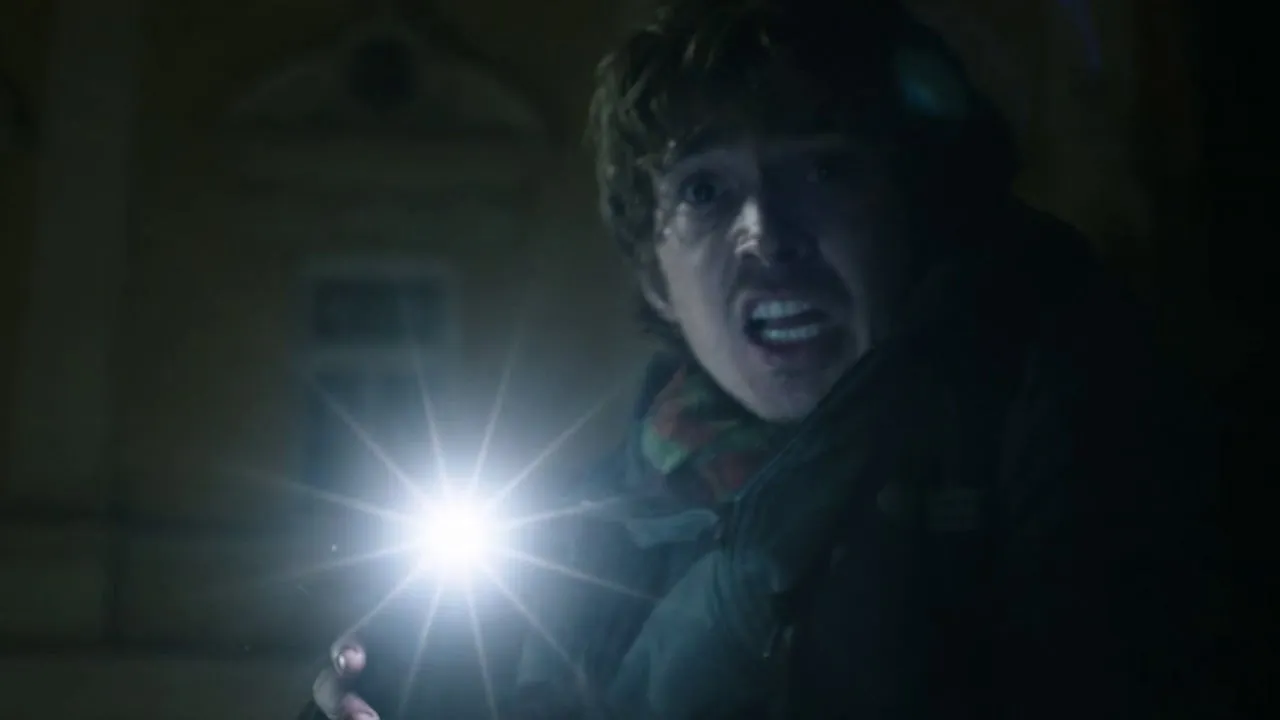
Weapons director Zach Cregger is shaping the Resident Evil movie as a relentless “one gigantic sequence” built around Bryan, played by Austin Abrams. For decision-makers, the pitch signals a creative strategy that minimizes franchise character carryover while doubling down on set-piece momentum.
Resident Evil’s weapons director Zach Cregger just described his movie as something closer to an endurance run than a traditional franchise entry: “one gigantic sequence.” And the important part is when it starts. Cregger says “things pop off about five minutes in and it basically stays like that until the end,” borrowing the games’ “set-piece to set-piece” rhythm where “you’re just running through a gauntlet.”
That structure matters because Cregger is also steering the story away from the kind of familiar gun-toting, combat-tested lead characters Capcom fans associate with the survival horror series. He frames Bryan, played by Austin Abrams, as an “everyman” created to be the opposite of the usual Resident Evil protagonist. Bryan is “not your typical game character,” Cregger says, with “no combat skills whatsoever and completely inept at survival,” yet still burdened with a “sacred mission” that takes him “into the heart of everything,” which Cregger compares directly to “Frodo going into Mordor.”
There’s a clear creative incentive behind this. Resident Evil already has an established character universe, with fan expectations wired to specific names and archetypes. Cregger has previously spoken about deliberately avoiding characters from Capcom’s beloved survival horror series, so viewers should not expect Leon S. Kennedy or Claire Redfield to appear. Now he’s extending that philosophy to the movie’s center of gravity: instead of leaning on established icons for instant familiarity, he’s betting on an “everyman” premise that can still deliver tension and momentum, just with a different kind of protagonist vulnerability. For audiences, that can make the horror feel more personal because the lead is less “trained operator” and more “outmatched passenger.”
Cregger also anchors the story in recognizable franchise DNA, even while changing the delivery. The movie still takes place in a version of Raccoon City, though he says it is seemingly one designed not to feel like it could crossover with the games. It also includes a zombie virus created by the villainous corporation Umbrella. That combination is doing a lot of work. It signals to long-time fans that the world rules still align with the franchise, while also giving the filmmakers room to remix plot beats without being locked into every continuity expectation. In other words, he can keep the brand’s recognizable horror engine while reshaping how the fuel gets burned.
At the same time, Cregger acknowledges the inevitability of franchise signal detection. Video game fans will be able to spot Easter eggs, and he suggests the movie can be enjoyed whether someone knows Spencer from Ashford, or Crimson Heads from red herbs. That matters from a development perspective because Easter eggs can function like a bridge between audiences: hardcore fans get coded nods; mainstream viewers can still follow the story without needing the cheat sheet. It also helps explain why he sounds focused on pace and sequence design rather than one-to-one adaptation. The production pitch here is not “recreate the game movie you wanted,” it is “extract the game’s momentum and translate it into cinema.”
This is where the real tension shows up. The stance of avoiding a more direct adaptation has disappointed some fans who want a more faithful translation of the games. But Cregger has previously said he was uninterested in retreading ground covered by the video games and previous movies. That earlier boundary setting is relevant because it reduces the odds of whiplash mid-production as feedback accumulates. In franchise filmmaking, clarity on what you will not do can be just as important as clarity on what you will do, because it shapes creative decisions like casting, sequence planning, and how tightly the screenplay must track established beats.
Cregger’s comments also emphasize action cadence and escalation. He says he loves that in the games you move from set-piece to set-piece, where “every location has a unique challenge.” He then connects that to his approach: “So again, I’m borrowing from the games directly in that rhythm, where you’re just running through a gauntlet.” That “gauntlet” framing matters because it implies less downtime and more continual pressure, which can be a business-friendly way to protect theater performance. If the movie is engineered to “stay like that until the end,” it reduces the risk that audience attention drops after an early introduction. For investors and executives, it is a reminder that pacing is not just an artistic choice. It is an engagement strategy.
All of this culminates in a concrete release timeline: Cregger’s Resident Evil movie will creep into theaters September 18, 2026. Until then, the public debate will likely continue around adaptation expectations versus reinterpretation. But the specific creative blueprint Cregger is laying out is hard to ignore: Bryan as an “everyman” carrying a sacred mission, Umbrella’s zombie-virus horror in a version of Raccoon City, and a structure that moves “about five minutes” in, then refuses to slow down. If you work in film, games, or any media business trying to translate beloved properties into new formats, this is the kind of gambit that can set a template. Make the audience feel the pressure immediately. Then keep the pressure on.
This story's Key Insights and Take-aways are locked.
Create a free account to unlock Executive Actions for one credit.
Register to UnlockAlways free for Executives Club members. Join the Club
More in Entertainment

Russell Brand's accuser 'bewildered and confused' as he denies 7 sex charges
The criminal case against the comedian is a live test of how media companies manage talent risk when serious allegations go public.

'It's a Magic Trick': Ballet Experts Say Rosalía's SNL Pose Is Impossible
Three ballet experts tell Rolling Stone Rosalía's gravity-defying SNL stillness shouldn't be possible - and why the debate is now part of the show.

Activision CMO: GTA 6 Will Boost Call of Duty, Not Bury It
Activision's top marketer says Rockstar's blockbuster will drive players back to consoles and into Modern Warfare 4, even as the company admits its recent strategy failed.