
Zack Polanski slams Andy Burnham as “in hock to vested interests”
The Greens launch a pushback on the next PM, painting Burnham as cautious on wealth taxes, Gaza, and rent controls.
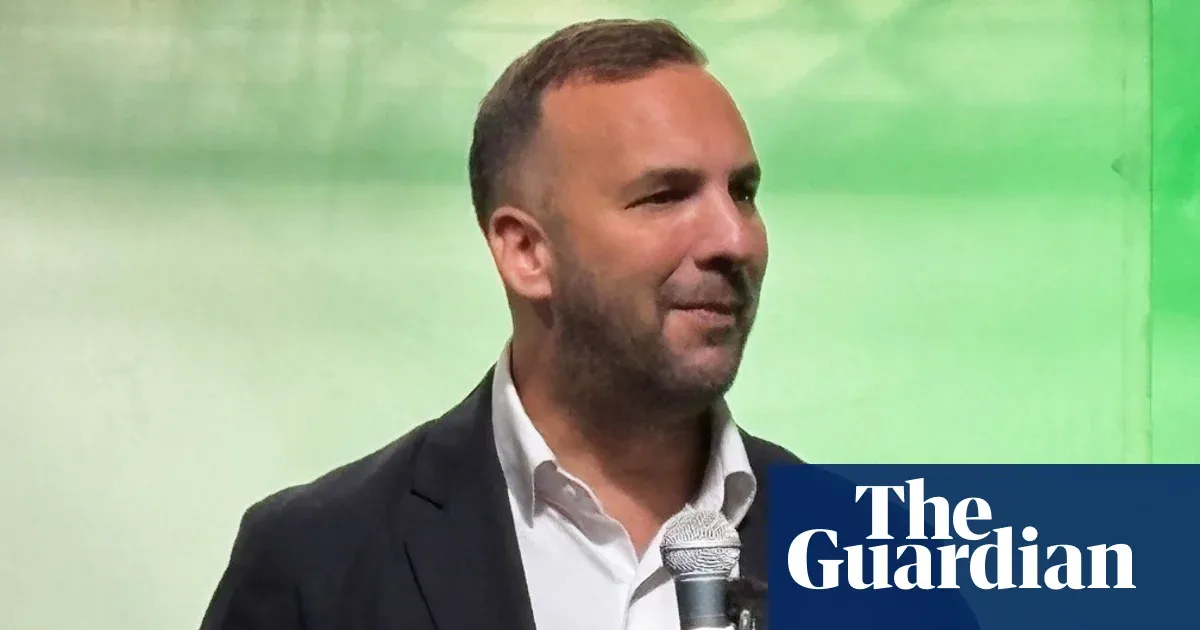
Zack Polanski says Andy Burnham is “too in hock to vested interests” to offer real change as the Green party in England and Wales pushes back against the incoming prime minister. For decision-makers, it signals how the Greens are positioning themselves with faster momentum, especially among former Labour voters.
Andy Burnham is facing a direct political credibility test, and Zack Polanski is pulling the lever. Polanski, speaking for the Green party, says Burnham is “too in hock to vested interests” to offer real change. The context matters: the Greens are launching a pushback against the incoming prime minister, with Polanski describing him as cautious and weak on several issues the party has staked its national appeal on, including wealth taxes, Gaza, and rent controls.
This is not just messaging theatre. Polanski frames the argument around the incentives that shape political agendas, the same invisible forces that often decide whether reforms survive contact with power. The Greens are presenting a choice to voters who want the left side of UK policy to move faster, or at least more aggressively, on redistribution and on interventions that affect daily life, like rents. And because those issues are tightly linked to how governments raise revenue and regulate housing, the party is making a case that Burnham’s constraints will be felt in legislation before it ever reaches a manifesto headline.
Behind the rhetoric is a hard political fact: under Polanski’s leadership, the Green party in England and Wales has more than tripled its membership. That growth rate is the kind of signal political operators watch for, because membership translates into volunteer energy, field operations, and credibility with donors and local candidates. It also tightens the feedback loop between leadership and the base. When a party is scaling that quickly, its leaders cannot afford to look indecisive on high-salience issues. Polanski’s line about “vested interests” is essentially a demand for sharper commitments, backed by a growing constituency that wants policy to follow principle.
The Greens are also closely tracking Labour in opinion polls, with much of the new support coming from former Labour voters disenchanted with Keir Starmer’s approach. That detail is pivotal. In UK politics, the left-of-center vote is often less about loyalty and more about whether voters believe they are getting structural change. If former Labour voters are defecting, it means the Greens are not just harvesting protest votes, they are attempting to become the default alternative for those who still want a more left-leaning agenda. For anyone trying to forecast policy direction, the lesson is that coalition mathematics and voter migration can reorder priorities quickly, even without a formal party switch by government officials.
Now zoom out to the governance mechanics. When Polanski portrays Burnham as cautious on wealth taxes, Gaza, and rent controls, he is targeting three policy categories with different technical and political friction. Wealth taxes raise revenue and often trigger intense debate about incentives, enforcement, and economic impact. Gaza-related positions carry moral and diplomatic weight, which can influence how far a government is willing to push in international forums. Rent controls directly reshape housing markets and can collide with concerns about supply, investment, and property owners. Each of these areas is a magnet for “vested interests,” whether those interests are asset holders, industry players, or institutions with political influence. In other words, Polanski is arguing that Burnham will face pressure from constituencies who prefer incremental change, not the kind of realignment that voters asking for reform are expecting.
The Greens’ pushback also has an internal strategic purpose: it tries to define the narrative before policy proposals land. In practice, early framing can shape what subsequent announcements feel like. If a prime ministerial candidate is already described as “in hock,” then every later compromise risks being read as surrender rather than prudence. That is a reputational problem, not just a partisan one. Once a leader is tagged in public debate as weak on wealth taxes or rent controls, it becomes harder for them to sell gradualism, even if they later adopt elements of the agenda.
For decision-makers in adjacent parties, NGOs, and policy-heavy organizations, this matters because UK politics does not move in a straight line. It moves through pressure, timing, and whether opponents can mobilize attention faster than the government can craft responses. If the Greens keep growing and remain close to Labour in the polls, they can raise the cost of being vague. That can force sharper stances on housing regulation and taxation, and it can also affect how quickly governments respond to political pressure on foreign policy issues like Gaza. The immediate stake is electoral, but the second-order effect is legislative: when opposition parties can credibly argue they represent momentum, the mainstream has less room to delay decisions that would otherwise be postponed.
In short, Polanski’s claim about Burnham is wrapped in more than insult. It is a mobilization signal from a party that has tripled membership, is gaining former Labour voters, and is positioning itself as the credible left alternative. If that positioning holds, it will shape how the incoming prime minister navigates reforms that touch money, housing, and conscience.
This story's Key Insights and Take-aways are locked.
Create a free account to unlock Executive Actions for one credit.
Register to UnlockAlways free for Executives Club members. Join the Club
More in Politics

LA County: DOJ's 20,000 'noncitizen' voter list is 'unreliable,' includes U.S.-born
Preliminary review by Los Angeles County election officials finds errors in the federal list, raising the stakes for voter roll integrity ahead of November.

Trump's $1.5B Pentagon chip investment lands in North Carolina
A $1.5 billion defense infusion for North Carolina chipmaking signals a new era of Pentagon-backed reshoring - here's what it means for the industry.

Nigeria confirms first Ebola case in Abuja, a woman just off a Uganda flight
Health Minister Muhammad Ali Pate says the patient flew in from Uganda, putting Africa's latest outbreak on Nigeria's doorstep.