
Zelda leans into realism with movie and Ocarina remake, raising the fantasy question
The push toward realism is now visible in Zelda's dual-front calendar. The risk: something fairy-tale fans think they need.
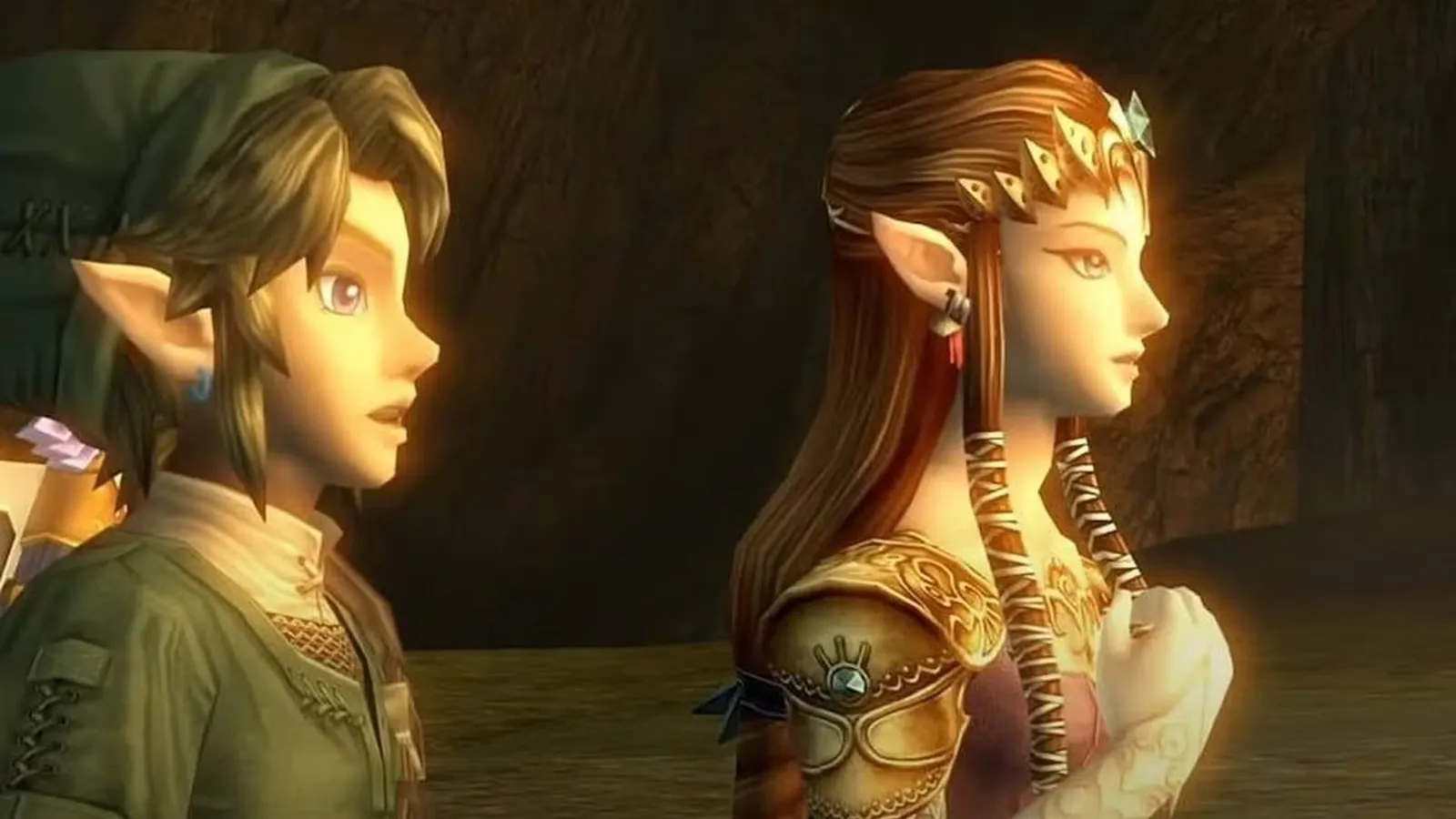
The Legend of Zelda, the franchise that has historically stayed away from realism and prestige-drama trends, is now making a push for a more realistic direction alongside an upcoming movie and an Ocarina of Time remake. For decision-makers, the shift signals a tradeoff between broader cinematic ambition and the franchise identity that made it stick for decades.
For forty years, The Legend of Zelda has delivered fantasy adventures that can feel dark, cartoonish, or surreal, sometimes all at once. In a market where other long-running series have increasingly chased realism, cinematic storytelling, and ever-more detailed graphics, Zelda has mostly stayed put on the side of fairy tales rather than prestige dramas. That longstanding choice is part of the franchise's power: it does not ask the player to squint at it like a “serious” production. It invites you in like a myth, then lets gameplay and story do the heavy lifting.
Now ScreenRant flags a potential pivot happening in real time, driven by two very visible upcoming moves: the upcoming movie and the Ocarina of Time remake. The core idea is simple, but the implications are not: Zelda is making a push for realism, and the question is whether the franchise is losing something that realism does not automatically replace. If you have ever watched a beloved universe “modernize” and then quietly change its tone, you already understand the tension. It is not that realism is inherently bad. It is that it can change what the brand feels like when you turn the world into something more like our world.
Zoom out for a second, because this decision is happening in a broader industry environment. Many franchises from the same era have chased realism for competitive reasons, not just artistic ones. As players became more accustomed to cinematic presentation and high-fidelity visuals, realism became a shorthand for ambition and scale. Final Fantasy is the example ScreenRant points to, illustrating how some series leaned into more “prestige” approaches as technology and audience expectations evolved. In other words: realism is not only a creative direction, it can become a strategy for staying relevant across generations.
Zelda’s counter-strategy has been to resist that pressure. The games, per ScreenRant, have functioned more like fairy tales than prestige dramas. That is a meaningful distinction for how fans interpret the story and tone. Fairy tales can be dark or surreal without turning into grim realism. They can be cartoonish without being unserious. That flexibility is what lets Zelda mix moods without breaking its own spell.
So what does it mean that Zelda is now moving toward realism, at least in the context of the upcoming movie and the Ocarina of Time remake? It means the franchise is likely trying to translate its identity into a format that audiences often associate with realism: a movie experience and a visually updated remake. Even without getting into specific implementation details, the business logic is straightforward. A movie is consumed in a different way than a game. Remakes are judged not just by how good they are, but by how well they respect what came before while still feeling current. If the product is expected to land with both longtime fans and new viewers, realism can act like a bridge.
But ScreenRant raises the real stake in plain language: is something lost along the way? This is where the brand tradeoff gets sharp. When a franchise shifts toward realism, it can accidentally narrow the emotional range that fairy-tale framing provides. Fantasy worlds do not need to look like reality to be immersive, but realism can change the baseline expectations of what “believable” means. It can also make surreal elements feel less magical and more like stylized sci-fi, depending on execution. That is the second-order issue for executives and boards: the risk is not just aesthetics. The risk is tone alignment across formats.
There is also a portfolio dynamic worth thinking about. Zelda is effectively running two high-visibility campaigns at once: a cinematic entry point and a renewed classic entry point through a remake. When that happens, the brand has to keep its internal coherence. If the movie leans too hard into realism while the remake and future games remain more fairy-tale in spirit, audiences can feel whiplash. If everything leans into realism, longtime fans may wonder why the franchise gave up a differentiated feel. Either way, the shift can influence customer satisfaction, not just reviews.
For decision-makers in adjacent entertainment and tech-adjacent industries, the strategic lesson is simple: realism is not a neutral upgrade. In a world where competitors have chased realism, cinematic storytelling, and detailed graphics, Zelda’s historical refusal to follow that trend has been a form of competitive differentiation. ScreenRant’s framing suggests the franchise is testing whether it can enter the realism era without sacrificing the fairy-tale essence that has defined it for forty years. The answer will show up in audience reaction and, ultimately, in whether the “new era” expands the audience without eroding what made Zelda worth revisiting in the first place.
This story's Key Insights and Take-aways are locked.
Create a free account to unlock Executive Actions for one credit.
Register to UnlockAlways free for Executives Club members. Join the Club
More in Entertainment

Russell Brand's accuser 'bewildered and confused' as he denies 7 sex charges
The criminal case against the comedian is a live test of how media companies manage talent risk when serious allegations go public.

'It's a Magic Trick': Ballet Experts Say Rosalía's SNL Pose Is Impossible
Three ballet experts tell Rolling Stone Rosalía's gravity-defying SNL stillness shouldn't be possible - and why the debate is now part of the show.

Activision CMO: GTA 6 Will Boost Call of Duty, Not Bury It
Activision's top marketer says Rockstar's blockbuster will drive players back to consoles and into Modern Warfare 4, even as the company admits its recent strategy failed.