

Zendaya and Tom Holland: How a 'bad' scene saved a blockbuster film
The stars' on-set chemistry and willingness to improvise proved more valuable than the script, fundamentally changing the franchise's creative playbook.
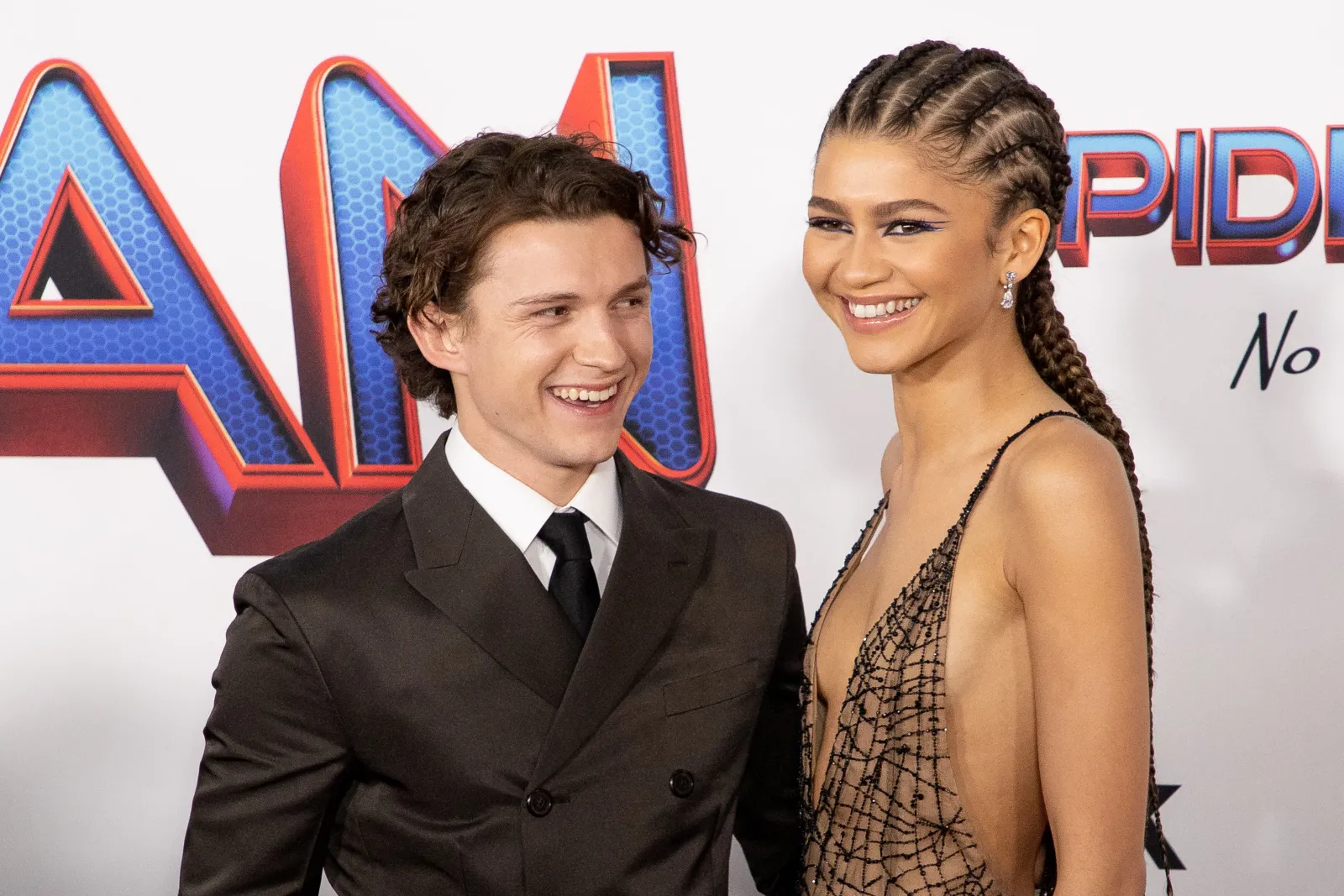
Zendaya and Tom Holland, stars of the Spider-Man franchise, demonstrated the immense value of on-set chemistry and collaborative improvisation during the filming of 'Spider-Man: Brand New Day.' This signals to Hollywood that star power and authentic performance dynamics can override even the most polished studio script, changing how IP franchises are managed and executed.
The enduring chemistry between Zendaya and Tom Holland proved so powerful that it forced a major creative pivot on the set of 'Spider-Man: Brand New Day,' demonstrating that authentic star rapport can be the most valuable asset in a major IP franchise. During the filming process, the actors' natural connection and spontaneous interactions were so compelling that the director reportedly sent the entire crew home, allowing the scene to be rewritten and rebuilt around their genuine dynamic. This incident highlights a critical, often underestimated truth in modern blockbuster filmmaking: the raw, unscripted connection between A-list talent can hold more creative weight than the meticulously planned studio script itself. For executives managing major intellectual property (IP) franchises, this is a potent reminder that the 'product' is not just the story, but the palpable energy of the performance.
This dynamic was discussed by Tom Holland on the 'Good Hang' podcast, where he emphasized the profound professional and personal impact of working with Zendaya. He stated that acting alongside her is a "lifeline" and that he "couldn't imagine doing what I do without her." This sentiment goes beyond simple co-star billing; it speaks to a deep, professional synergy that fuels the performance. The fact that these two stars have collaborated across four separate 'Spider-Man' films, including the current installment, underscores a sustained, reliable creative partnership. For studio heads and IP managers, this consistent, high-quality pairing represents a significant risk mitigation strategy. They are not just buying two stars; they are buying a proven, synergistic performance engine that minimizes the risk of lackluster chemistry, a common pitfall in multi-billion dollar cinematic ventures.
The industry lesson here is about the shift from purely narrative-driven storytelling to performance-driven IP management. Historically, studio films relied heavily on established narrative arcs and predictable character beats. While those elements remain crucial, the modern blockbuster landscape, particularly in superhero genres, is increasingly valuing the feeling of the performance. The ability of Holland and Zendaya to spontaneously elevate a scene, forcing the director to scrap the original take and rewrite the material, suggests that the creative authority is shifting. The actors, through their sheer talent and chemistry, are becoming co-creators, not just executors of the director's vision. This is a powerful signal to every creative department, from advertising agencies to game studios, that the human element-the genuine, unpredictable interaction-is the ultimate premium commodity.
Furthermore, the longevity of their collaboration across four films speaks to a successful model of talent retention and brand synergy. Maintaining a consistent, beloved pairing across multiple installments is incredibly difficult, especially given the demanding schedules and high-stakes nature of superhero cinema. It requires not only the stars' commitment but also the studio's willingness to trust the creative process and allow the performance to dictate the narrative. This model of sustained partnership is a gold standard for IP development. It suggests that the most valuable assets are not just the characters (Spider-Man, etc.) but the relationships between the people who bring those characters to life. For executives, this means that talent management must prioritize chemistry and collaborative potential over simply securing the biggest names on a payroll. The return on investment (ROI) is measured not just in box office receipts, but in the sustained, believable emotional resonance that keeps audiences coming back.
Consider the broader implications for franchise development. When a scene fails, the default industry response is often to reshoot, adding cost and time. However, the situation described-where the scene was deemed unworkable and the crew was sent home-represents a more radical, yet ultimately more profitable, solution: a complete creative reset. This suggests a willingness to accept a temporary loss of control (the original script) in exchange for a massive gain in authenticity and emotional impact. This strategic flexibility is what separates successful, enduring franchises from those that falter under the weight of their own corporate machinery. It is a lesson in operational agility: when the core creative output is failing, the best move is not to push harder, but to step back, reassess, and allow the most authentic element-the human connection-to lead the way.
This dynamic also impacts the economics of Hollywood labor. The fact that the director had to fundamentally rewrite the scene and send the crew home implies a high degree of creative dissatisfaction with the initial product. While this sounds like a setback, the ultimate outcome was a massive creative win. This suggests that the industry is becoming more sophisticated in recognizing and compensating for 'creative friction'-the moments where the planned process breaks down, but a superior, unplanned result emerges. For studio executives, this means that the creative budget must allocate not just for shooting days and post-production, but also for 'creative incubation time' and the freedom for key talent to improvise and guide the narrative. The most expensive thing on set is not the star, but the creative freedom to fail spectacularly and pivot successfully.
Ultimately, the success of the Spider-Man franchise, and the lesson for any major IP, rests on the foundation of believable human connection. The chemistry between Holland and Zendaya is the engine. For founders, operators, and investors, the takeaway is clear: when building any brand or product, the most durable competitive advantage will always be the authentic, human interaction at its core. Whether it's a film set, a SaaS platform, or a global marketing campaign, the moment the connection feels real, the audience-or the user-stops thinking about the mechanics and simply feels the experience. That feeling is the ultimate currency, and it is always earned through genuine collaboration, not through corporate mandate.
This story's Key Insights and Take-aways are locked.
Create a free account to unlock Executive Actions for one credit.
Register to UnlockAlways free for Executives Club members. Join the Club
More in Entertainment

Christopher Nolan’s “The Odyssey” posts his biggest Tuesday haul, surpassing “The Dark Knight’s” record
The film’s Tuesday breakout reframes Nolan’s box-office ceiling and forces competitors to rethink timing, budgets, and release strategy.

Kacey Musgraves cancels Aug. 20, 29, Sept. 2 Middle of Nowhere shows
Ticketmaster emails are telling fans refunds are coming, while the tour still starts Aug. 21 in Chicago.

Billie Joe Armstrong launches Epiphone Les Paul Junior and Marshall 1959BJA signature gear
Two limited releases turn decades of Green Day’s tone into branded hardware, including Marshall’s first artist amp in 14 years.