
Zoox issues software recall after NHTSA links robotaxi emergency behavior to smoke confusion
The NHTSA flagged an emergency-response gap, and Zoox’s robotaxis now need software fixes.
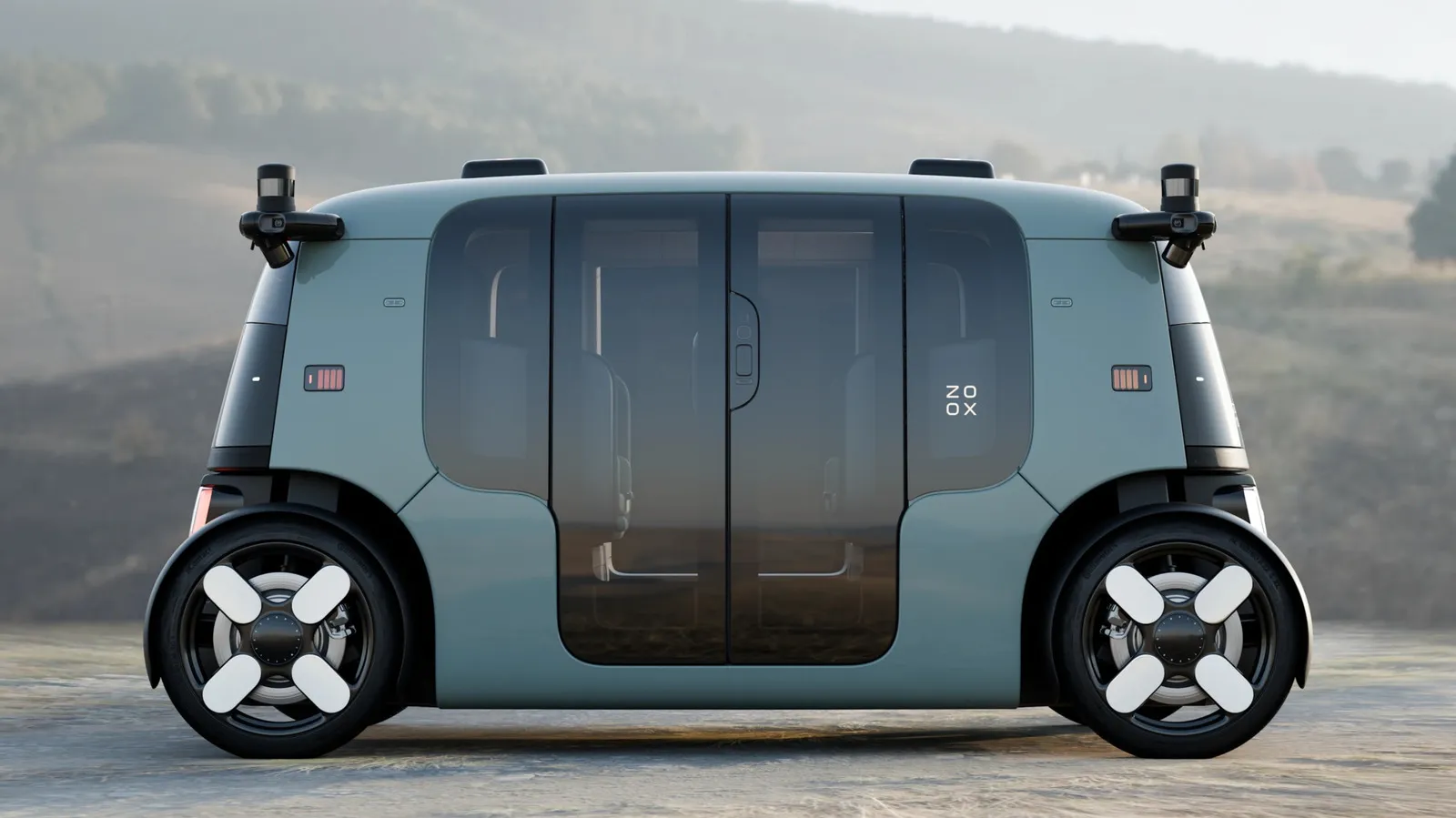
Zoox has issued a software recall tied to how its robotaxis may react if they are confused by smoke. The consequence for decision-makers is clear: regulators are tightening emergency-safety expectations for autonomous vehicle systems now.
Zoox has issued a software recall because its robotaxis may be confused by smoke, according to Engadget. The recall lands in a regulatory moment that the autonomous vehicle industry cannot treat as background noise. The U.S. safety regulator, the NHTSA, has recently called on autonomous vehicle companies to improve how their vehicles respond in emergency situations.
That pairing matters. It is not just “something in the system needs refinement,” it is a direct alignment of a specific edge case, smoke, with the broader question the NHTSA is pushing: when conditions get chaotic, does the vehicle behave the way it should? For Zoox, the issue shows up as a software recall, which is one of the most operationally expensive words in automotive. It means the company is asking owners, partners, and operational teams to act, and it means it has to prove the fix is real and effective under the scenarios that triggered regulator attention.
To understand why the industry should pay attention even if you are not operating a robotaxi fleet, you have to look at what the NHTSA is implicitly raising: emergency response is not optional polish. It is where automated driving systems get stress-tested in the real world, and where failures can escalate quickly because the vehicle is acting without a human driver ready to take over. Smoke is a particularly sneaky variable. It can reduce visibility, distort what sensors perceive, and change how quickly the system can correctly classify hazards. In other words, it is the kind of condition that can turn a well-behaved nominal driving stack into an “unexpected behavior” problem at exactly the wrong time.
Software recalls for autonomy are also different from traditional mechanical recalls. When the underlying issue is software behavior, the fix is typically about perception, prediction, or decision logic. That shifts the burden from “repair the part” to “upgrade the logic,” and it turns verification into a higher-stakes process. Executives reading this should assume the hard work is not done when an update is packaged. The real question becomes whether the revised software reliably handles smoke-related confusion across the variety of lighting, weather, and roadway contexts where robotaxis operate.
Regulatory pressure is the other half of the story. Engadget frames this as the NHTSA recently calling for autonomous vehicle companies to improve emergency behavior. Even without extra details in the report, the direction is unmistakable: the regulator is focused on emergency situations as a category that deserves improved performance. That kind of call tends to ripple outward. It can become the basis for closer scrutiny of future submissions, audits, and public-facing safety claims. For companies building autonomous systems, it also means engineering roadmaps must prioritize edge cases that look rare until they are exactly what regulators cite.
There is also a second-order board dynamic here. When a company issues a recall, it is not only a technical moment, it is a governance moment. Boards and risk committees often use recalls to force clarity on how the company defines, detects, and corrects safety gaps. If the system can be confused by smoke, the board will want to know what the company learned, what data supported the recall decision, and how the update will be deployed, tracked, and audited. Even for stakeholders who are not deep in autonomy, recalls create a paper trail that can matter later for liability discussions and regulatory relations.
For peers in autonomous driving, this is a signal about where “unknown unknowns” are being dragged into daylight. If smoke confusion is enough to trigger a software recall, it suggests that visibility-degrading or sensor-confusing conditions are a governance priority, not a science project. And since the NHTSA is explicitly calling for better emergency behavior, other companies in the space should assume regulators are looking for evidence that autonomy stacks have been stress-tested for emergencies and that companies can respond quickly when they find gaps.
The strategic stakes are straightforward. In autonomy, trust is the product. Safety events, even when addressed through recalls, shape the narrative for regulators, passengers, partners, and insurers. Zoox’s move shows that the tightening safety conversation is turning into concrete action, not just headlines. If you are an executive or board member at a company working on autonomous vehicle technology, the takeaway is to treat emergency response, including conditions like smoke, as a frontline engineering and verification priority. The regulator set the tone, the recall translates it into operations, and the rest of the market will feel the consequences in how fast they can prove safety fixes are real.
This story's Key Insights and Take-aways are locked.
Create a free account to unlock Executive Actions for one credit.
Register to UnlockAlways free for Executives Club members. Join the Club
More in Technology

Google quietly links your phone number to every Android account on your SIM
Adding a SIM now ties your phone number to all Google accounts - and future accounts inherit it. Here's the security and privacy stakes.

Hijacker AI 'Skynet mode' runs 100,000 attack steps against exposed models
Symantec caught a criminal AI agent that borrows other models, steals data, and mines crypto; the only relief is no confirmed victims yet.

Nvidia's AI-financier shift faces its first big test as neoclouds stumble
A rout in neocloud stocks is forcing investors to weigh Nvidia's hidden exposure as both supplier and lender to the AI buildout.