
Zoox overhauls robotaxi design as it waits on federal ok to charge for rides
Amazon-owned Zoox is redesigning its robotaxi while it lines up federal approval to launch paid rides and scale production in California.

Zoox, the Amazon-owned robotaxi company, is overhauling its robotaxi design as it awaits federal approval to charge for rides. It also plans to start large-scale production at its California facility once approvals and readiness line up.
Zoox, the Amazon-owned robotaxi company, is overhauling its robotaxi design as it pushes toward paid rides. The key constraint is not technology in isolation, it is permission: the company is awaiting federal approval to start charging for trips.
That regulatory gate matters because the business model changes the moment rides become billable. Until then, robotaxi programs can operate like pilots, showing progress while spending to learn. Once Zoox is cleared to charge, it can shift from proof-of-concept to revenue operations, and that is when design decisions stop being academic and start affecting cost, uptime, safety case readiness, and time-to-scale. Zoox is also planning to begin large-scale production at its California facility, which signals it is not treating this as a one-off trial.
This is the moment many autonomy players eventually hit. Robotaxi companies do not just build vehicles, they build regulatory credibility. Federal approval is the lever that turns experimentation into operations, and with that comes a different kind of pressure on engineering. If you are changing the design while waiting on approval, you are essentially trying to get two clocks to agree: the internal engineering clock for production readiness, and the external regulatory clock for authorization. Those timelines rarely match perfectly, so redesigns often reflect tradeoffs, such as making the system easier to validate, easier to manufacture, or easier to maintain at scale.
Zoox’s move also reveals how large platforms like Amazon think about risk and rollout. Amazon can afford to iterate, but once a robotaxi plan becomes a path to paid service, the costs of delay get real. Large-scale production plans at a California facility indicate Zoox intends to be ready to convert “authorized to charge” into actual ride volume. In other words, the company is trying to avoid the classic startup trap of having regulatory clearance but not having manufacturing and deployment aligned.
There is also a competitive subtext that executives and boards should notice even if it is not explicitly spelled out in the reporting. Paid rides are the prize because they create a unit economics conversation beyond “does it work.” They force operators to grapple with utilization, per-mile costs, repair and replacement cycles, customer experience, and the operational overhead of managing fleets. Design overhauls in this context usually mean the company is trying to lock down the factors that will matter once the vehicles are no longer just demonstrating capability, but delivering consistent service.
Regulation is the controlling variable, and for autonomy, regulation is not just a checkbox. The federal approval process can be interpreted as a confidence signal for broader commercialization. When approval is granted, it often reshapes how cities, partners, and investors view the viability of robotaxi deployments. It can also change the negotiating posture of any company that needs operating approvals at multiple levels. Zoox’s waiting period, combined with active redesign, suggests it wants to reach the starting line with a vehicle and process that can stand up to the new operational reality.
For decision-makers in adjacent sectors, the second-order lesson is about execution discipline. Zoox is effectively synchronizing three things: design work, a regulatory outcome, and manufacturing scale-up at its California facility. When those are out of sync, autonomy efforts tend to stall. When they align, the field can move quickly once authorization arrives.
The strategic stakes are simple. If federal approval arrives and Zoox is prepared to charge and produce at scale, the company can accelerate from pilot credibility to paid-market momentum. If the approval takes longer or requires design changes later, the redesign underway now is Zoox’s way of reducing rework and minimizing the gap between approval and commercialization. Either way, the message to peers is clear: in robotaxis, the most valuable work may be the unglamorous coordination between engineering and regulators, because that coordination determines whether a technology lead turns into a revenue lead.
This story's Key Insights and Take-aways are locked.
Create a free account to unlock Executive Actions for one credit.
Register to UnlockAlways free for Executives Club members. Join the Club
More in Business
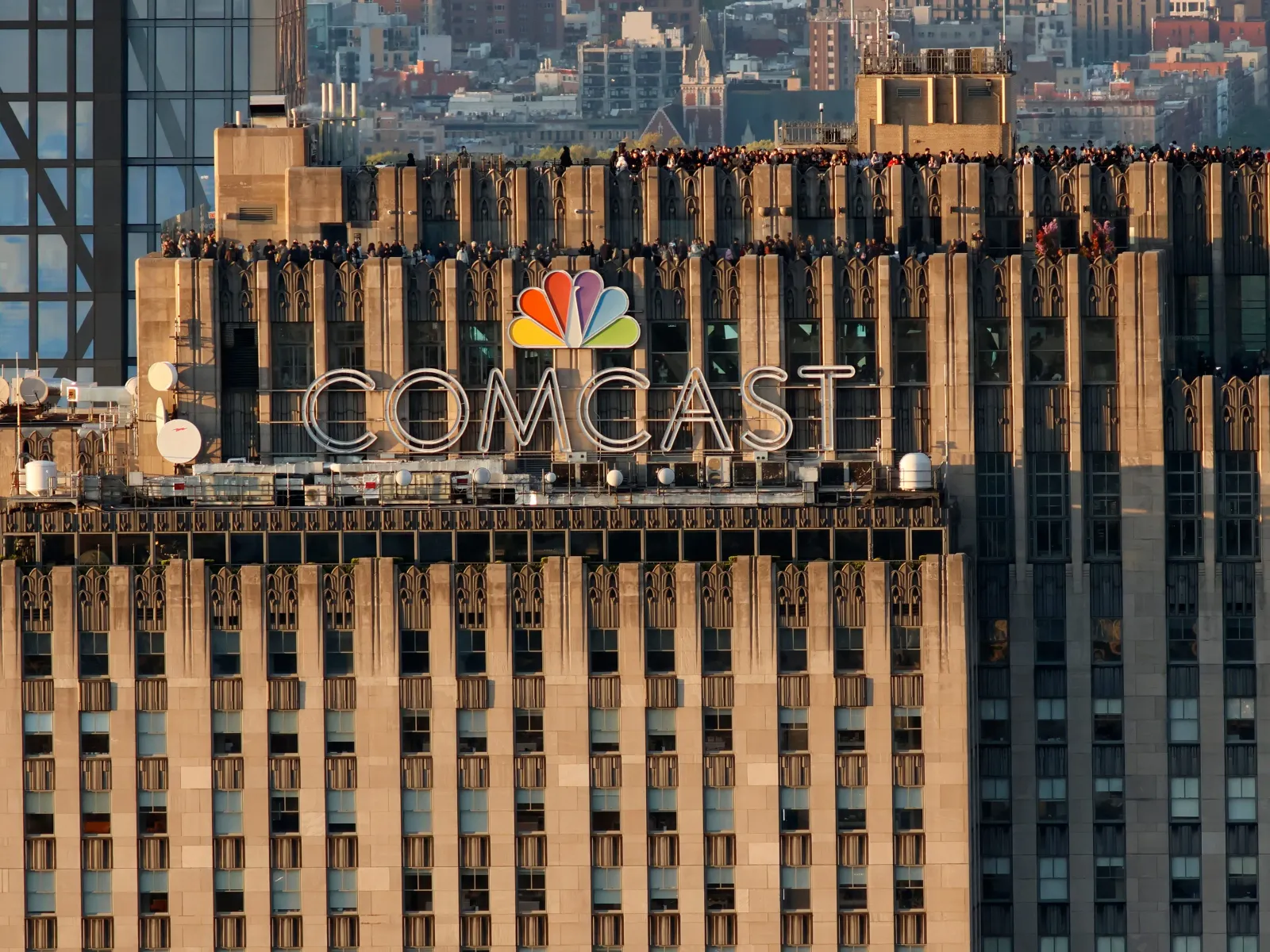
Comcast shares jump 25% as it plans to split NBCUniversal and Sky
The tax-free spin-off could reshape focus, funding, and competition across media and tech for years.

Bungie cuts most Destiny 2 staff as Sony says Marathon still matters
Herman Hulst confirms layoffs affecting most Destiny and some Marathon teams after Bungie admits Destiny fell short.

SK Hynix jumps 11% after seeking up to $29.4B in Nasdaq listing
The chip giant filed for a Nasdaq listing plan that could raise $29.4 billion, instantly reshaping investor expectations.