
Zuckerberg considered leaving California over billionaire tax. Meta's $20B answer
Meta's new $150B share class gives Zuckerberg $20B in liquidity to cover the tax, but only if he stays put.
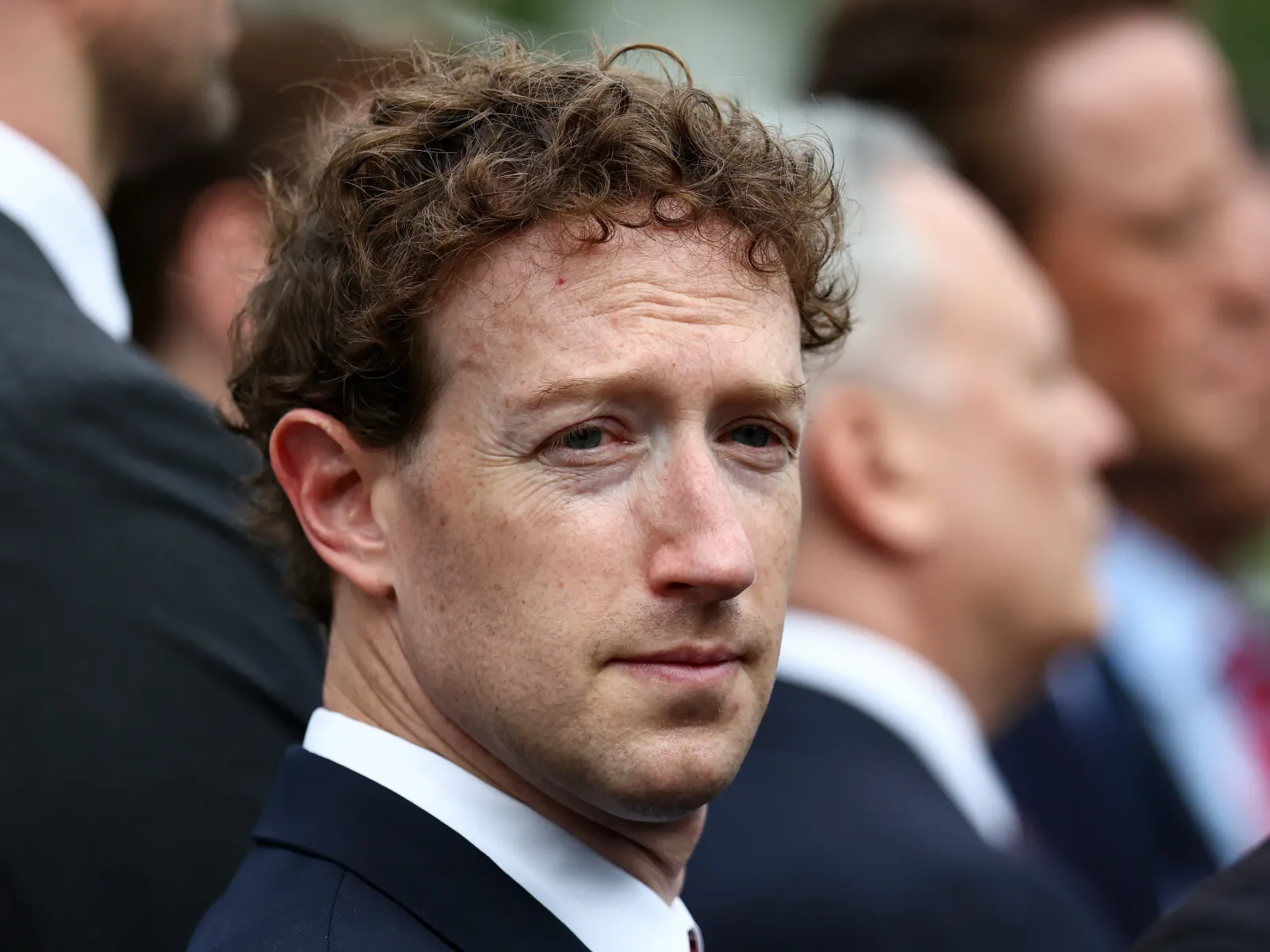
Meta CEO Mark Zuckerberg considered leaving California over a proposed billionaire tax, prompting Meta to create a new stock class that gives him $20B in immediate liquidity. The move shows how tech billionaires are adapting to wealth taxes while keeping control of their companies.
Mark Zuckerberg, Meta's CEO, seriously considered packing up and leaving California over the state's proposed billionaire tax, according to a new SEC filing. The disclosure, made Wednesday, reveals that Zuckerberg told a special committee formed by Meta that he was thinking about moving, and the committee concluded it was 'critically important' for him to stay close to Silicon Valley, especially to Meta's AI division, Meta Superintelligence Labs. The filing is a rare look at how a founder's personal tax situation can shape corporate governance.
Meta's answer is a new class of stock that would hand Zuckerberg $20 billion in 'immediate liquidity' to cover the tax by selling shares without losing control of the company. The filing says the goal is to keep Zuckerberg leading Meta from California, and the new shares won't add to his net worth or increase his ownership percentage. A person familiar with the matter said the total share class is worth $150 billion and is also intended to raise capital, compensate employees, and keep Meta's stock price on track. Meta declined to comment.
Next month, Californians will vote on Proposition 40, a one-time tax on the assets of the state's billionaires. The proposal has already sparked a war chest of opposition from tech elites: Google cofounder Sergey Brin and former CEO Eric Schmidt have poured hundreds of millions of dollars into attack ads against it. Zuckerberg has taken a lower-key approach, but the filing makes clear he's been taking the tax seriously enough to consider a move. The filing showcases how tech billionaires are responding to the tax proposal, with some choosing to fight it publicly and others quietly restructuring their compensation.
Zuckerberg, worth about $240 billion according to Forbes, has deep roots in California, with residences in Palo Alto and Lake Tahoe. But he also has a sprawling portfolio outside the state, including a doomsday bunker in Hawaii, a waterfront mansion in Miami, and a castle in Ireland. That geographic optionality gives him leverage in negotiations with Meta's board, and the new share class is effectively a retention package dressed as a liquidity vehicle. It also underscores the lengths companies will go to keep a founder-CEO in place, especially when that CEO is central to the company's strategic direction.
The structure is notable for what it reveals about Meta's governance. The special committee formed by Meta concluded that keeping Zuckerberg in California is 'critically important' to the company's future, particularly its AI ambitions. Meta Superintelligence Labs is the company's bet on artificial general intelligence, and Zuckerberg's hands-on leadership is seen as essential. The new shares ensure he can sell enough stock to pay the tax without diluting his control, a clever workaround that keeps the CEO tethered to the state. It's a solution that addresses both the tax problem and the retention problem in one stroke.
For other billionaires and boards, this is a template. As wealth taxes gain traction in California and elsewhere, executives with concentrated ownership face a dilemma: sell stock to pay the tax and lose control, or stay and eat the hit. Meta's solution, a new share class with super-voting rights or liquidity features, could become a standard tool for retention. But it also raises questions about whether such structures undermine the spirit of a wealth tax, which is designed to tax unrealized gains. If billionaires can simply create new share classes to monetize without selling, the tax may be less effective than intended.
The filing also signals how seriously Meta is taking its AI race. The company has been spending heavily on AI infrastructure, and the new share class is partly about raising capital for those initiatives. By giving Zuckerberg a way to monetize his stake without ceding control, Meta can keep its founder in the driver's seat while funding its most expensive bets. That's a delicate balance, and one that other tech giants may soon have to replicate as they compete for top AI talent and compute resources.
For now, Zuckerberg remains in California, and the tax vote is still ahead. If Proposition 40 passes, the new share class becomes a lifeline. If it fails, the shares still serve as a retention tool and a capital-raising mechanism. Either way, Meta has signaled that its CEO's physical presence is non-negotiable, and that it will pay whatever it takes to keep him there. The move also sets a precedent for how founder-led companies can navigate the intersection of personal wealth, public policy, and corporate strategy.
This story's Key Insights and Take-aways are locked.
Create a free account to unlock Executive Actions for one credit.
Register to UnlockAlways free for Executives Club members. Join the Club
More in Business

BioWare shuts down, Mass Effect 5 dead after $55B EA buyout
The legendary RPG studio's closure lands months after a $55 billion investment group buyout of EA, raising tough questions for gaming's biggest acquirers.
Musk barred from the room as Tesla, SpaceX boards weigh $3.5 trillion merger
The CEO of both companies is a 'conflicted party' watching independent directors negotiate a tie-up that would create a $3.5 trillion giant he would own about a third of.

Elon Musk just showcased a flying car - and it wasn't at Tesla
The Tesla CEO's latest reveal came at SpaceX, not Tesla, signaling where vertical mobility is headed.