

Nature Index shows shrinking one- and two-author papers as big-team science surges
The Nature Index trend suggests team-size incentives are reshaping how research gets credited, funded, and measured.
By Maha Al-Juhani·· 3 min

Curating from trusted global sources…
Curated from trusted global sources, refined into briefing-grade analysis with executive summaries, insights, and bullet-point takeaways.
The Nature Index trend suggests team-size incentives are reshaping how research gets credited, funded, and measured.

A new plant-genome editing method removes a long-standing bottleneck, unlocking bigger genetic “plug-ins” for future crop traits.

A new exhibition in Budapest turns skulls into hyperrealistic people, raising questions about what science can and cannot know.
A University of Tartu-led study pinpoints the first time marine animals moved into abandoned mollusk shells.

NASA confirms the spacecraft is in good health and will resume transmitting data with an 8-hour-52-minute delay.
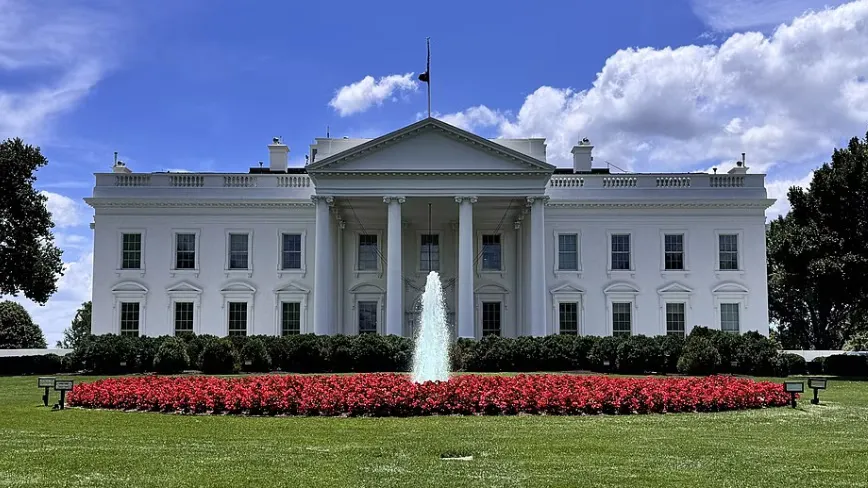
The White House-backed, Energy Department-led AI research push is the biggest federal science overhaul in 80 years.
A transmissible tumor has been found deep in a lake, and the twist is fish, not mammals.

A 2-million-mile radar anomaly and follow-up telescopes reveal hidden outgassing, changing how impact orbits get predicted.

A ribbon-cutting at Langley brings Flight Dynamics Research Facility capacity back to aeronautics testing, with new policy and RSVP rules.
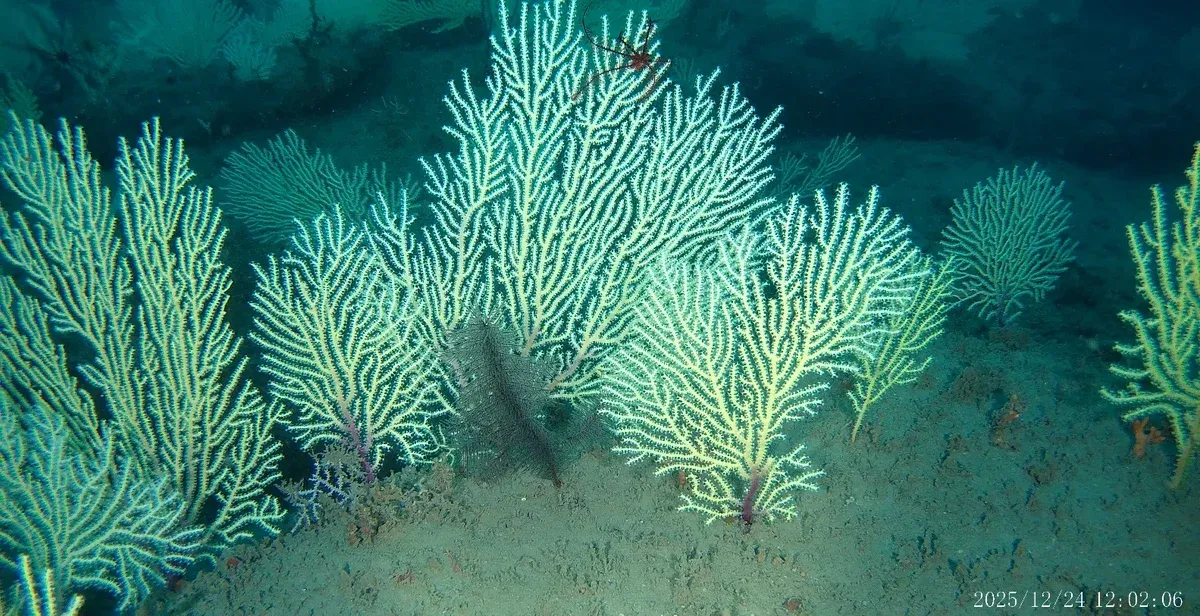
A rediscovery in the Gulf of Guinea is new evidence that coral ecosystems can rebound, even under stress.
A new Cell Host & Microbe study shows how hidden RNA controls help bacteria “pause” under antibiotics and immune pressure.
A fungus from Asia nearly erased the American chestnut. New genetic approaches are now trying to restore it.