
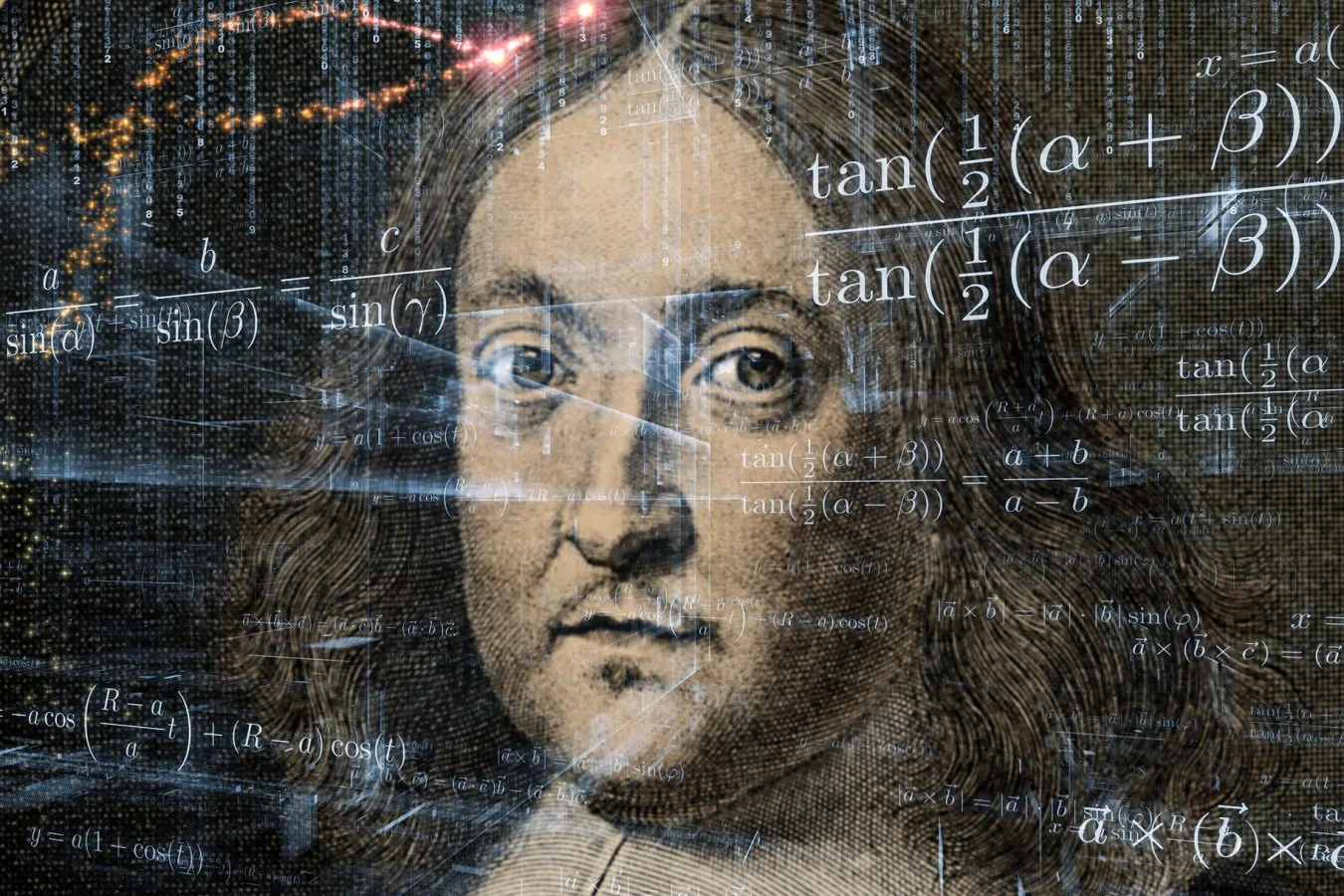
AI helped mathematicians formalize Fermat’s last theorem faster than expected in London
What happened at a London event suggests AI may accelerate proof-checkable math, with spillovers for research workflows.
By Omar Al-Balawi·· 3 min

Curating from trusted global sources…
Curated from trusted global sources, refined into briefing-grade analysis with executive summaries, insights, and bullet-point takeaways.
What happened at a London event suggests AI may accelerate proof-checkable math, with spillovers for research workflows.
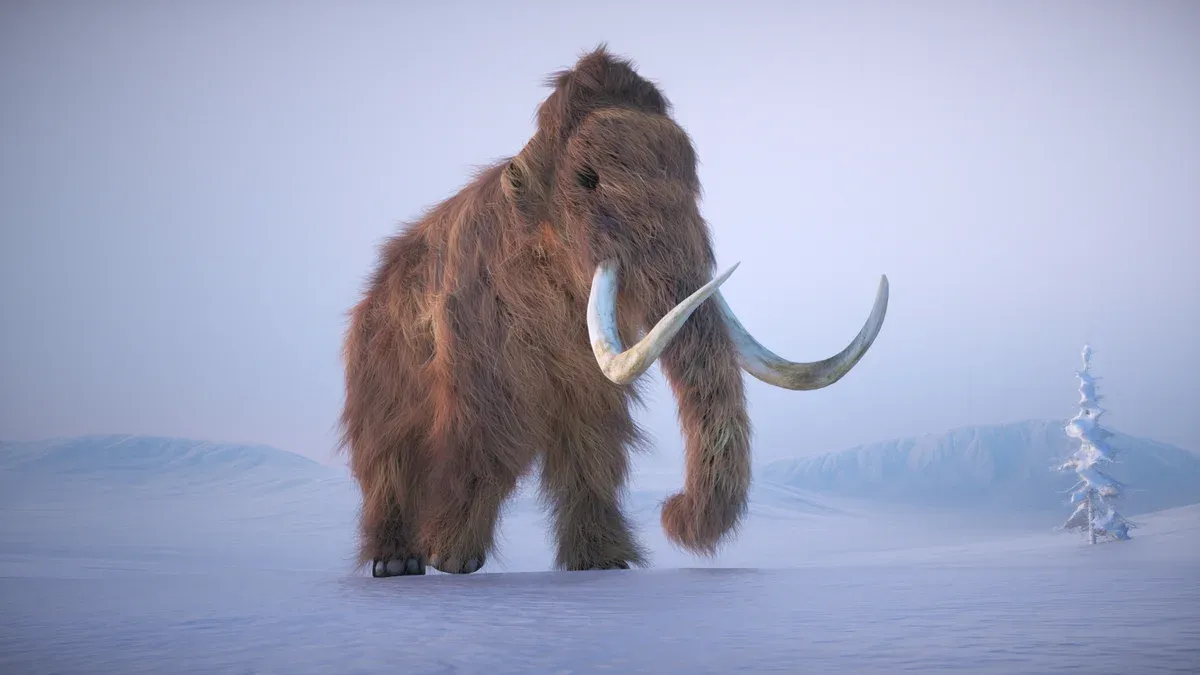
Reviving extinct animals is colliding with a deeper debate about what “nature” should mean, and who gets to decide.

Why a moon needs the right size and alignment, and what that means when you look beyond Earth.

A near-invisible neutrino background signal from 13 billion years of explosions edges toward confirmation, guiding what we can learn about stellar deaths.

The Higgs “God particle” leader Fabiola Gianotti is set for “The Mysterious Particle,” directed by Stefano Mordini.

Researchers suggest 'dark' comets with tails could decode an interstellar visitor and hint at how Earth became livable.

New radio observations help researchers time the internal motion inside infant stars, narrowing what likely triggers collapse.

Reusable rockets may finally turn Chinese satellite launches from “promising” into “predictable,” reshaping pricing and scheduling.

A 1980s Hell's Kitchen gang war gets a standout duo performance that makes MGM+ look less like background noise.
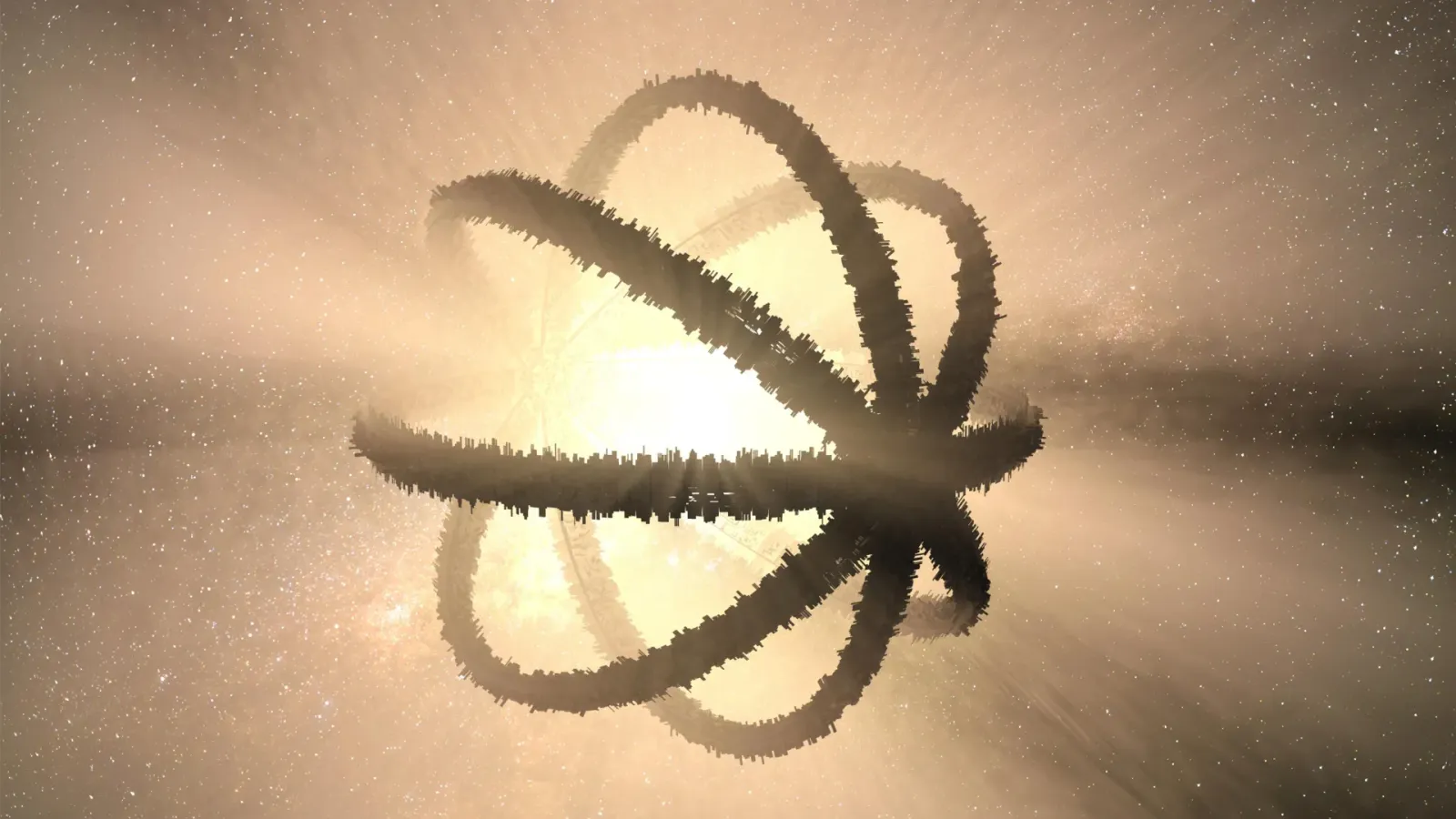
New research points astronomers to infrared glow, dustless spectra, and odd flicker patterns as the tell.
A new genetic read on 16th century remains changes what people thought happened and shows how evidence can outmuscle legend.

NASA says a new NISAR urgent response process mapped surface displacement fast enough to aid disaster response, revealing fault-slip details.