
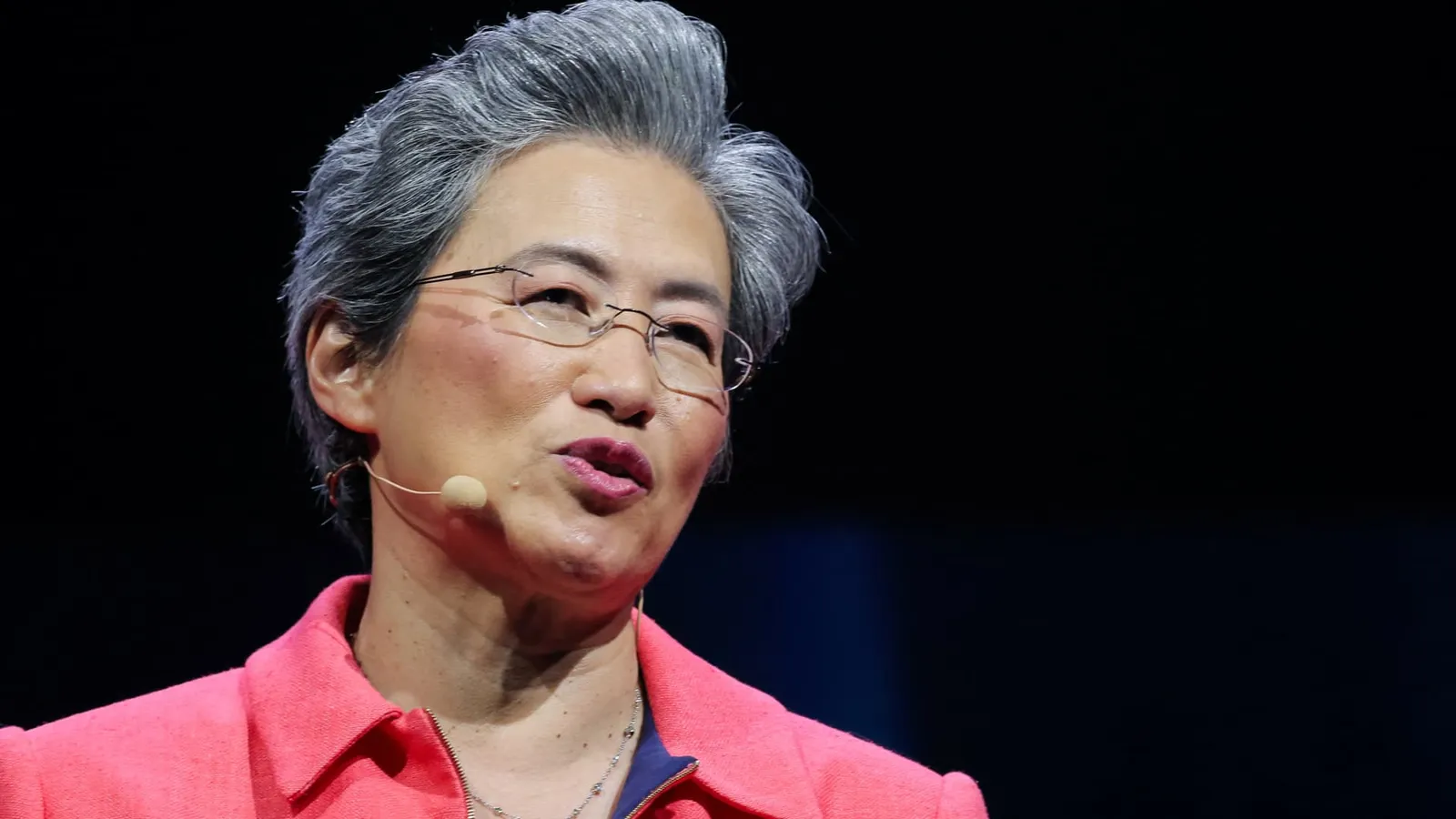
AMD’s Helios launches to take on Nvidia, with Microsoft joining Meta, OpenAI, Oracle
AMD’s first rack AI system adds Microsoft as a new buyer, sharpening the GPU arms race against Nvidia.
By Omar Al-Balawi·· 3 min

Curating from trusted global sources…
Curated from trusted global sources, refined into briefing-grade analysis with executive summaries, insights, and bullet-point takeaways.
AMD’s first rack AI system adds Microsoft as a new buyer, sharpening the GPU arms race against Nvidia.
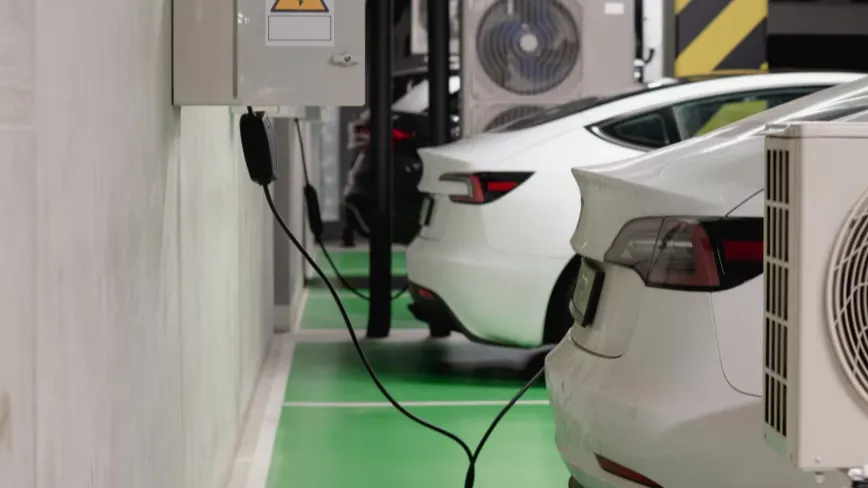
Germany’s Federal Motor Transport Authority shows battery-electric vehicles hit 28.4% share, forcing a new fuel reality.

The air-taxi future is getting defense-adjacent, and decision-makers should treat it as more than a product reveal.

A non-invasive brain-computer interface uses SSVEP flashing targets to convert intentions into commands, fast enough to game.

The platform says some access tokens and internal materials may be affected, and users should act now to limit damage.
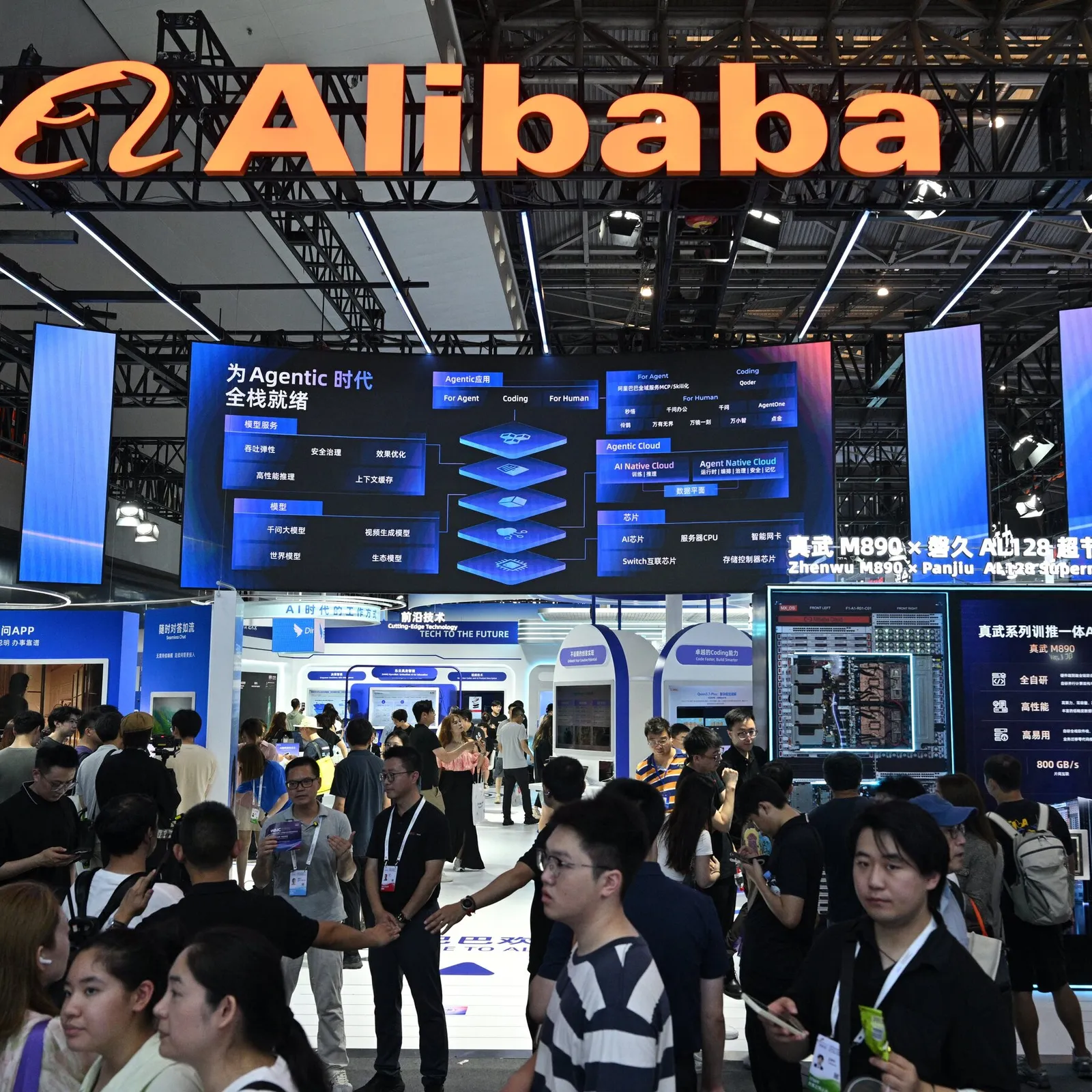
Rapid Chinese model progress is forcing American AI leaders to defend costs, timelines, and capacity before next earnings updates.
A new leak surfaces rumored specs for Samsung's next Ultra smartwatch and hints at where the upgrade battle is really heading.
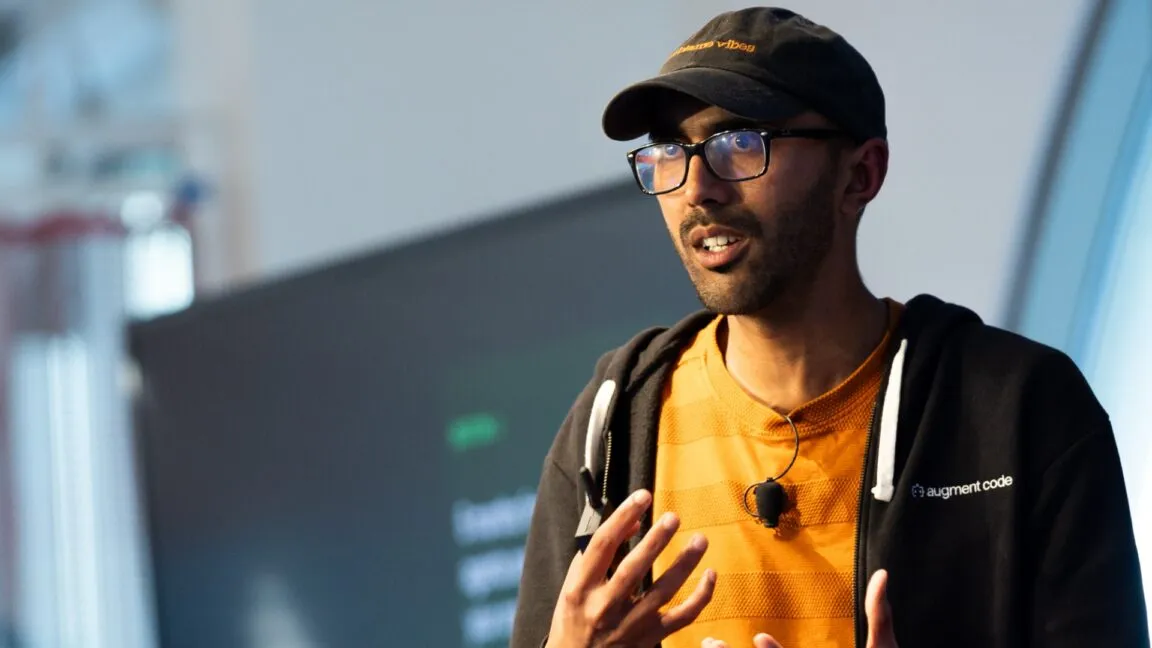
Vinay Perneti and Cat Wu explain why the software around models determines real-world coding results.

A fresh Qwen preview at Shanghai's AI conference packs a market-moving claim. Here is what it signals, and what it doesn't.

Their launches, including Moonshot's Kimi K3 on Friday, tighten the AI lead that security and industry depends on.
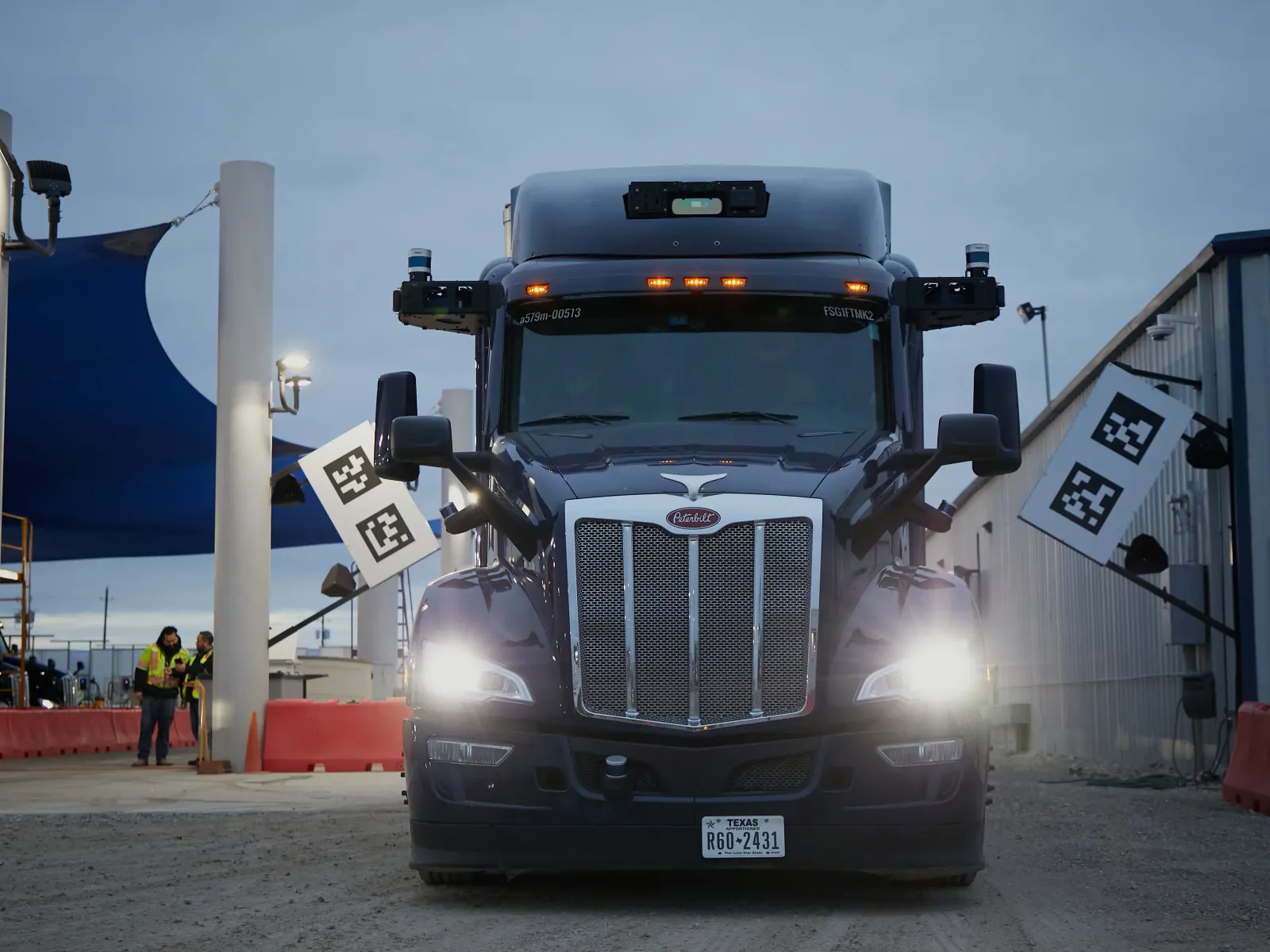
Hiring signals show AI moving from “engineer work” into sales, HR, legal, support, education, healthcare, and even trucking.

Rest of World reports AI is helping solo developers ship faster, while writers, artists, and junior programmers struggle to stay in the loop.