
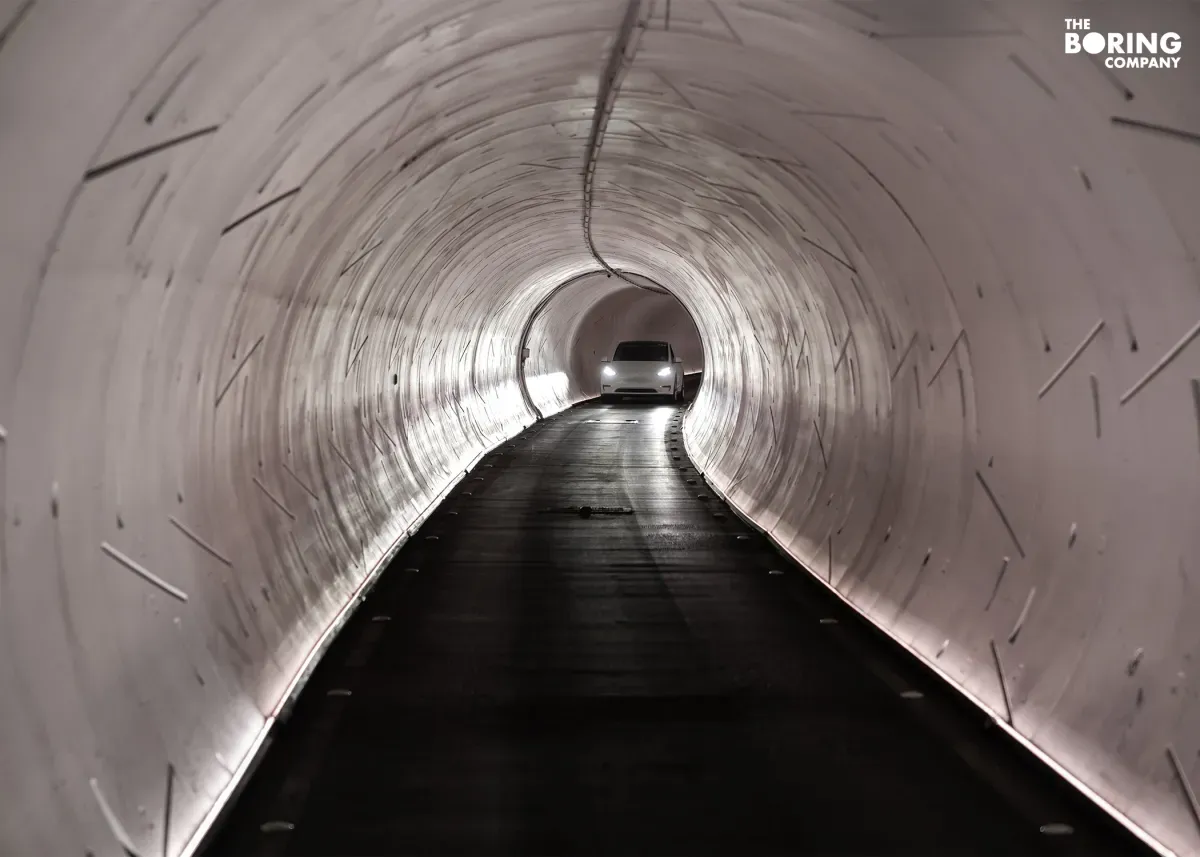
Boring Company reportedly seeks funding at $20B valuation in fresh round talks
A reported $20 billion valuation puts Elon Musk's tunneling bet into the same capital conversation as major infrastructure plays.
By Mohammed Al-Shehri·· 3 min

Curating from trusted global sources…
6 briefings · “Infrastructure”
A reported $20 billion valuation puts Elon Musk's tunneling bet into the same capital conversation as major infrastructure plays.
Fontaines D.C.’s drummer builds an independent label and record store with Richter Collective’s Michael Roe and Faction’s Ken Allen.

A $1 billion funding push for Naver’s expanding South Korea AI infrastructure ties global chip demand to local compute capacity.

France mobilizes an air asset as wildfires spread toward Bordeaux, raising near-term risks for infrastructure, response capacity, and costs.

Kuwait Petroleum Corp commits to a landmark lease and leaseback, reshaping long-term infrastructure financing and cash flow planning.
A massive Google-SpaceX compute deal lands just a week before SpaceX’s IPO, signaling demand and leverage shifts in space infrastructure.