

France deploys military plane as wildfires near Bordeaux threaten evacuations and services
France mobilizes an air asset as wildfires spread toward Bordeaux, raising near-term risks for infrastructure, response capacity, and costs.

France is deploying a military plane as wildfires spread toward Bordeaux, according to France 24. For decision-makers, the move signals escalating operational risk and potential knock-on effects for public services and regional economic activity.
Wildfires are spreading toward Bordeaux, and France has started using military aviation to push back as the situation moves closer to a major population and economic hub. France 24 reports that France deploys a military plane as the blazes advance toward the city. That detail matters because it usually signals an “ordinary response is not enough” phase, where governments bring in additional capacity fast, even if it is more expensive or more complex to coordinate.
In practical terms, the military plane is being used because the fire line is no longer a distant, manageable problem. It is close enough to a key region that authorities need more fire suppression capability and more rapid coverage than ground-only teams can always provide. The headline is not just telling you something is burning. It is telling you the risk envelope has expanded toward Bordeaux, meaning evacuation readiness, road and transport continuity, and the ability to keep critical services running are now in the crosshairs.
To understand why executives should care, think about what happens when large-scale wildfire response ramps up. Even when the underlying threat is “just nature,” the response is a heavy logistics operation involving people, equipment, weather monitoring, and communications. When a state decides to deploy a military plane, the government is effectively paying for time. Time matters because wildfire conditions can change quickly, with wind, humidity, and temperature shifting the fire’s speed and direction. The closer the fire is to populated areas, the less slack emergency planners have.
There is also a governance angle. In most countries, fire response starts with civil agencies, then scales up through interagency coordination. Military assets typically come later, once local and regional resources are saturated or the threat level increases. France deploying a military plane, as France 24 reports, is a signal to mayors, prefectures, and operators of regional infrastructure that the center of gravity is shifting. Expect tighter control over airspace coordination, stricter access rules near affected zones, and more urgent coordination across transport, utilities, and public communications.
Second-order effects are where boards and C-level teams earn their keep. When wildfire smoke thickens and roads and rail can face disruption, business continuity planning gets tested immediately. Even if your company is not in the direct evacuation zone, nearby operational constraints can ripple: staffing disruptions due to evacuations, supply chain delays if routes become unsafe, and additional costs if facilities need protective measures. In energy and logistics, wildfire response can also affect scheduling, maintenance windows, and worker travel.
Another second-order issue is reputation and regulatory scrutiny. Public statements and readiness actions around emergency response are later turned into official reports, audits, and policy changes. If the situation worsens, decision-makers can face pressure about whether resources were deployed early enough, and whether the command structure worked under fast-changing conditions. If the situation stabilizes, leaders still face follow-on questions about preparedness gaps and whether more mitigation is needed before the next season.
Finally, this is a reminder that wildfire risk is not only a “seasonal background hazard” anymore. For executives across Europe, it is increasingly a continuity problem that intersects with urban planning, infrastructure resilience, insurance economics, and workforce availability. A military plane deployment near Bordeaux, as France 24 reports, is a concrete datapoint: when fire approaches major regions, governments treat response capacity as a strategic asset, not just a public service function. The stakes are simple. The faster and more effectively authorities can protect people, infrastructure, and mobility, the smaller the downstream damage to regional economies and national budgets.
This story's Key Insights and Take-aways are locked.
Create a free account to unlock Executive Actions for one credit.
Register to UnlockAlways free for Executives Club members. Join the Club
More in Politics
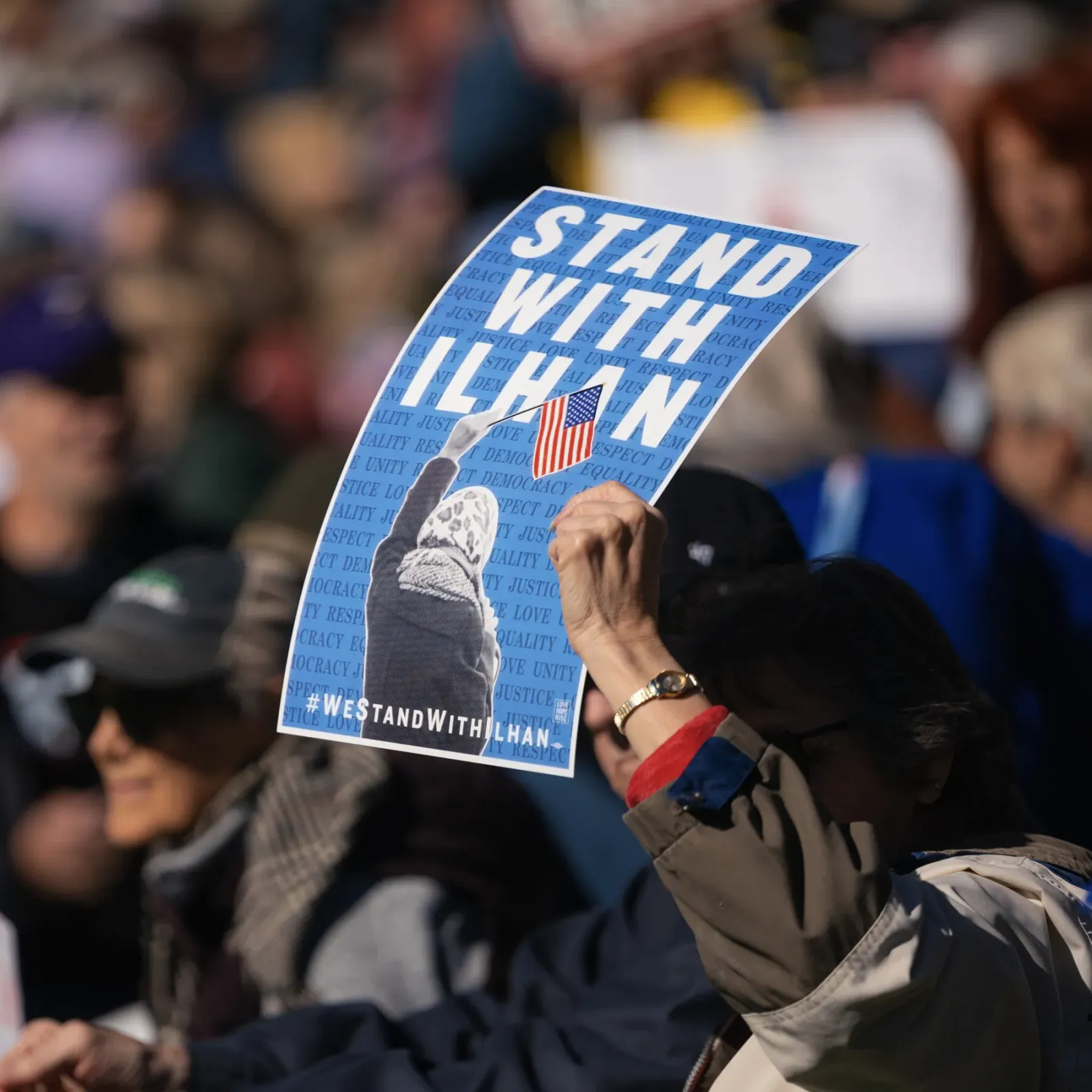
Obama Defends Ilhan Omar After Agents Search Her Home in Trump Inquiry
The former president's intervention raises the stakes in a federal probe into immigration paperwork that has put a prominent progressive lawmaker in the crosshairs.

Blair-era minister: cut welfare to fund youth job support
Alan Milburn's call for welfare cuts to fund employment support opens a Labour fight over benefits and the Neet crisis.

Hot September CPI: energy costs surge, voters feel the squeeze before midterms
The latest inflation print lands as Trump campaigns for GOP control of Congress, putting cost-of-living worries at the center of the midterm fight.