University of Arizona shows graphene nanoribbons survive gamma radiation for fusion sensing
Gamma radiation tests point to a sturdier sensor path for fusion reactors, helping shrink a major grid-readiness hurdle.
By Reem Al-Dosari·· 3 min

Loading briefings
Pulling the latest in this topic…
Research, space, health, climate, discovery
558 briefings briefings in Science
Gamma radiation tests point to a sturdier sensor path for fusion reactors, helping shrink a major grid-readiness hurdle.
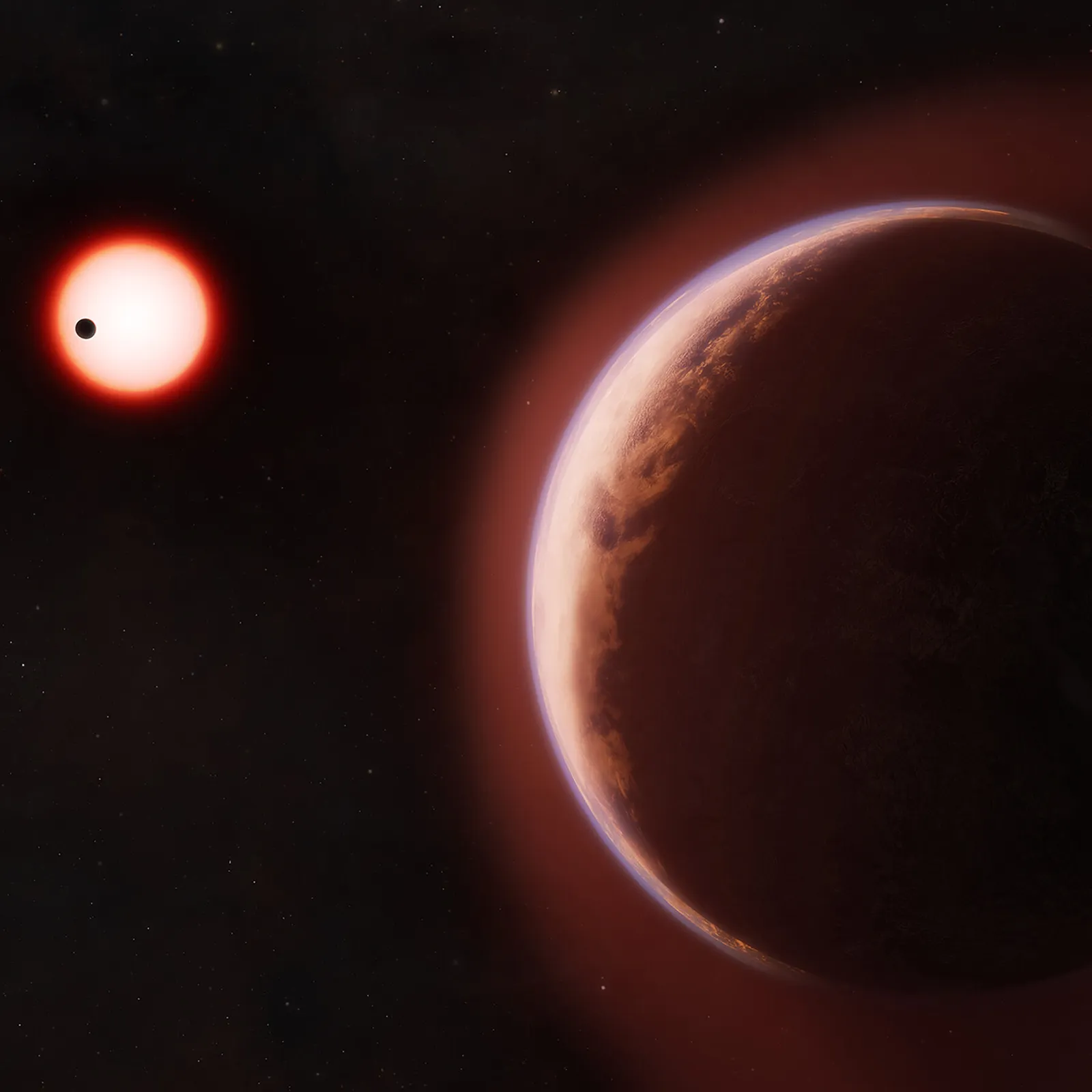
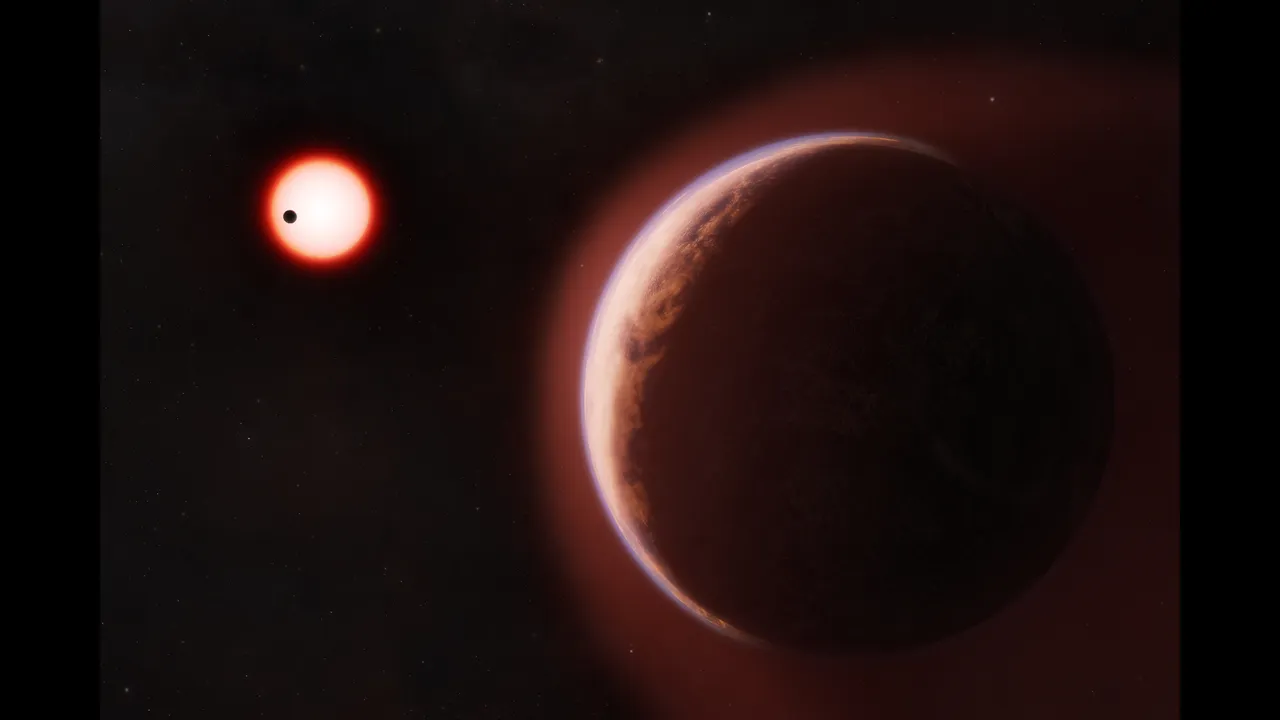
The finding makes it the first potentially habitable planet known to host an atmosphere, moving it to the top tier.
A 2,400-year-old ritual object was deliberately broken in a culture that burned its own buildings and then vanished.
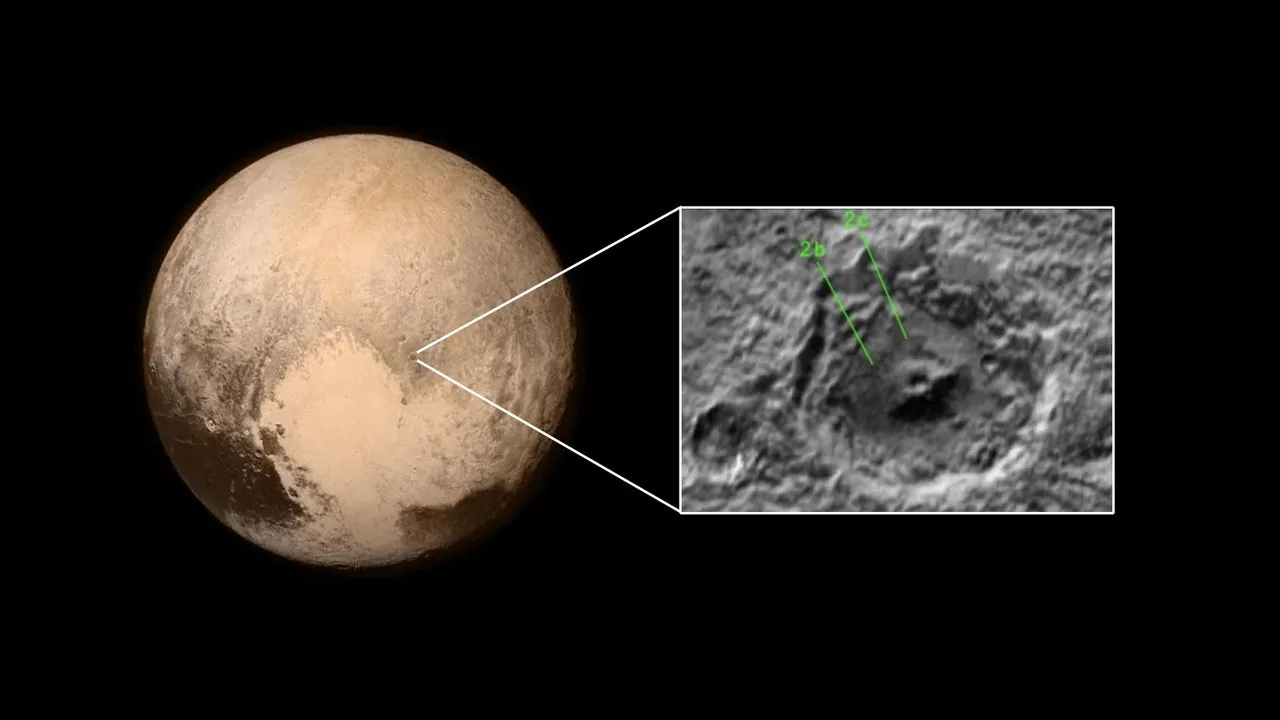
A NASA imaging analysis of Pluto’s Sputnik Planitia shows six landslides, proving the dwarf planet is still geologically alive.
The Nobel physicist team used Claude to turn a decade-old jamming relation into a publishable proof in Journal of Statistical Mechanics.
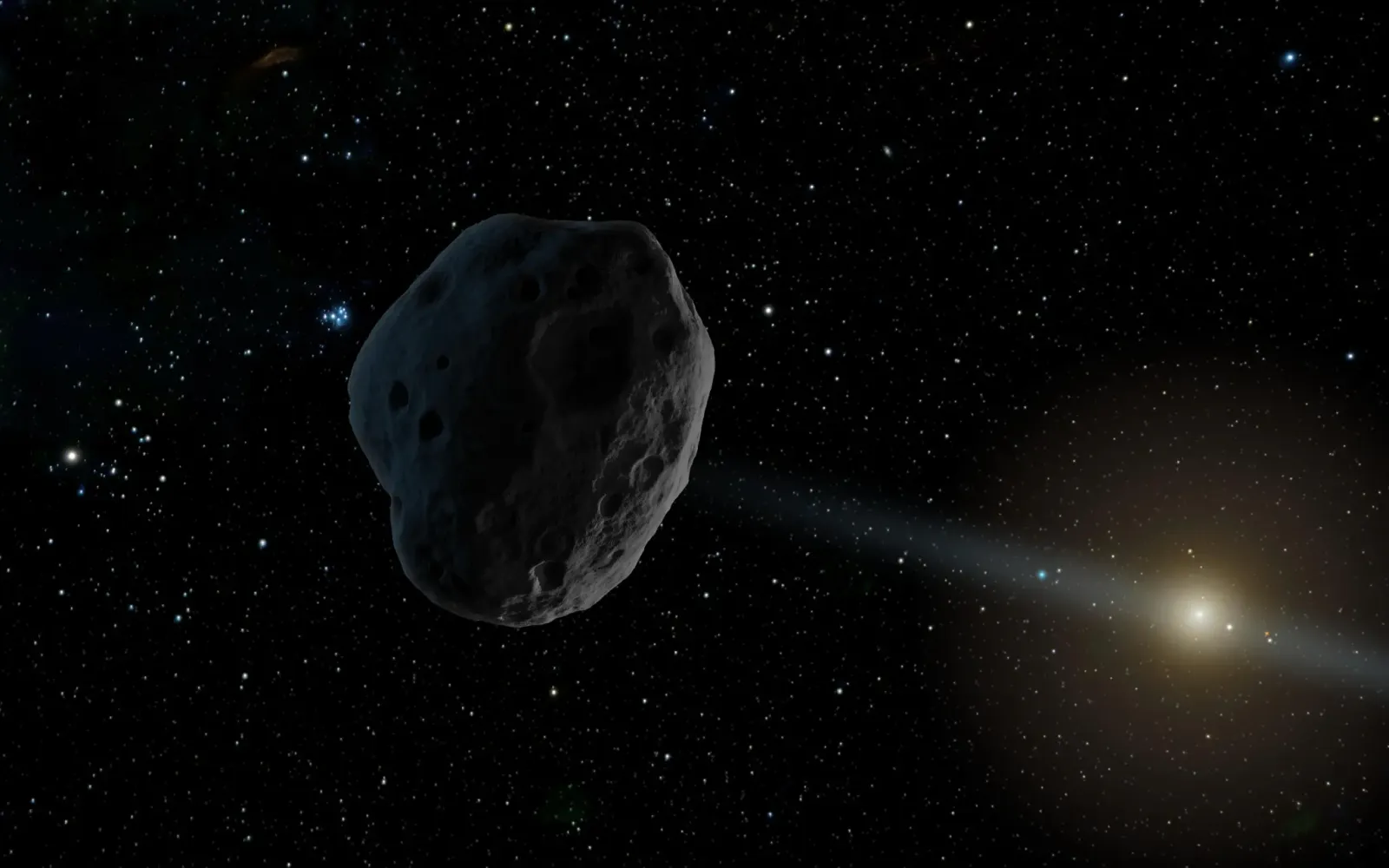
Precise tracking showed nongravitational motion, and new telescope images captured a weak tail.
A confirmed rocky-atmosphere discovery at 49 light years shifts exoplanet life searches from hints to evidence and accelerates the next funding cycles.
Helium loss from a rocky exoplanet around LHS 1140 lets scientists infer the remaining atmosphere after billions of years.
This first detection gives the best evidence yet that Earth-like, potentially life-supporting worlds exist beyond our solar system.
A prostaglandin pathway breakdown let EP2 sabotage macrophage cleanup; targeting it improved ageing outcomes in mice.
Strontium isotopes and teeth DNA show where at least 150 children lived before the Royal Navy freed them.
A first for rocky exoplanets: direct atmospheric helium evidence, plus the added pressure of habitability questions.