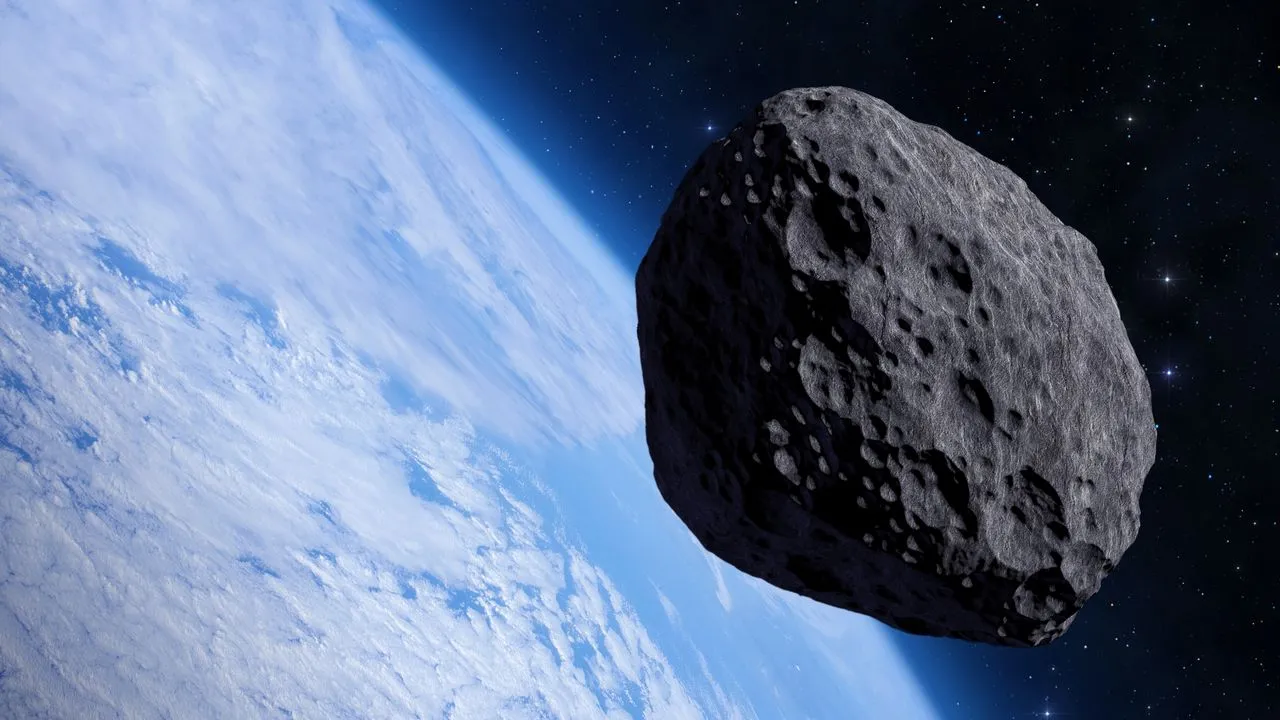
Apophis 2029: New maps say up to 7.6 billion could spot the naked-eye asteroid
A “once-in-a-millennium” flyby on April 13, 2029 turns planetary defense into a global public science event, not a niche one.
By Hessa Al-Faleh·· 4 min

Loading briefings
Pulling the latest in this topic…
Research, space, health, climate, discovery
534 briefings briefings in Science
A “once-in-a-millennium” flyby on April 13, 2029 turns planetary defense into a global public science event, not a niche one.
The biologist’s “energetic view of life” links cells, health, and experience, grounded in how mitochondria run biology.
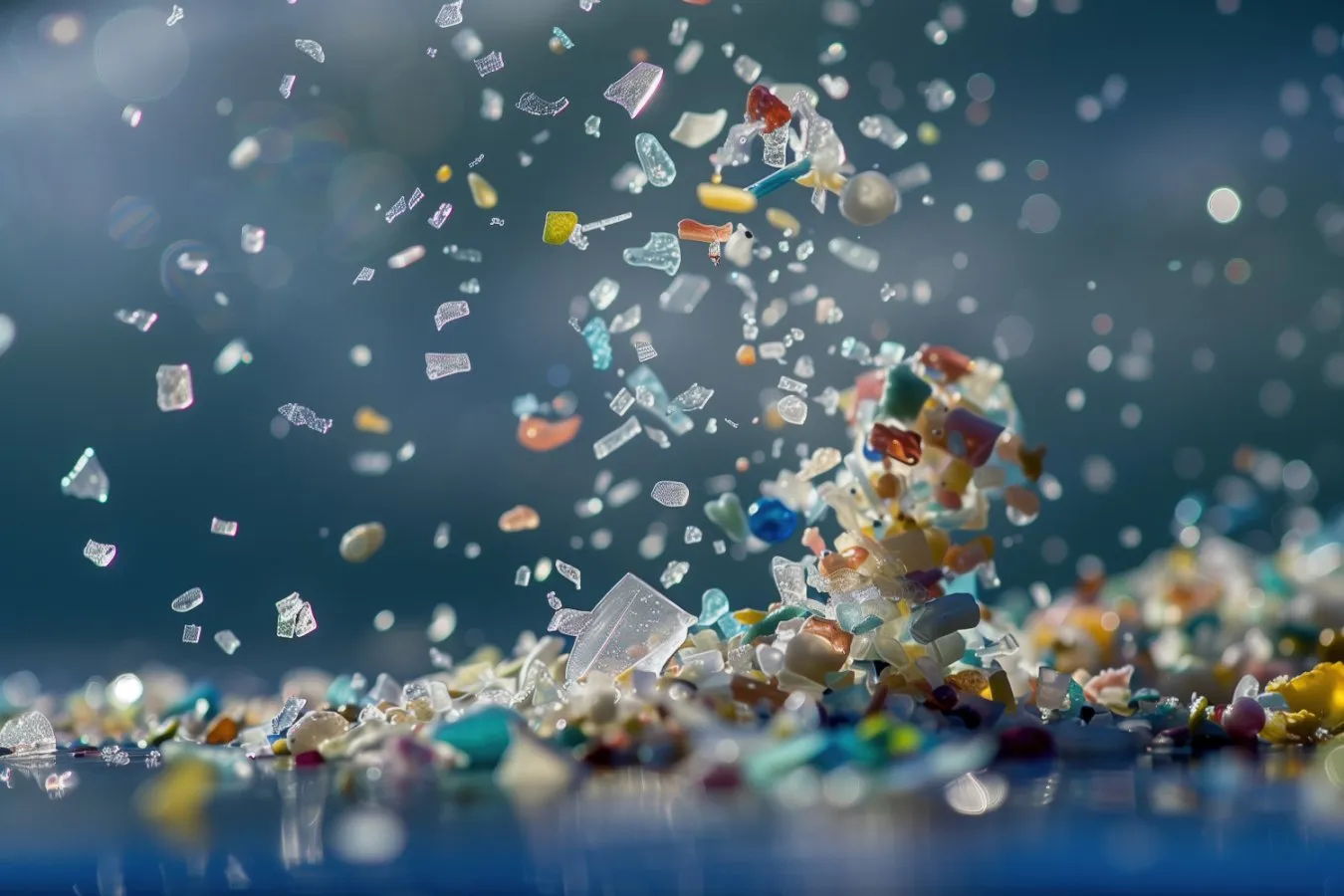
A microbiome-style approach could change how we think about microplastic uptake and downstream health risk.
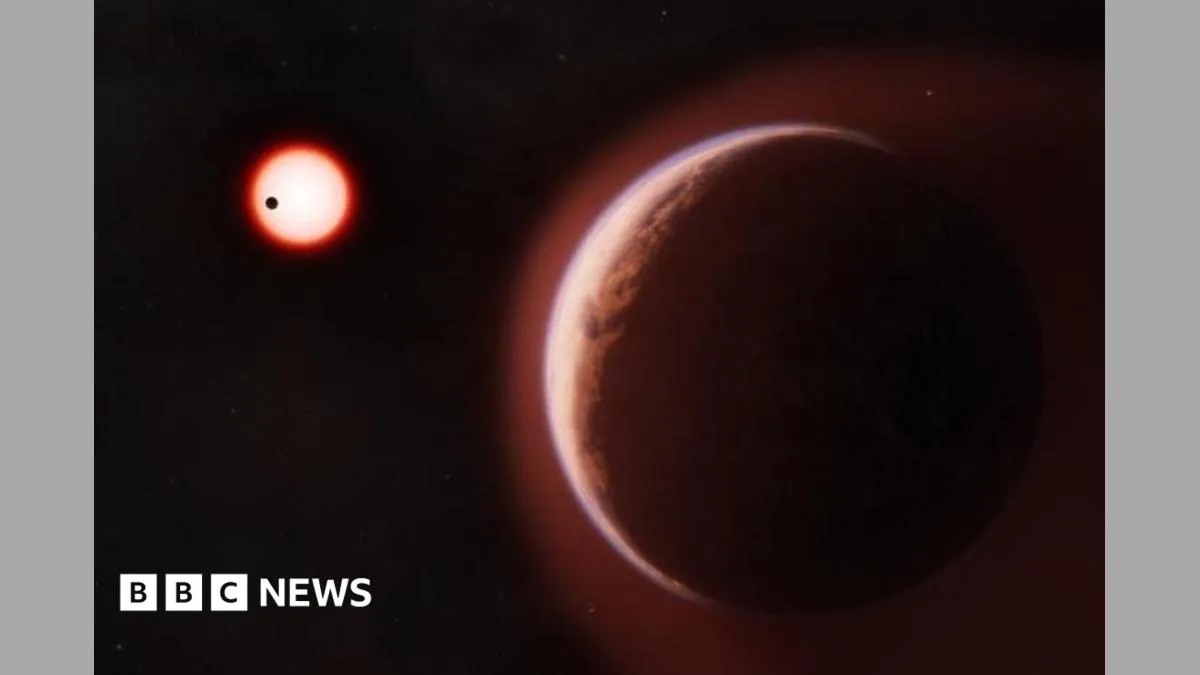
A new Earth-like discovery sharpens the roadmap for future telescopes, funding, and standards for what “habitable” really means.
A study of 225 newborns ties before-birth estrogen exposure to brain-size proxies for boys, reshaping how researchers model development.
A fresh look at a secretive predator in two islands helps decision-makers understand what conservation and data gaps hide.
A new report says we can connect weather damages to climate change with higher confidence, but legal risk is rising.
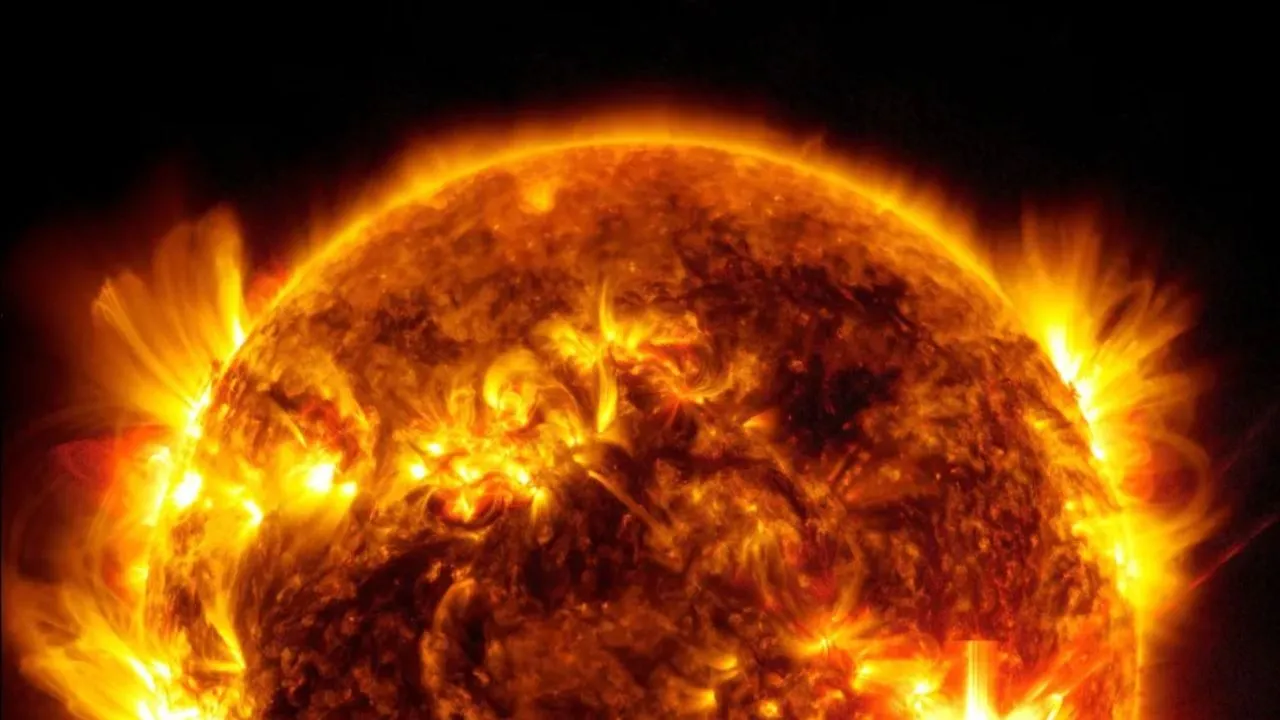
New Nature research suggests the apparent ceiling on Earth’s space-weather response is measurement bias, not physics.
A rare pair of ultralow-density planets gives astronomers fresh clues about how gas giants assemble, step by weird step.
There is no test for perimenopause, and rushing to hormone therapy can backfire in ways that matter.
A lab study finds common sweeteners can directly reshape gut microbes, especially when mixed with meds and caffeine.
The Killers frontman’s new single is the second preview of solo album ‘Thrasher’ and a pointed cultural counterpunch.