NASA’s OCHMO builds a VTE Risk Score algorithm after altered astronaut blood flow data
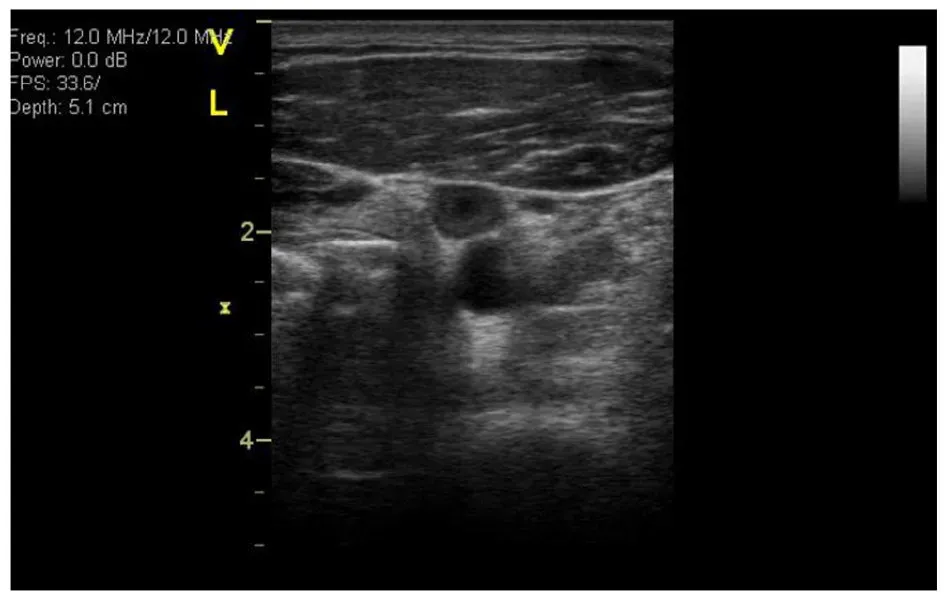
A new working group conclusion turns stasis and retrograde flow into prophylaxis triggers, weighted from terrestrial literature.
By Yousef Al-Zahrani·· 3 min

Loading briefings
Pulling the latest in this topic…
Research, space, health, climate, discovery
522 briefings briefings in Science
A new working group conclusion turns stasis and retrograde flow into prophylaxis triggers, weighted from terrestrial literature.
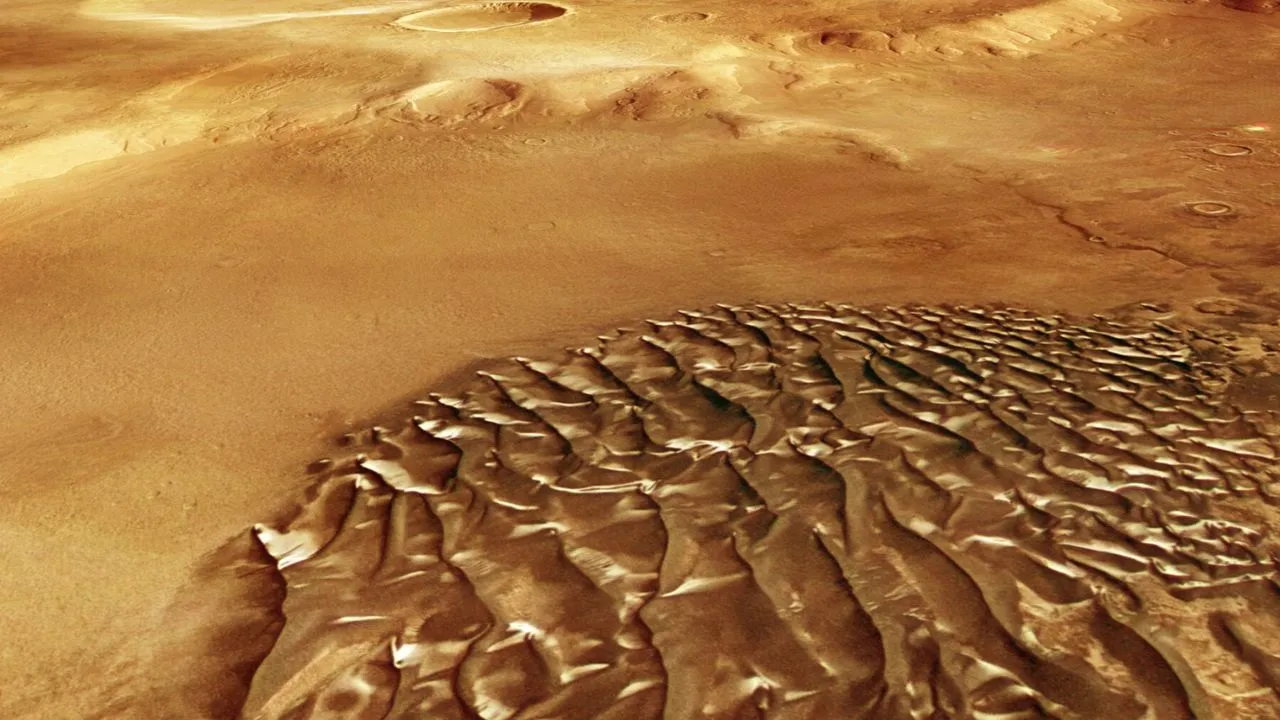
Kaiser Crater’s chrome waves are dark basaltic sand, winter dry ice, and light tricks that rewrite how Mars moves air.
Herbularyo turns traditional medicinal plants like tawa-tawa and aloe vera into gameplay, tying folklore to science.
Decision-makers have hard deadlines to cover Nancy Grace Roman's Falcon Heavy liftoff from Kennedy.
Here’s the exact weekly plan for catching Perseid shooting stars before moonlight muddles the best night.
Researchers narrowed the 66-million-year-old impactor’s composition using advanced nickel isotope analysis, with Science Advances as the paper.
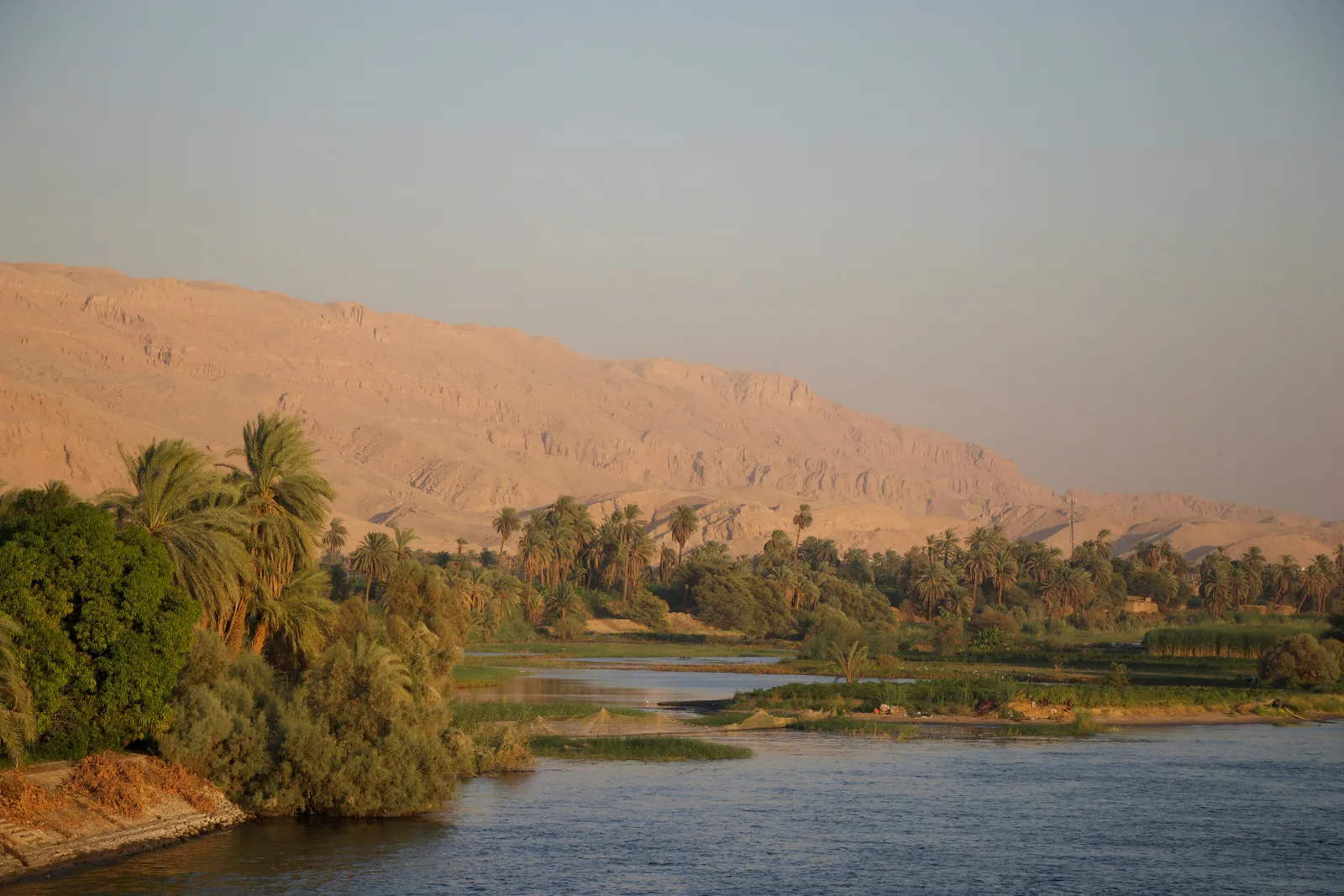
Study compares Belgium and African rivers: microbial oxidation reduces methane, yet falls short against rising emissions and nitrate pollution.
Preprint research shows RNA can build large 3D structures, raising fresh questions about what RNA in the first Earth could actually do.
CMS researchers used dijet lead-lead collisions to disentangle jet wakes, promising precision about the early universe.
Executives need to treat wildfire air like a risk event, not background noise, and plan accordingly for employees.
New evidence identifies where the most energetic particles in the Milky Way come from, reshaping how scientists model high-energy astrophysics.
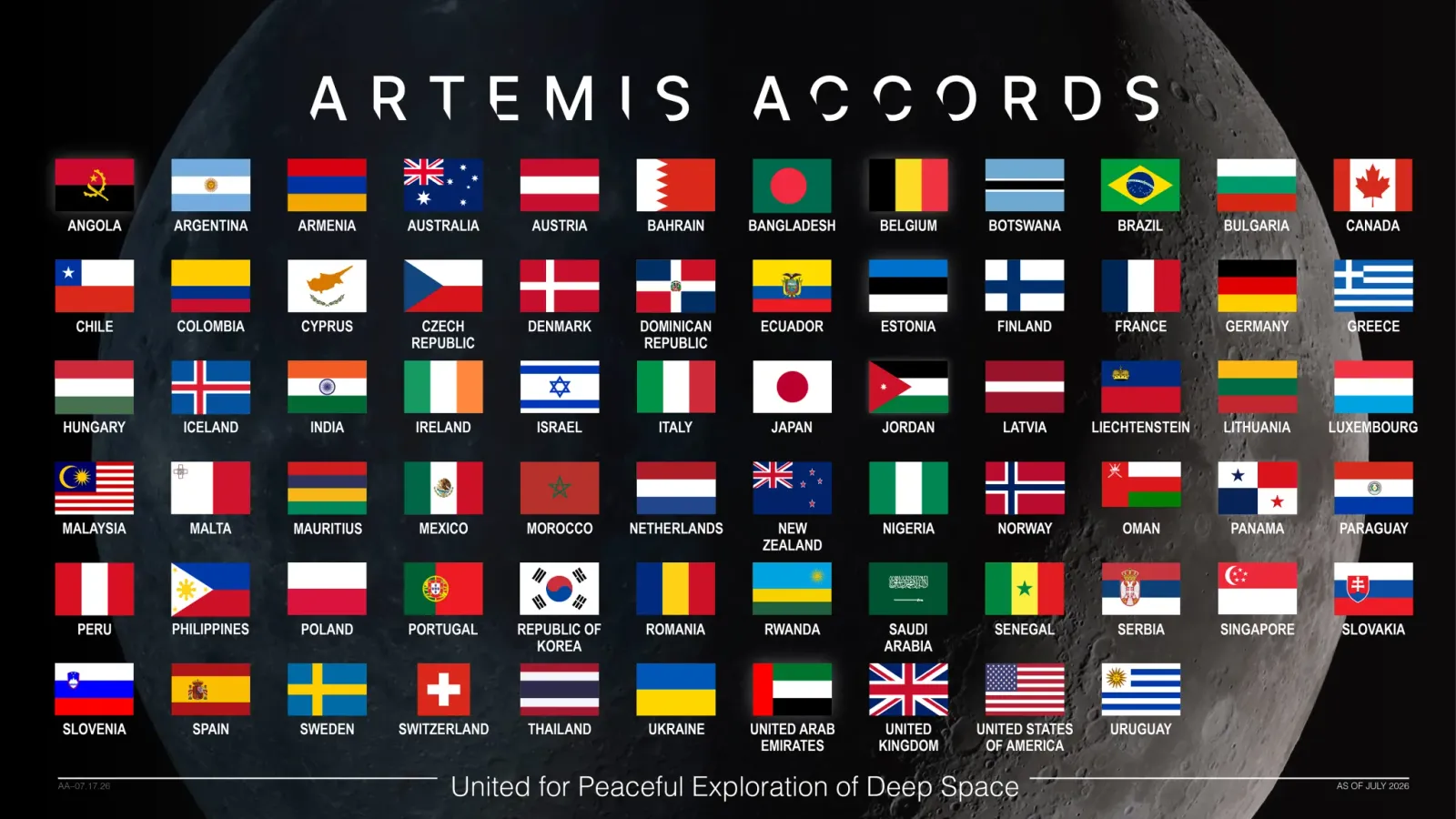
A seventh African country joins the coalition, with NASA pointing to Apollo to Artemis navigation roots in Mauritius.