

1,500 economists brand extreme inequality 'a policy choice that can be reversed'
Ahead of the UN general assembly, 1,500+ experts from 100+ countries back a new panel to fight extreme inequality - and put the fix on leaders.

More than 1,500 economists and academics have signed an open letter backing a new International Panel on Inequality ahead of the UN general assembly, framing extreme inequality as 'a policy choice that can be reversed.' The move puts pressure on governments to act and signals to businesses that policy debates over wealth distribution are set to intensify.
More than 1,500 academics and economists from over 100 countries have signed an open letter urging global leaders to join an initiative against extreme inequality, calling the growing gap between richest and poorest 'a policy choice that can be reversed.' The letter, revealed ahead of the UN general assembly in New York next week, backs the establishment of the International Panel on Inequality (IPI). For business leaders, the opening line is the whole ballgame: the letter frames the economy's distribution not as a force of nature, but as a set of decisions made in government buildings. If enough leaders accept that logic, the baseline assumptions behind corporate tax planning, wage structures, and market access start to shift.
The sheer scale of signatories - 1,500-plus experts from 100-plus countries - is the story. It is one thing for a few Nobel laureates to opine; it is another for a global cross-section of the profession to put their names on a single document. The letter does not prescribe a specific remedy, nor does it list policy demands. Instead, it asks leaders to join an initiative and to stand up a panel that would presumably provide ongoing research and recommendations. The timing, immediately before the UN general assembly, is a deliberate attempt to force the issue onto the highest diplomatic stage.
The phrase 'a policy choice that can be reversed' is a provocation aimed squarely at the status quo. It rejects the inevitability thesis that inequality is a natural byproduct of technological change or globalization. If inequality is a policy choice, it can be unchosen. That logic opens the door to policy options ranging from wealth taxation to minimum wage floors to corporate governance rules - though the letter itself names none of them. This is both a strength and a limitation: it unites a broad coalition while leaving the hard details for the IPI to settle.
For context, the IPI would enter a crowded field. The UN has its own Sustainable Development Goals, the OECD produces an annual tax revenue breakdown, and the World Economic Forum tracks global risks. Yet no dedicated international panel exists to systematically track inequality and translate it into actionable policy guidance. The name echoes the Intergovernmental Panel on Climate Change, the body that has documented climate science for the world's governments. The letter does not explain whether the IPI would share that model, but the parallel is hard to miss.
Executives in the audience should not misread this as a fringe petition. The number of signatories guarantees it will be cited in policy debates for months. The letter does not enumerate the policies a reversal would require, but its existence makes it impossible to argue that economists are unaware of or untroubled by the gap. That alone raises the cost of inaction for governments and shifts the burden of proof onto those who defend the status quo.
For the private sector, the most immediate consequence is reputational. Companies already track environmental, social, and governance metrics, and inequality is a natural fit under the 'S' pillar. If the IPI gains traction, its findings could feed investor ratings, shareholder proposals, and customer expectations. The board conversation might then move from broad statements about fairness to specific metrics - pay ratios, outsourcing models, executive rewards - that the panel's data would illuminate.
The deeper strategic stake is about the future of globalization. By framing inequality as a policy choice, the signatories offer an off-ramp: deliberate, coordinated action instead of a spontaneous backlash against institutions. For global companies, the letter is an early marker that the intellectual foundations of the current economic order are being re-examined. Whether the IPI becomes a permanent UN fixture or fades into a footnote, the question has been moved from 'is inequality a problem?' to 'what would a reversal cost and who would pay?' That is a question every board will eventually have to answer.
This story's Key Insights and Take-aways are locked.
Create a free account to unlock Executive Actions for one credit.
Register to UnlockAlways free for Executives Club members. Join the Club
More in Business

Royal Caribbean just spent $3B to own half of Sandals
The cruise giant is buying a 50% stake in the all-inclusive resort chain for $3 billion, a bet that land-based vacations are the next growth engine.

Paramount's Ellison: Merger Clearance Done, WBD Deal by Oct 1
David Ellison says the Paramount-WBD merger has full clearance after settling with state AGs, clearing the path for an October 1 close.
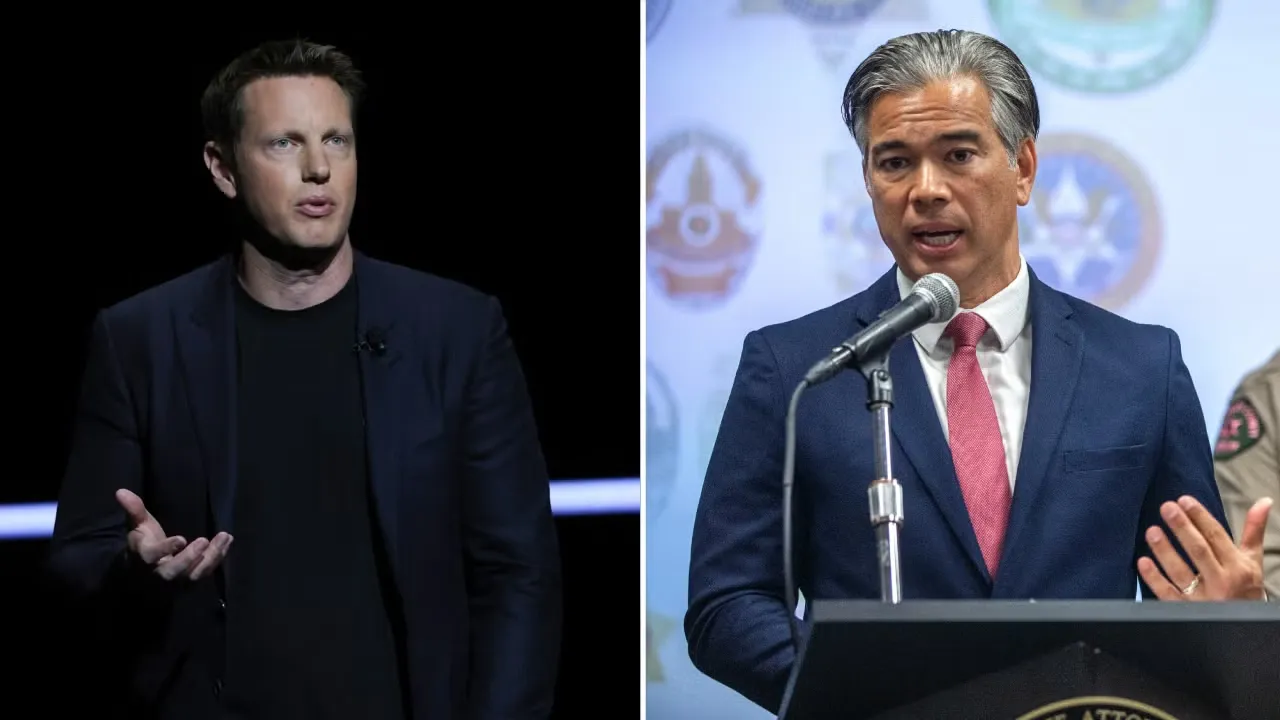
Paramount settles with 12 states, $110B Warner merger clears final hurdle
David Ellison's studio avoids a March trial and a $7M-a-day ticking fee by settling with state AGs over local job losses.