
1X Technologies’ NEO bot can use an Xbox controller and unzip hoodies, but needs VR pilots
The $20,000 household robot is less autonomous than advertised, raising new questions for buyers and boards.
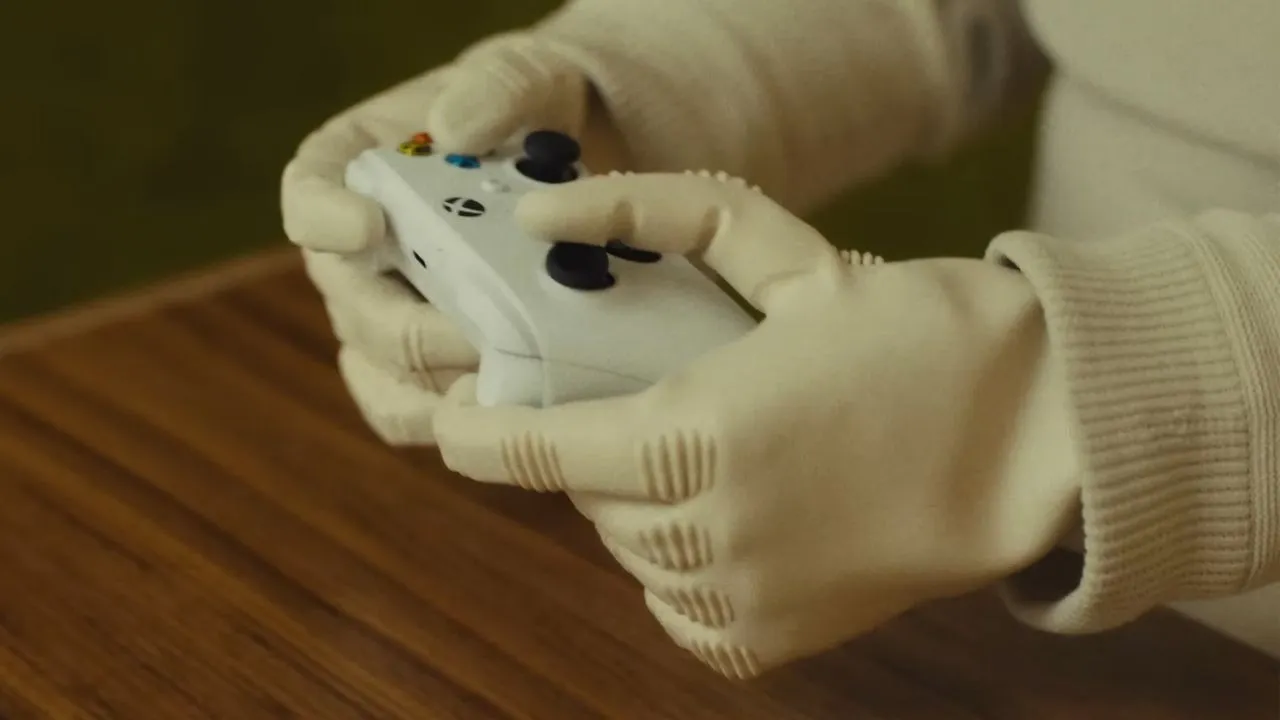
Palo Alto company 1X Technologies built the NEO Home Robot, shown using an Xbox controller, opening a bag of Funyuns, and unzipping a hoodie. For decision-makers, the key wrinkle is that many actions appear executed via a human pilot using VR gear, plus expensive pricing (about $20,000, or a $500 monthly subscription fee).
A robot that can operate an Xbox controller and unzip a hoodie is already unsettling. The part that really matters for buyers is that, right now, NEO Home Robot actions appear to be accomplished not autonomously but via a human pilot operating it remotely with VR gear.
That twist is doing most of the heavy lifting in the creep factor described in the PC Gamer write-up, and it also changes the operational math. The video shows NEO, created by Palo Alto company 1X Technologies, handling tasks like using an Xbox controller “sort of,” opening a bag of Funyuns and removing one, and slowly, creepily unzipping someone’s hoodie. But the article says digging into NEO indicates “most of its actions are accomplished not autonomously but via a human pilot operating it remotely with VR gear,” citing a Wall Street Journal video.
So what exactly is NEO doing in the demonstration? The PC Gamer piece lists a set of household-like maneuvers that, on their face, read like a demo reel of dexterous manipulation. NEO performs steps such as swirling invisible wine in a glass, changing a lightbulb before the bulb is inexplicably smashed with a hammer, picking up a screw, separating grapes, and lifting a 20 pound weight for less than a second before a suspiciously quick edit. It also appears to plug itself in so it can continue being creepy.
The article’s tone is intentionally skewering, but the business question underneath is practical: what counts as “household chores” and what still requires human supervision? NEO also connects non-Lego brand Legos, “daintily” handles small items, and then moves into the controller interaction and the snack interaction. It opens a bag of Funyuns and removes one Funyun while, in the demo, a human attacks it with a hammer. Those details matter because they signal the gap between what a robot can do in a staged clip and what it can do reliably in the messy reality of everyday living.
On pricing, the article is blunt about it. It says these robots cost $20,000, or require a $500 monthly subscription fee. For an operator, investor, or board member, that is not just a purchase price. It is an attached commitment that affects procurement, customer support expectations, and ongoing unit economics. If the robot truly needed continuous or frequent human remote piloting, the margin profile would be very different from a product sold as fully self-running automation. Even if remote operation is only required for certain capabilities, the buyer is still paying for a system whose “automation” may be partially outsourced.
This is where market context kicks in. Household robots are often sold on the promise of reducing routine work, but the real-world bottleneck is usually reliability and safety, not raw capability. PC Gamer points out that the potential is real for “an elderly person or someone with a disability” and that a helper bot could be life-changing for someone who is also fabulously wealthy because the robots cost $20,000 or a require a $500 monthly subscription fee. The article then pivots to why the demo feels “weird,” but behind that critique is a standard governance issue: what is the acceptable risk tradeoff for a system that can physically manipulate items, interact with controllers, and (in the clip) remove clothing.
That last point also surfaces a cultural and regulatory problem that boards can ignore only at their peril. The demonstration includes slowly, creepily unzipping someone’s hoodie. The headline frames it as awkward sexual passes at a consenting partner of the author’s choice, and the article repeatedly emphasizes creepiness. Whether or not the intent in the demo is consensual roleplay, the second-order implications for any home robot are obvious: safety, consent boundaries, misuse risk, and the need for clear operating constraints and logging. Even in jurisdictions where consumer robotics regulation is still evolving, product and platform operators get judged on whether they built guardrails, not only on whether the demo is impressive.
And yes, the video has odd teaching choices that hint at unfinished capability. PC Gamer asks why NEO is attacked with a hammer twice, why unzipping a hoodie is a creepier demonstration than simply zipping it up, and why teaching NEO to use the Xbox controller implies we are outsourcing hobbies as well as chores. Those questions connect directly to a business reality: if the system can be “commanded” to do sensitive actions, it needs stronger user interface boundaries than a clip suggests. Otherwise, the product risks becoming a novelty with expensive supervision rather than a dependable domestic utility.
The biggest takeaway for executives is the remote-piloting hinge. The article says knowing there’s a person behind the scenes “sort of doubles the creepiness,” because there are “living eyes behind those eyes” peering at you as commands like “distribute Funyuns” and “slowly undress me” are issued. Even if you set aside the tone, that description highlights an operational constraint. A $20,000 robot (or a $500 monthly subscription) that requires human-in-the-loop control for “most of its actions” is not just a technical status. It is a staffing model, a scalability model, and a liability model.
For peers building or investing in robotics, this is the moment to ask what autonomy really means in deployment. The demonstration shows hands that can open snacks, manipulate objects, and operate a controller. But the current system, as described, appears to be an interface layered over remote human execution. Until that changes, boards should treat NEO-like products as hybrid services, not pure hardware automation, and plan accordingly for cost, safety processes, and product governance.
This story's Key Insights and Take-aways are locked.
Create a free account to unlock Executive Actions for one credit.
Register to UnlockAlways free for Executives Club members. Join the Club
More in Entertainment

12TB Steam 'teraleak' goes beyond Valve: GTA 3, Mafia 2 prototypes exposed
A 12-terabyte dump of Steam data reveals prototypes and builds of third-party classics like GTA 3 and Mafia 2, plus unreleased Valve content, rewriting game history.

LinkedIn's romance problem: 1 in 4 workers say dating on it is fair game
A new survey shows a quarter of U.S. employees treat the professional network as fair game for romance, even as LinkedIn bans it and removes hundreds of thousands of offending posts.

Enhypen's first No. 1 album breaks K-pop's Billboard 200 streak
The K-pop group's 98,000-unit debut tops the chart while Dolly Parton's catalog reentry shows how death reshapes streaming.