
2 industries minted nearly half of America's 400 richest
Finance and tech dominate the 2026 Forbes 400, but the real money is hiding in pest control, truck stops, and soybean genetics. Here is the full breakdown.

The 2026 Forbes 400 shows finance and investments (108 members) and technology (91 members) together account for nearly half of America's richest people. For founders and executives, the list reveals that scalable, asset-light industries win, while unglamorous sectors like pest control and truck stops still mint billionaires.
Two industries minted nearly half of America's 400 richest people, according to the 2026 Forbes 400: finance and investments, with 108 members, and technology, with 91. That is 199 of 400 entries, just under 50%, and the top of each category is eye-popping. Warren Buffett leads finance at $144 billion, and Elon Musk tops technology at $908 billion. Forbes compiled the rankings as an estimated snapshot of net worth as of September 4, using interviews, asset valuations, and deductions for debt and charitable contributions.
The concentration is not a fluke. Finance and tech reward asset-light, globally scalable models, and both have ridden waves of compounding returns, with AI pulling newcomers like OpenAI cofounder Greg Brockman onto the list. But the other 201 slots prove that a fortune can come from almost anywhere: truck stops, pest control, or soybean genetics. Business Insider calculated how many individuals from each of the 16 Forbes categories made the list, and the full breakdown shows that being a founder, or an heir, is the real common denominator, not the industry.
Food and beverage is the third-biggest wealth engine, with 35 members. The richest are Jacqueline and John Mars, tied at $50.3 billion, heirs to the candy and pet food empire. But the category also includes household names like Chick-fil-A and Tito's Vodka, plus less consumer-facing fortunes like J. Christopher Reyes and Jude Reyes, who cochair food distributor Reyes Holdings, and Harry Stine, who made his money licensing soybean and corn genetics. Fashion and retail follows with 26 members, led by Rob Walton and family at $132 billion. Walmart alone accounts for eight people on the list. Yet the category has surprises: Jimmy and Bill Haslam's wealth largely derives from Pilot Flying J, the truck stop chain their father founded.
Energy has 23 members, richest Lyndal Stephens Greth and family at $30 billion, and it is not just oil producers. Pipelines and refineries have built fortunes too. Real estate has 18, led by Stephen Ross at $21.5 billion, with President Donald Trump also included at an estimated $7 billion, much tied to real estate. Media and entertainment has 17, led by Rupert Murdoch and family at $25 billion, but also includes Gabe Newell, cofounder of video game developer Valve, and filmmakers Steven Spielberg and George Lucas.
Sports has 16, led by Stanley Kroenke at $27.6 billion. For most owners, team ownership is a second act: Arthur Blank cofounded Home Depot, Stephen Bisciotti made his fortune in talent management, and Arturo Moreno made his money in billboard advertising. Michael Jordan is the exception, with his basketball career as the origin. Healthcare has 15, led by Thomas Frist Jr. and family at $33.6 billion from hospitals, while most others are in pharmaceuticals, medical devices, and equipment. Patrick Soon-Shiong developed the chemotherapy drug Abraxane. Manufacturing also has 15, led by Steven Rales at $8.7 billion, and includes four SC Johnson heirs whose cleaning products are Windex and Glade.
Service has 11, led by Micky Arison and family at $11.5 billion from cruises, and also includes Gary Rollins, executive chairman emeritus of pest control firm Rollins. Automotive has 8, richest Ernest Garcia II at $24.3 billion, with Dan Friedkin owning Gulf States Toyota and Shahid Khan owning auto parts supplier Flex-N-Gate. Diversified has 8, led by Julia Koch and family at $84.6 billion, dominated by the Koch family conglomerate. Logistics has 4, led by Brad Jacobs at $13.3 billion, and includes Johnelle Hunt, cofounder of transportation and logistics firm J.B. Hunt Transport Services.
For anyone trying to build wealth or underwrite it, the takeaway is that scale and control beat sector glamour. The unglamorous businesses, the truck stops, pest control, and cleaning products, compound quietly for decades and throw off cash that founders can reinvest or pass down. And because Forbes counts heirs alongside founders, the list is also a reminder that wealth is sticky: many of these fortunes are already two or three generations deep. For executives, the real signal is not which industry to pick, but how to structure a business so it can survive beyond its founder.
This story's Key Insights and Take-aways are locked.
Create a free account to unlock Executive Actions for one credit.
Register to UnlockAlways free for Executives Club members. Join the Club
More in Business
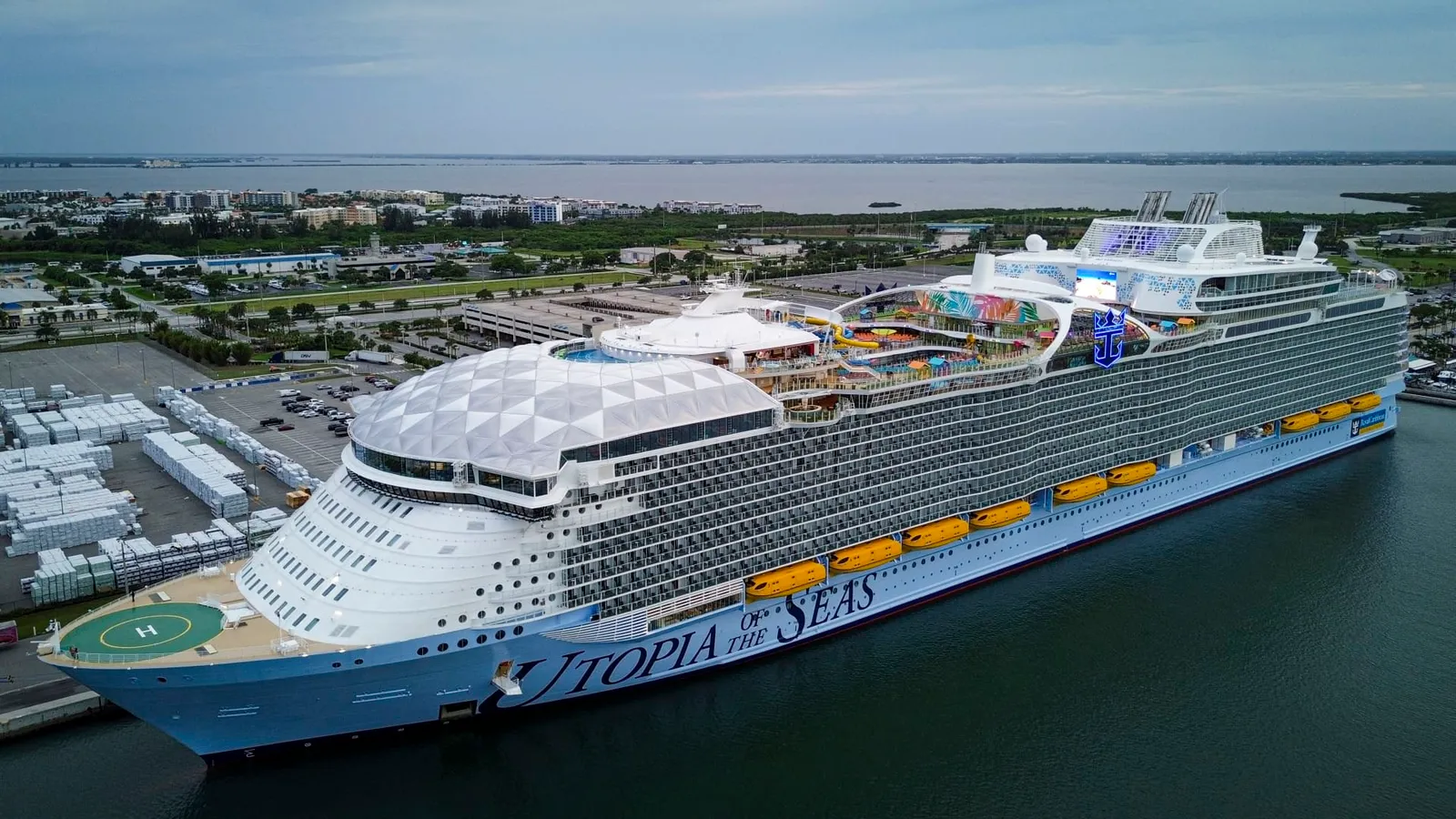
Royal Caribbean just spent $3B to own half of Sandals
The cruise giant is buying a 50% stake in the all-inclusive resort chain for $3 billion, a bet that land-based vacations are the next growth engine.

Paramount's Ellison: Merger Clearance Done, WBD Deal by Oct 1
David Ellison says the Paramount-WBD merger has full clearance after settling with state AGs, clearing the path for an October 1 close.
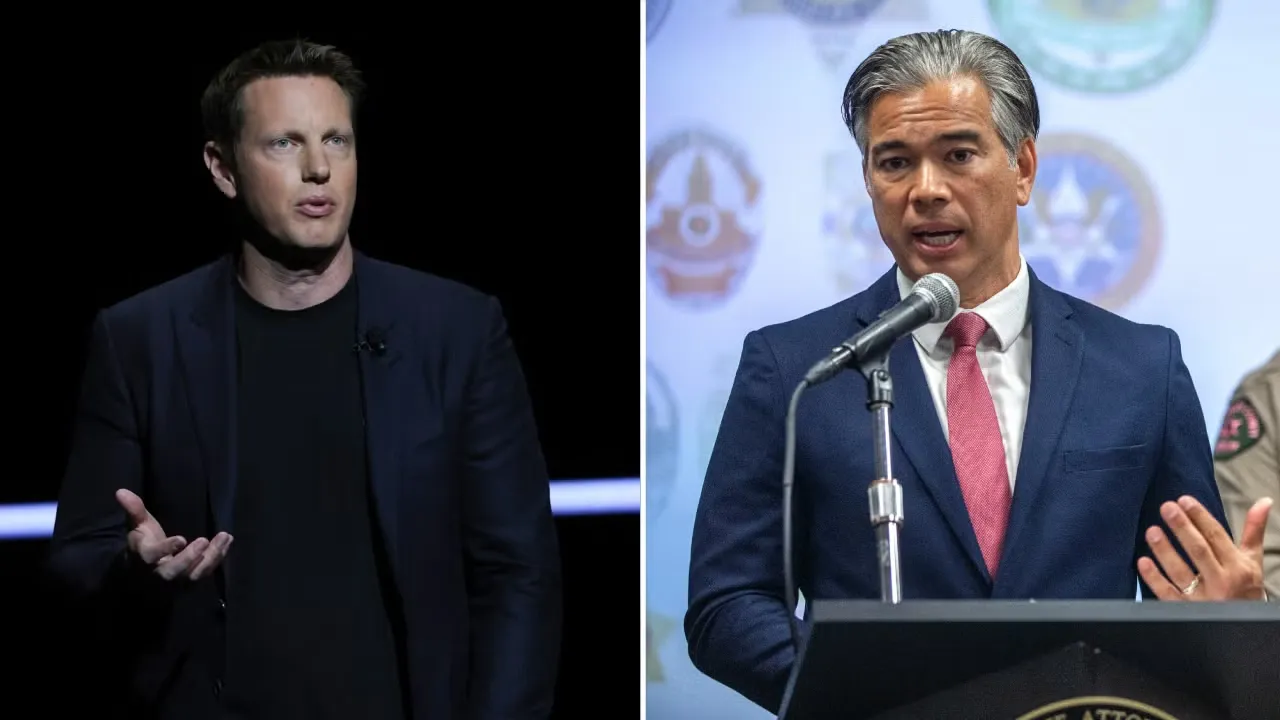
Paramount settles with 12 states, $110B Warner merger clears final hurdle
David Ellison's studio avoids a March trial and a $7M-a-day ticking fee by settling with state AGs over local job losses.