

260,000+ evacuated as southwest Europe wildfires surge on extreme heat and winds
What happened in France and Spain, why authorities still report zero deaths, and what leaders should watch next.

More than 250,000 people have been evacuated in France and Spain due to raging wildfires, according to authorities in both countries. For decision-makers, the immediate operational priority is life safety logistics, while the longer-term risk is cascading disruptions from fast-moving fires.
More than 250,000 people have been evacuated across France and Spain as wildfires rage through parts of southwest Europe, according to authorities in both countries. The scale is big enough to stress even well-prepared emergency systems: this is not a localized scare, it is mass displacement happening under extreme conditions.
Authorities also say there have been no deaths tied to the fires so far. That matters because wildfire events are often measured by fatalities, and in this case the focus shifts to what is preventing loss of life while the flames keep spreading. The Hill reports that strong winds and extreme heat have propelled the flames through thousands of acres, turning normal response timelines into something closer to triage.
For leaders, the first-order implication is simple but urgent: evacuation at this scale requires more than firefighters. It requires coordinated transport, temporary shelter capacity, and the ability to keep communications working when power and infrastructure are strained. Even when casualties are currently reported as zero, displaced populations still need food, medical support, and access to information. In other words, the operational work does not end when authorities hit “evacuate.” It shifts to sustainment.
There is also a governance angle worth paying attention to. Wildfire response is a multi-agency system that runs across borders, even when the legal authority is national or regional. France and Spain each have their own emergency structures and public communication channels, but extreme heat and winds do not respect administrative boundaries. When events escalate fast, decision-making tends to become centralized and time-bound. That can compress how quickly leaders get resources deployed and how quickly public guidance is updated.
The drivers cited in the reporting are strong winds and extreme heat. That combination is a key reason wildfire outcomes swing dramatically in short windows. Winds can carry embers and push fire fronts into areas that seemed safe hours earlier. Extreme heat lowers moisture in vegetation and increases the pace at which fires spread. When you combine those forces, you get the kind of “rapid escalation” scenario that makes planning difficult, because yesterday's maps become today's liabilities.
Second-order, this kind of disruption can hit business continuity even if the fires are not immediately adjacent to headquarters. Mass evacuations can reduce workforce availability, disrupt logistics routes, and strain local government capacity. Public authorities preoccupied with evacuation and sheltering often have fewer cycles left for other services, and that can ripple outward. For companies operating in travel, retail, utilities, agriculture, insurance, or any region with seasonal labor, “emergency time” can become “economic time” quickly.
There is also a capital and risk-management thread that matters to boards. When wildfire events intensify across regions, they test assumptions behind insurance coverage, property risk models, and even the durability of supply chains. The Hill's reporting emphasizes the evacuation numbers and the lack of reported deaths tied to these fires at the time of writing. That juxtaposition is useful for risk thinking: it suggests response effectiveness in keeping people alive, even while the underlying hazard remains severe and fast-moving. For risk teams, that is a reason to separate “life safety performance” from “system stability,” because the latter can still degrade through displacement, infrastructure stress, and ongoing fire activity.
Executives in similar roles, whether in infrastructure, logistics, hospitality, or any firm with exposure to Europe’s southwest climate patterns, should treat this as a real-time stress test of coordination. Evacuations over 250,000 people are a reminder that emergency response is not abstract policy, it is operational execution under physical constraints. And while no deaths have been tied to the fires so far, strong winds and extreme heat are still in play. The strategic stakes are resilience: the ability to keep operations running, protect people, and communicate clearly while the situation evolves.
This story's Key Insights and Take-aways are locked.
Create a free account to unlock Executive Actions for one credit.
Register to UnlockAlways free for Executives Club members. Join the Club
More in Politics
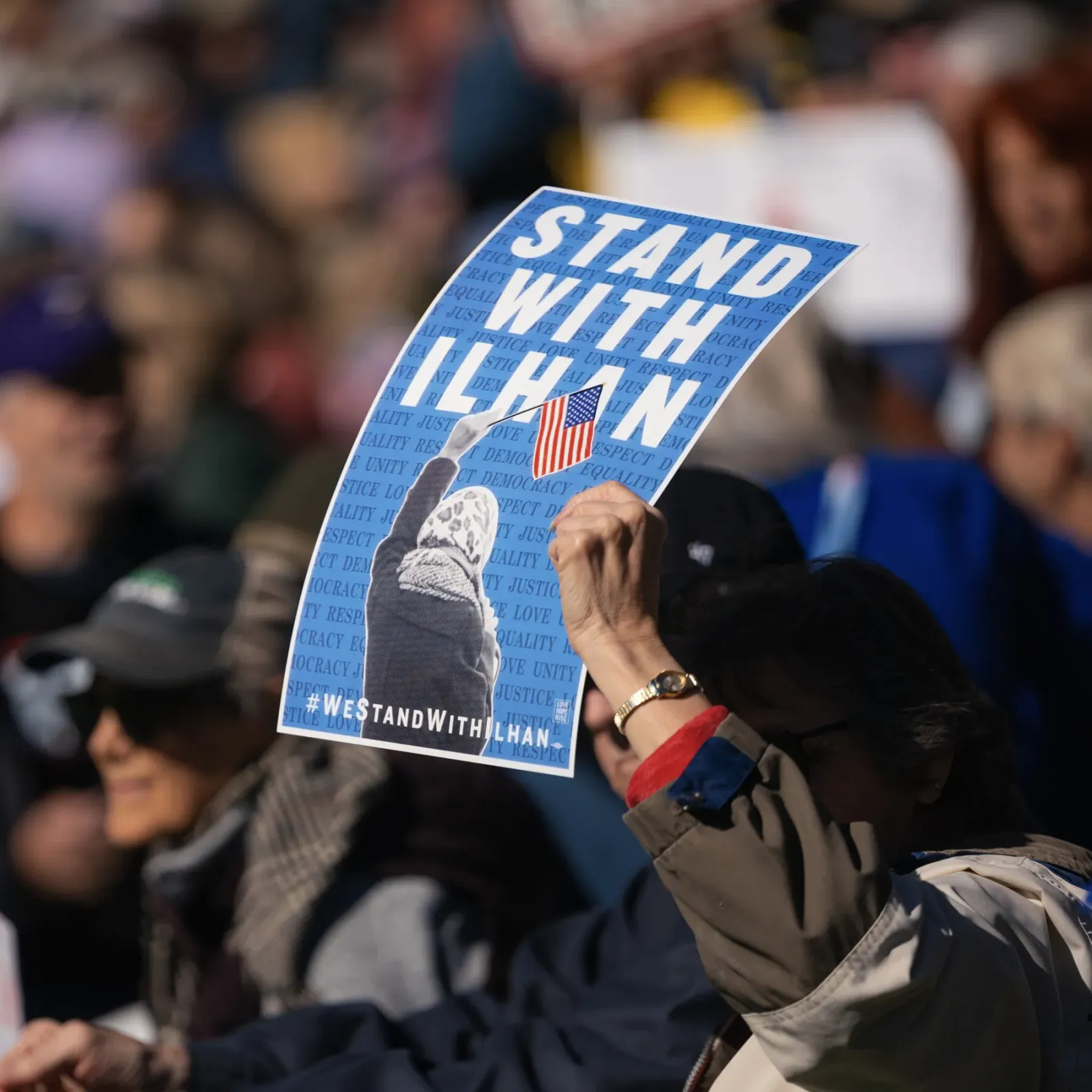
Obama Defends Ilhan Omar After Agents Search Her Home in Trump Inquiry
The former president's intervention raises the stakes in a federal probe into immigration paperwork that has put a prominent progressive lawmaker in the crosshairs.

Blair-era minister: cut welfare to fund youth job support
Alan Milburn's call for welfare cuts to fund employment support opens a Labour fight over benefits and the Neet crisis.

Hot September CPI: energy costs surge, voters feel the squeeze before midterms
The latest inflation print lands as Trump campaigns for GOP control of Congress, putting cost-of-living worries at the center of the midterm fight.