
75,000-year-old Neanderthal skeleton shows horrific injuries - and hints of care
The ancient remains reveal a life of violence, but also suggest Neanderthals looked after each other - a finding that challenges the brutish stereotype.
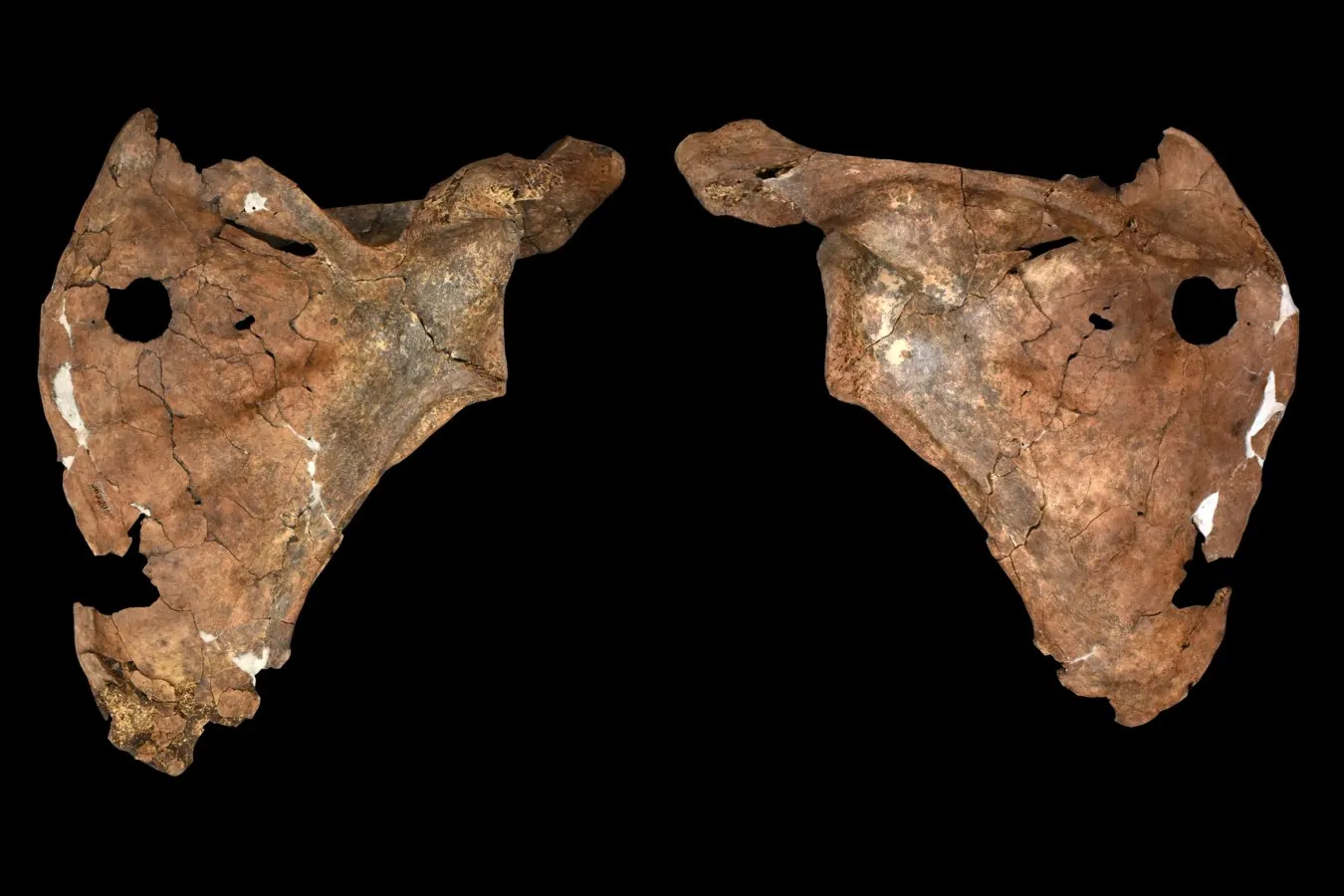
A 75,000-year-old Neanderthal skeleton with horrific injuries is giving scientists a rare window into the dangers of prehistoric life and the possibility of early caregiving. The discovery matters beyond archaeology: it complicates the story of human nature and invites leaders to rethink assumptions about resilience and compassion.
A 75,000-year-old Neanderthal skeleton, bearing horrific injuries, is forcing a fresh look at the violent reality of prehistoric life. The remains, reported by New Scientist, show wounds that would have been devastating, yet the individual survived long enough for the skeleton to preserve evidence of both trauma and healing. That combination is exactly what makes the find so striking: it captures a life lived on the edge of lethal danger, in a world where injury was a constant threat. The bones are not just a record of pain; they are a record of survival against the odds.
But the same skeleton also hints at something softer: care. The fact that an individual with such severe injuries survived suggests that others may have helped, fed, or protected them during recovery. That is the quiet revelation buried in the bones - Neanderthals, long caricatured as brutish, may have had a social fabric strong enough to support the wounded. The source describes the find as offering a glimpse into a violent world, but also hints that Neanderthals cared for one another. That dual message is what makes this skeleton so powerful.
For decades, the popular image of Neanderthals has been one of simple, violent survival. But a growing body of evidence has complicated that picture. Healed fractures and other markers in ancient skeletons have led paleoanthropologists to argue that Neanderthals were not just survivors but caregivers. This particular skeleton adds a visceral data point: a body that endured terrible harm and yet lived to be preserved for tens of thousands of years. It is a reminder that the past is rarely as one-dimensional as the stories we tell about it.
The find also speaks to a broader scientific conversation about what makes us human. Neanderthals are our closest extinct relatives, and how we interpret their behavior shapes how we understand our own evolutionary inheritance. If they were capable of both extreme violence and genuine care, then the line between 'savage' and 'civilized' is far blurrier than old narratives suggested. That has implications for how we study everything from conflict to cooperation in our own societies, and it challenges the comfortable assumption that compassion is a modern invention.
For leaders in research, education, and culture, the lesson is about the power of evidence to overturn assumptions. A single skeleton can rewrite a species' reputation. In any field, the data that challenges the consensus is often the most valuable - and the most easily overlooked. The Neanderthal find is a reminder that the most interesting truths are often found in the details that don't fit the story we expected. It is also a cautionary tale about the cost of clinging to stereotypes: the brutish Neanderthal was a convenient myth, but it obscured a more complex and more human reality.
The strategic stakes extend beyond the lab. Museums, textbooks, and documentaries shape public understanding of human nature, and they are now under pressure to update their narratives. For executives in media, education, and even brand storytelling, the lesson is clear: audiences are hungry for nuance, and the old binary of 'us versus them' is losing its explanatory power. The skeleton is a 75,000-year-old reminder that the most compelling stories are the ones that hold contradiction together - violence and care, danger and resilience, injury and survival. Those are the stories that actually move people, and they are the ones worth telling.
This story's Key Insights and Take-aways are locked.
Create a free account to unlock Executive Actions for one credit.
Register to UnlockAlways free for Executives Club members. Join the Club
More in Science
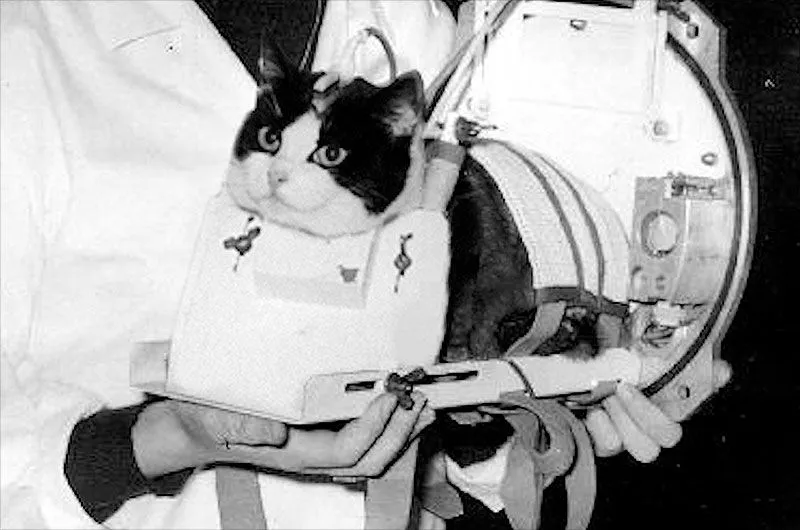
France euthanized Félicette, the first cat in space, two months after her flight
Félicette's 1963 flight made France a space-race player, but her euthanasia and a crowdfunded statue reveal how high-risk programs are remembered.
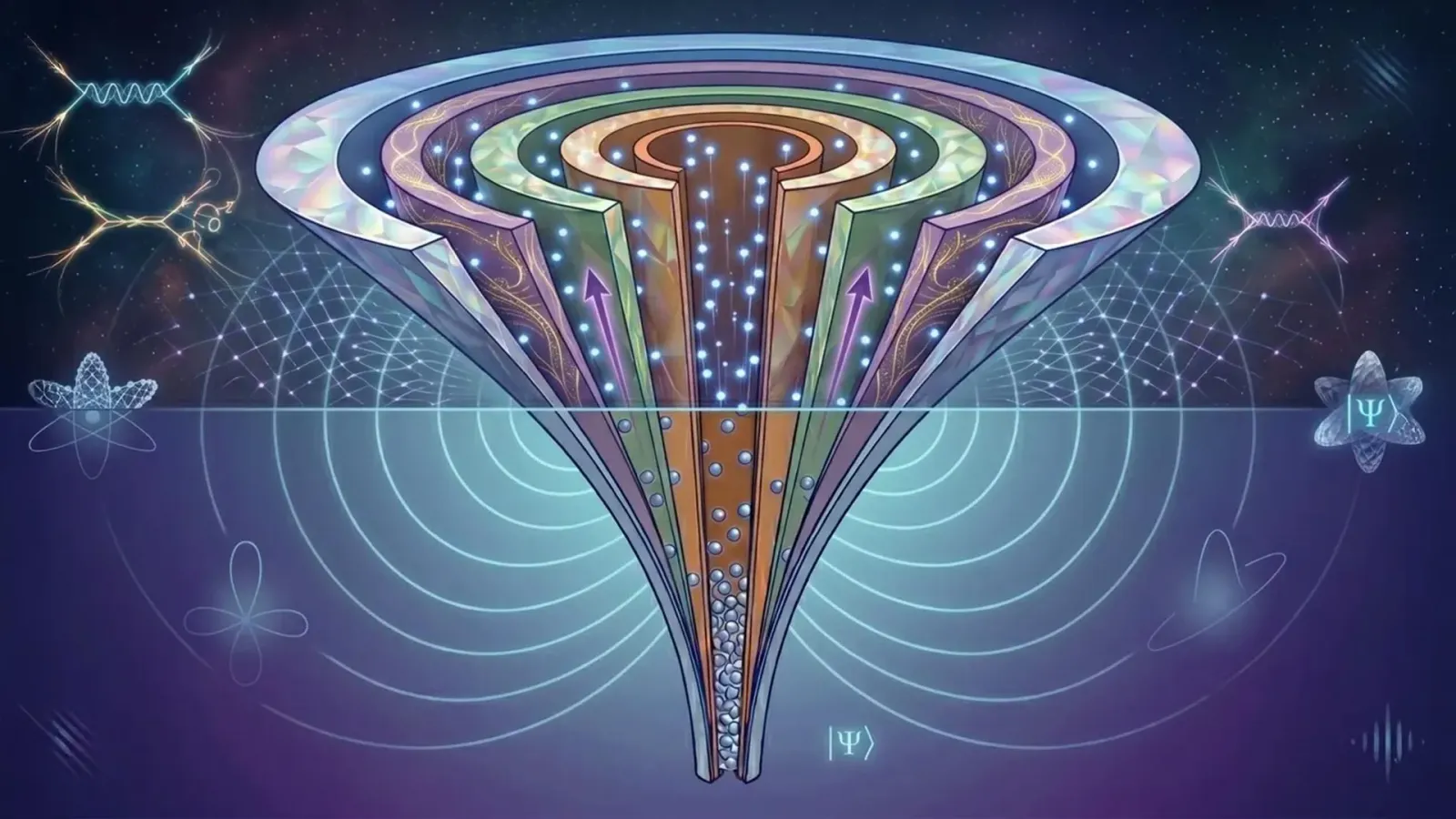
Ultracold atoms just created a 'fractional Fermi sea' that breaks quantum rules
A new quantum state challenges decades of theory and hints at 'super-Fermions,' with real stakes for quantum computing and materials science.

Bangladesh's 202,000 measles cases are a 'real warning' to other nations
The world's worst measles outbreak is spreading as routine vaccination falters. Here is why every country's immunization program should pay attention.