

75,000-year-old Neanderthal spear wound suggests lethal fighting was common
A single fossil injury may push back the timeline of human violence by tens of thousands of years, challenging the assumption that conflict is a modern invention.
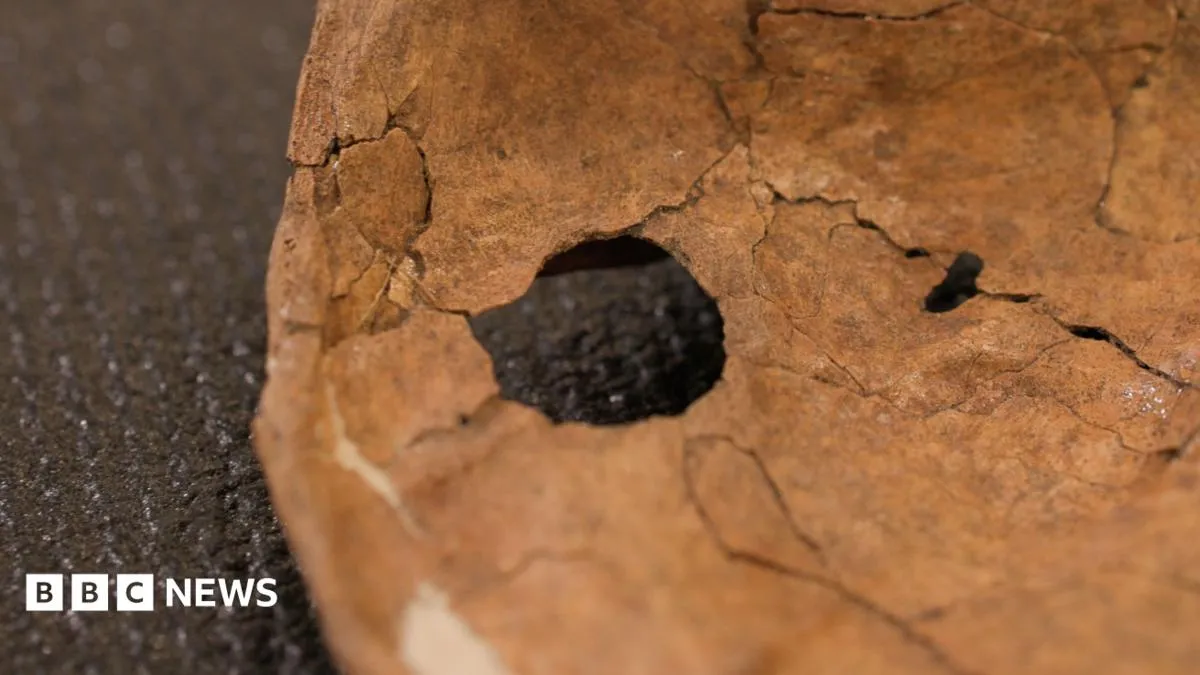
A 75,000-year-old Neanderthal spear wound, reported by BBC News, may be evidence that lethal fighting shaped human life far earlier than previously believed. For decision-makers, the finding is a reminder that conflict is an ancient human inheritance, one that shapes team dynamics, negotiation, and organizational risk whether leaders acknowledge it or not.
Seventy-five thousand years ago, a Neanderthal took a spear to the body. That wound, preserved in bone, is now evidence that lethal fighting shaped human life far earlier than previously believed. The finding, reported by BBC News, centers on a 75,000-year-old Neanderthal skeleton bearing a spear wound that suggests lethal fighting was more common among our ancient cousins than the fossil record had indicated. It is a rare and specific data point: not a healed fracture or a broken bone, but a penetrating injury from a weapon. The wound records a moment of violence, frozen in time.
The significance is not the wound itself but what it implies. For decades, the picture of Neanderthal life has swung between two poles: the brutish cave-dweller of popular imagination and the more nuanced portrait built by discoveries of tool use, controlled fire, and possible burial practices. A spear wound tilts the evidence toward a harder truth. It suggests that Neanderthals fought each other, and that some of those fights were lethal, a behavior typically associated with modern humans, not with a species that vanished roughly 40,000 years ago.
The finding lands in the middle of a long-running scientific argument about the origins of human violence. One camp has argued that organized violence and warfare are relatively recent inventions, emerging alongside agriculture, property, and the state. The other holds that violence is ancient, inherited from the primate lineage from which both humans and Neanderthals descend. A 75,000-year-old spear wound is a data point for the second camp: evidence that lethal interpersonal violence predates modern humans by tens of thousands of years. It was not a byproduct of civilization but a precursor to it.
For context, Neanderthals inhabited Europe and parts of Asia for hundreds of thousands of years before disappearing around 40,000 years ago, roughly when modern humans expanded into their territory. The standard explanations for their extinction have focused on competition with modern humans, climate shifts, and interbreeding. This wound raises a quieter question: did internal violence play a role in their decline? The fossil record is too sparse to answer, but the finding complicates any single-cause story of Neanderthal extinction. By extension, it complicates any single-cause story of how our own species came to dominate the planet, and it adds a new dimension to the long-running debate over whether violence is learned or innate.
There is also a lesson about narratives. In recent years, the prevailing scientific story about Neanderthals has emphasized their sophistication, their toolmaking, their adaptability, their possible symbolic behavior, as a corrective to the old 'caveman' stereotype. This finding does not reverse that progress; it complicates it. The emerging truth is that Neanderthals were both more capable and more violent than any single narrative allowed. They were not simple brutes, and they were not gentle innocents. They were human-like in the fullest sense, including the capacity for lethal conflict.
For executives and operators, the story is less about paleontology and more about the assumptions we carry about human nature. Every organization is built on a theory of how people behave under pressure: whether conflict is an anomaly to be managed or a baseline to be designed around. Evidence that lethal violence is deeply ancient, present in our closest evolutionary relatives, suggests that the capacity for aggression is not a modern malfunction but an inherited trait. That does not make conflict inevitable in the workplace. It does mean the instinct is real, and leaders who ignore it are designing their organizations against biology rather than with it.
The strategic takeaway is about evidence and revision. A single 75,000-year-old wound cannot settle the question of how violent Neanderthal life was, but it is enough to force a rewrite of the timeline. In business, as in paleontology, one well-preserved data point can be worth more than a thousand assumptions. The leaders who win are the ones who treat confident narratives as hypotheses, ready to be revised the moment new evidence arrives. This fossil is that evidence for the story of human violence: a reminder that the past is always more complicated than the story we tell about it.
This story's Key Insights and Take-aways are locked.
Create a free account to unlock Executive Actions for one credit.
Register to UnlockAlways free for Executives Club members. Join the Club
More in Science
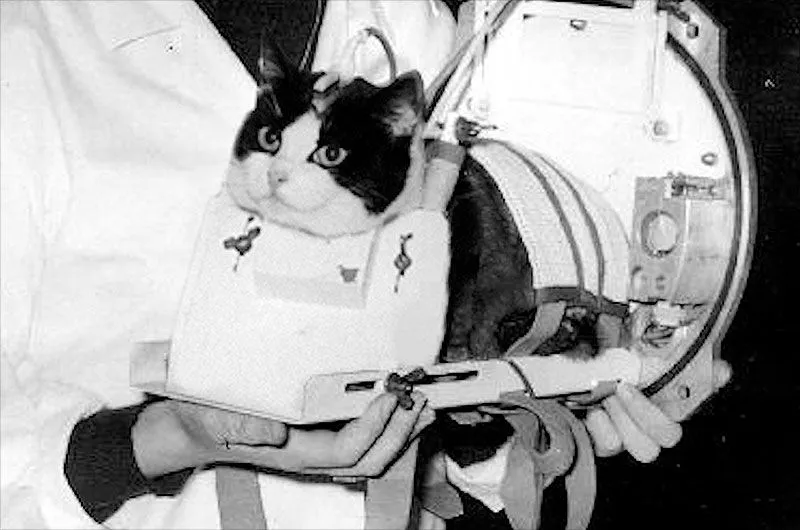
France euthanized Félicette, the first cat in space, two months after her flight
Félicette's 1963 flight made France a space-race player, but her euthanasia and a crowdfunded statue reveal how high-risk programs are remembered.

Ultracold atoms just created a 'fractional Fermi sea' that breaks quantum rules
A new quantum state challenges decades of theory and hints at 'super-Fermions,' with real stakes for quantum computing and materials science.

Bangladesh's 202,000 measles cases are a 'real warning' to other nations
The world's worst measles outbreak is spreading as routine vaccination falters. Here is why every country's immunization program should pay attention.