
80% of active VC are outside SpaceX, OpenAI, and Anthropic liquidity this summer
PitchBook’s Nizar Tarhuni estimates only 700 deals-backed VC touch the biggest IPO-like events, leaving most on the sidelines.
Nizar Tarhuni of PitchBook estimates about 700 venture investors are invested in SpaceX, OpenAI, or Anthropic, meaning roughly 80% of active VC are outside the liquidity moment. For decision-makers, this implies a concentrated upside for top-tier LPs and a broader shakeout in venture spending and follow-on expectations.
If you’re a venture investor, the summer’s headline is not “an IPO window for all.” It’s a lopsided liquidity moment where PitchBook’s Nizar Tarhuni estimates 80% of active VC won’t see a dime. Tarhuni, speaking during Fortune’s live Term Sheet breakfast, put the numbers on the board: around 11,000 venture investors exist in the market, roughly 3,500 to 4,000 do at least two deals per year, and only about 700 are invested in one of SpaceX, OpenAI, or Anthropic. That is about 20% of the active book, which is why the other 80% is watching rather than cashing.
This matters because SpaceX is about to make its own big market move, with IPO chatter slated for Friday, while OpenAI and Anthropic are moving toward filings that could eclipse other public listings in the past two decades. Tarhuni frames it as a milestone and “not necessarily a watershed moment,” meaning the venture industry’s exit drought is not automatically cured for everyone. The reason is simple, and it shows up in how the capital math works: among the thousands of active investors, only a subset is actually exposed to the three “anomaly” companies leading the liquidity wave.
Zoom out, and the narrative has been doing heavy lifting. Tarhuni acknowledges there’s a storyline floating around that this is the unleash, a savior of venture’s locked-up liquidity, and some investors are tempted to treat this summer like salvation. But the market structure is stubborn. Since 2015, about $1.5 trillion in venture value has come to the capital markets, and Tarhuni and the panel point out that SpaceX alone is about to do that on its own. Meanwhile, OpenAI and Anthropic are expected to overshadow the size of other public listings in the past two decades, or even ever. The headline-level valuations being discussed in the room include a $1.5 trillion to $2 trillion valuation range for SpaceX, and the prospect of a total $5 trillion in value coming online after adding in Anthropic and OpenAI.
So why does the upside skew so hard toward a limited set of players? The panel argues the companies are not just “big” in a generic sense, they are different in funding mechanics. They are going public because their appetite for capital, specifically their need for compute power, is larger than what private markets can properly nourish and feed. In other words, this is not a normal venture exit cycle where lots of companies are ready to ring the bell. It’s a compute-driven capital requirement that forces timing and structure. The market doesn’t give you a rising tide when only a few companies trigger the liquidity gates.
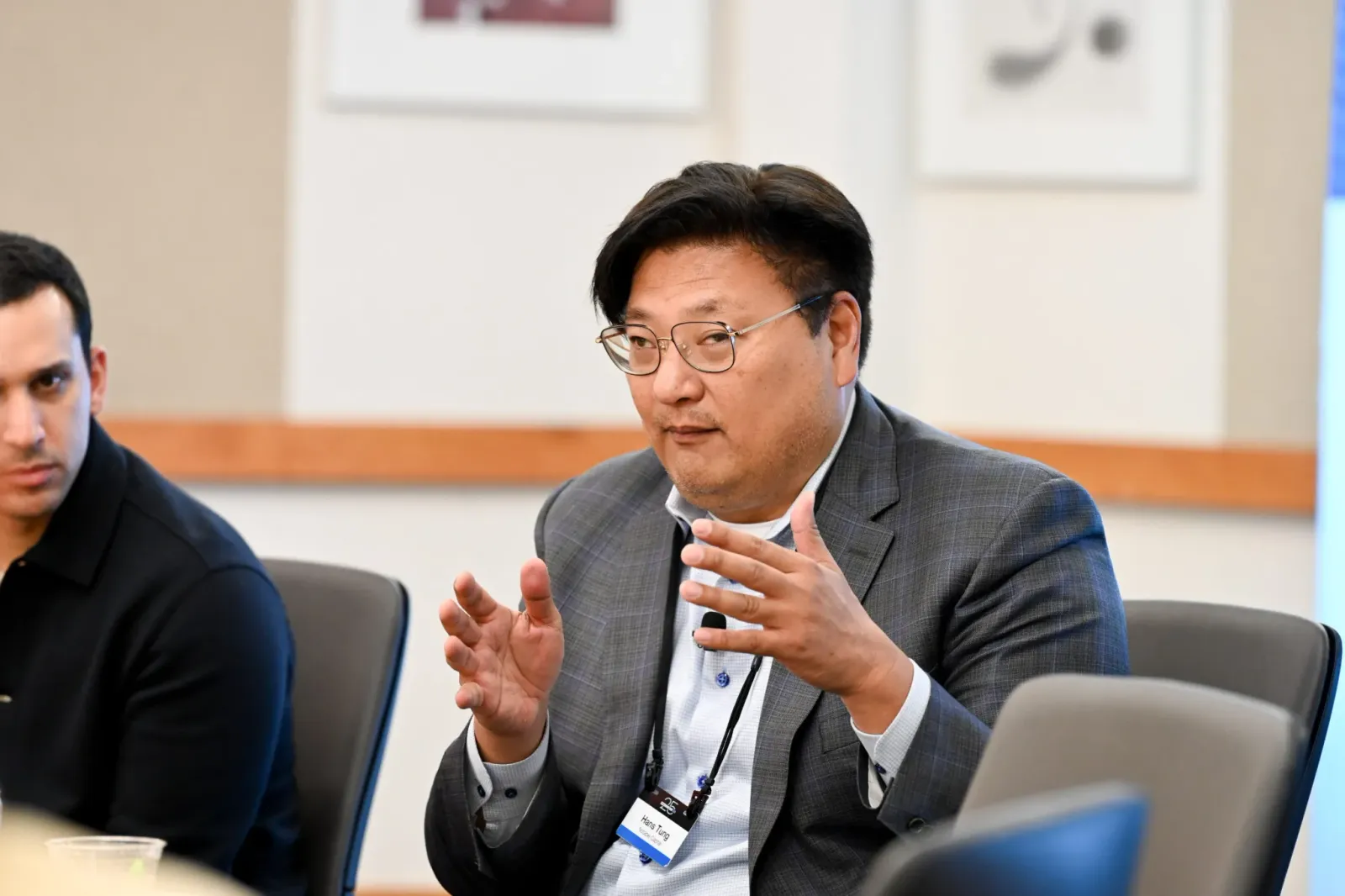
The distribution problem becomes even sharper at the LP layer. Hans Tung of Notable Capital and Mo Jomaa of CapitalG (Alphabet’s independent growth fund) both describe a concentrated hierarchy among limited partners. Tung says the top tier of LPs got into SpaceX, OpenAI, and Anthropic either directly or through funds. As a result, their numbers are about to look dramatically better than those of peers. And Tung adds that these LPs will want more direct access to the next three dozen AI names that matter, which pushes capital toward a shrinking set of winners. That dynamic is how a “liquidity event” can look like a feast for one group while leaving everyone else to keep financing the normal grind.
If you’re thinking, “Okay, but does this help the broader market at all?” The panel’s answer is basically: it’s not an open window, but it’s still educational. Jomaa says IPO windows come and go, and they open and close like a cyclical roller coaster. However, the lessons and the investments required to become IPO-ready are timeless. In practice, that means if your portfolio has been preparing for public-market scrutiny, governance demands, and story discipline, this summer’s events validate the work, even if you are not cashing out alongside the headline companies.
There is also a second-order incentive story for founders and growth-stage operators. Jomaa argues SpaceX is investing heavily in its growth story because growth compounds, while margins do not. He frames it as investors buying stories, not just stocks. If you don’t have a compelling narrative, investors become skeptical and will create a defensive narrative for you. That’s not just marketing advice; it’s about capital access, especially when public-market expectations start to bleed back into private valuations.
Finally, Tung and Jomaa both point toward a multi-year adjustment period with ripple effects beyond venture. Tung predicts a multi-year shakeout that will ripple through the LP base, the venture market, and even the buyout market. He also notes that buyouts haven’t been adjusted for the AI impact, and he expects plenty to go through in the next decade. Jomaa adds a caution that this is not an open IPO window, but the “IPO-ready” discipline still matters. The strategic stake for decision-makers with boards or investment committees is clear: if 80% of active VC are structurally outside the liquidity event, then follow-on behavior, fund-level expectations, and portfolio selection are likely to reprice around the few pathways to exits that actually clear.
In short, this is not a universal exit party. It’s a concentrated liquidity spotlight, and the rest of the ecosystem has to figure out how to survive the light.
This story's Key Insights and Take-aways are locked.
Create a free account to unlock Executive Actions for one credit.
Register to UnlockAlways free for Executives Club members. Join the Club
More in Business
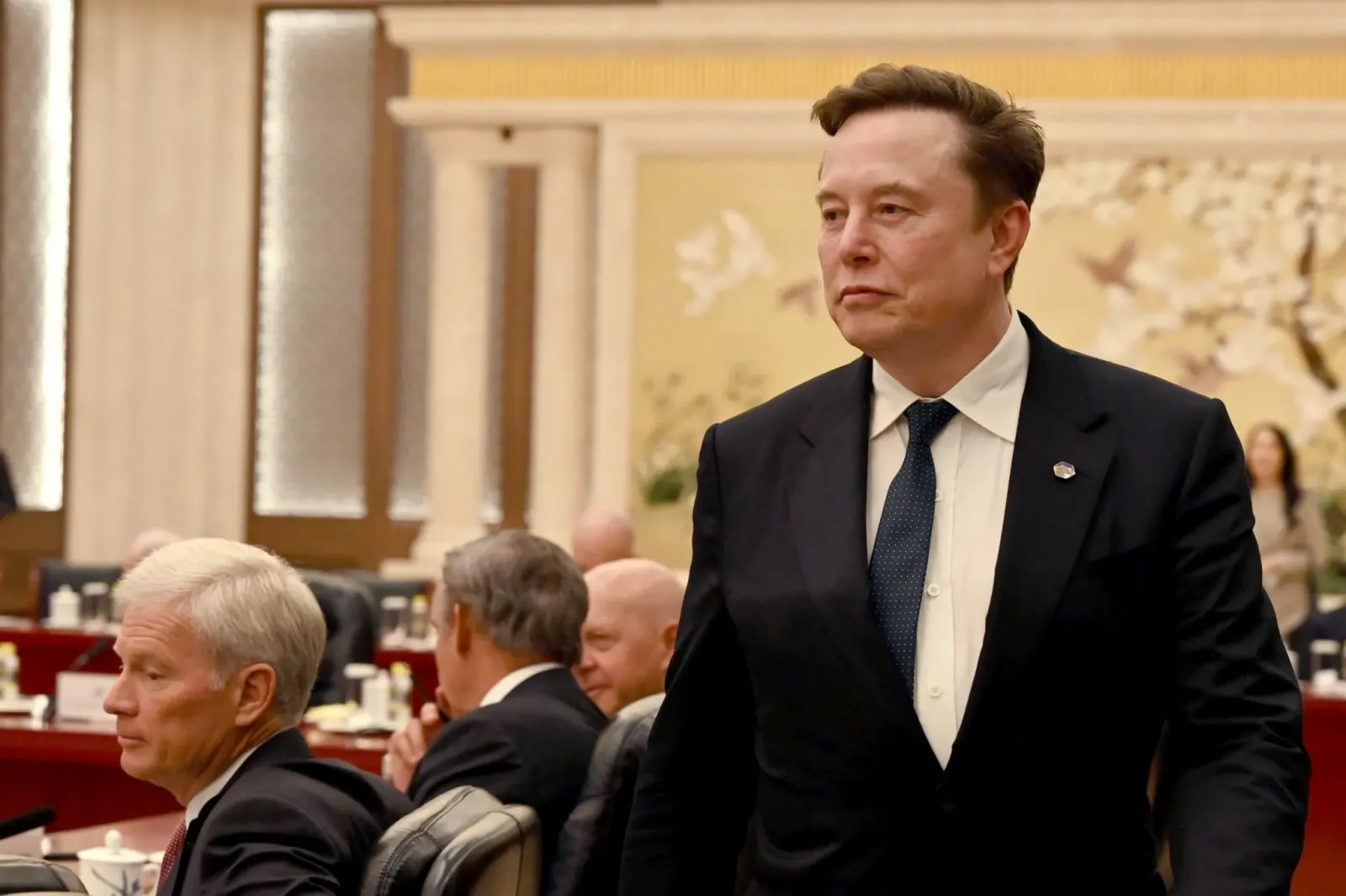
SpaceX IPO: Wedbush calls a Tesla merger “holy grail,” Morningstar pegs $63 fair value
Trading starts June 12 at $135, but analysts are split over a $72-per-share “option premium” on orbital AI dreams.

10% of large employers will drop obesity drug coverage next year as costs rise
As use surges, a growing share of big employers plan to end coverage, shifting the bill and the politics of benefits.
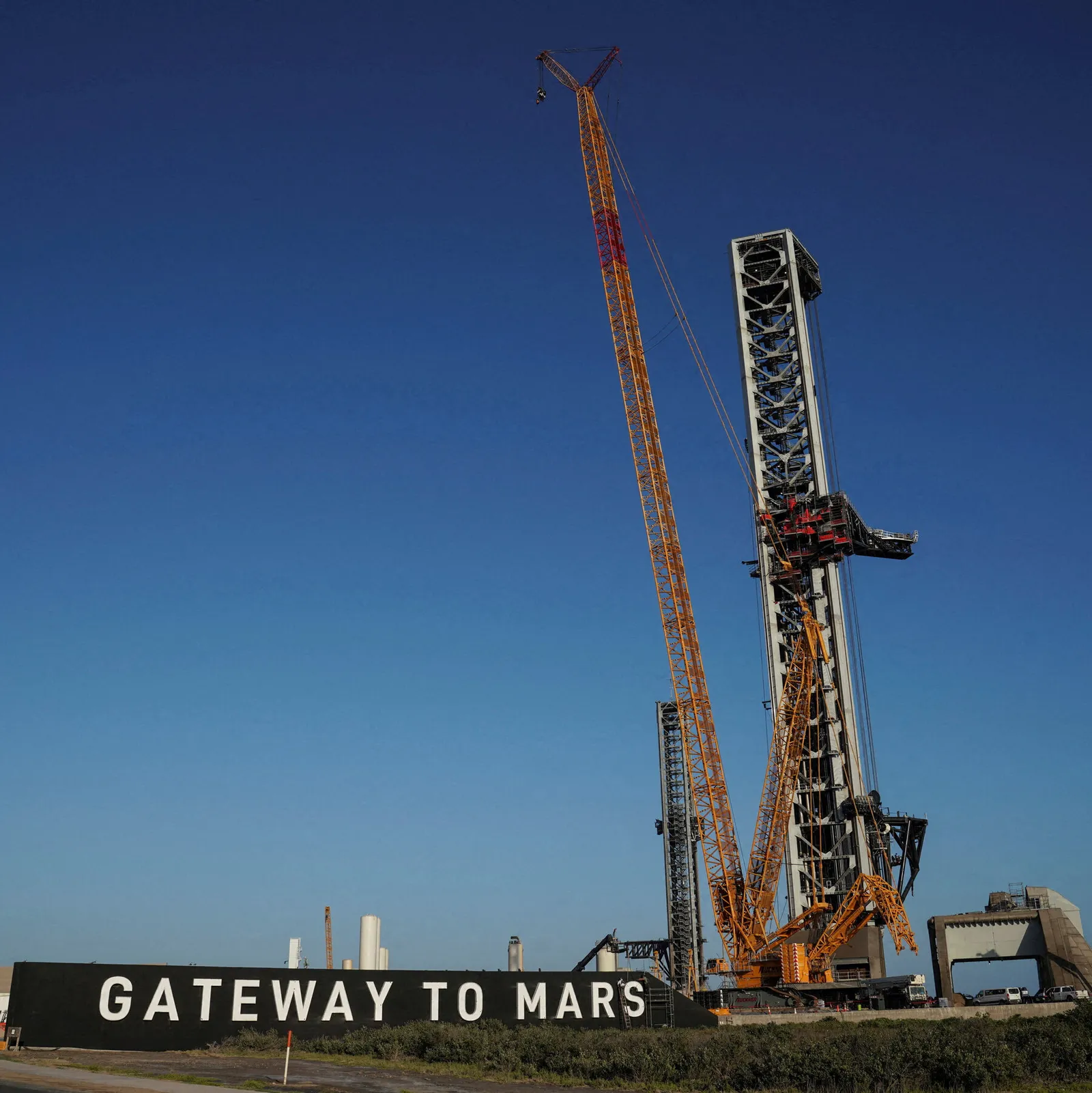
SpaceX IPO looms as A.I. spending frenzy triggers tougher questions on rocket economics
DealBook frames the go-public moment as scrutiny grows over the sector's spending spree and what it means for investors.