
SpaceX IPO looms as A.I. spending frenzy triggers tougher questions on rocket economics
DealBook frames the go-public moment as scrutiny grows over the sector's spending spree and what it means for investors.
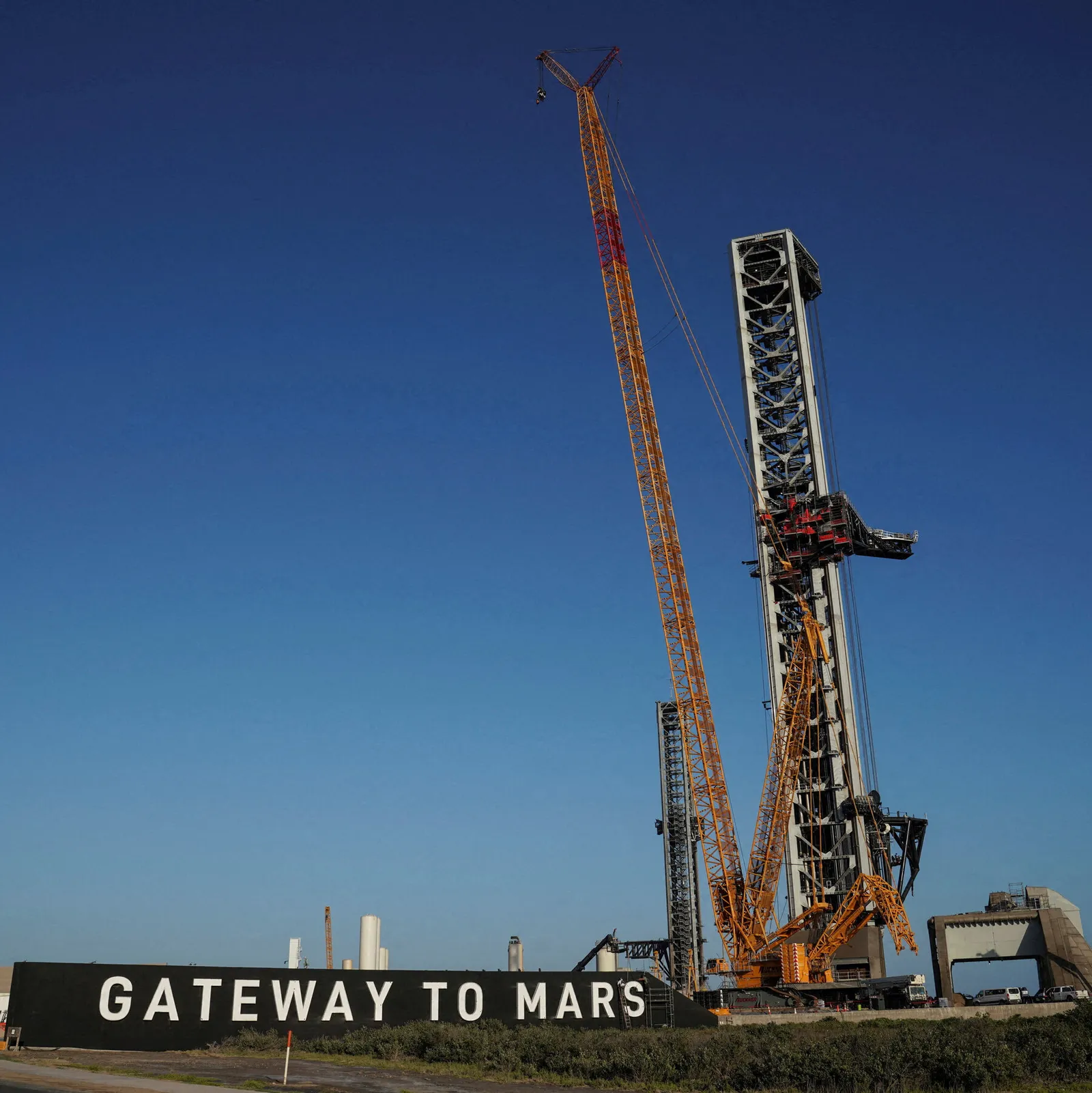
Elon Musk’s rockets-and-A.I. company, SpaceX, is preparing to go public as questions mount about the incredible spending spree across the sector. For decision-makers, the IPO conversation is quickly becoming a test of whether rocket builders and A.I. investors can explain their burn with credible payoffs.
Elon Musk’s rockets-and-A.I. company is going public, and it arrives right as investors and analysts are sharpening the same blunt question: are companies in the sector spending to build something durable, or spending because capital markets reward speed more than proof?
That is the core of DealBook’s framing. SpaceX is preparing for an IPO at a time when “questions grow” over the “incredible spending spree taking place in the sector.” In other words, this is not an IPO story that lives only in SEC paperwork and banker roadshows. It is also a credibility test for an entire investment thesis: that massive, accelerating spend on artificial intelligence, infrastructure, and related capabilities can translate into returns that show up on balance sheets.
To understand why the market is treating this like a high-stakes reckoning, you have to look at how A.I. spending has changed the incentives for both founders and boards. When a new wave of technology hits, spending often becomes a proxy for momentum. Money goes into talent, compute, data, partnerships, and product experiments. Those bets may be strategically rational. But they also create a fairness problem in capital allocation: executives who spent early can claim advantage, while executives who spent less can look cautious, even if they are simply waiting for clearer unit economics.
Now drop that dynamic into an IPO timeline. Going public forces a new kind of discipline. Private companies can treat burn rates as part of the “we’re building” narrative. Public companies must keep explaining themselves every quarter, and they must do it in the language markets understand: revenue trajectories, margin structure, measurable milestones, and risk disclosures that are not easily hand-waved. So even before a single share trades, the expectations around SpaceX’s story are forming in real time. The headline tension is not whether SpaceX has ambition. It is whether investors can underwrite the spending profile without getting lost in the noise.
There is also a second-order board effect here. When a company moves toward public markets, boards often face an awkward job: validate how management explains spending to outsiders, not just how it drives internal progress. That means governance questions become more than “compliance.” They become strategy questions. Is the spending tied to specific revenue engines, or is it supporting a broader technology platform that might pay off later? Is the company building proprietary capabilities that reduce long-term costs, or is it buying expensive access to capabilities that could be replicated? Those are not academic questions. They determine how the market prices risk.
Regulatory context matters too, even when the source stays high-level. An IPO in the U.S. generally means heightened scrutiny of disclosures, funding plans, and the risk factors that could impact investors. For an A.I.-adjacent company, that scrutiny can expand beyond typical corporate issues into how technology is developed and deployed, how spending levels are sustained, and what uncertainties could affect outcomes. Even if the public filing stage has not been detailed here, the go-public process itself is the regulatory checkpoint that turns “trust us” into “show us.”
This matters for executives and investors beyond SpaceX because the sector-level implication is the real story. DealBook’s summary points to “the incredible spending spree taking place in the sector,” suggesting the questions are not isolated to one company. If capital markets decide that A.I. spending is outpacing believable returns, the repricing can spread quickly. Valuations can compress. Funding timelines can stretch. Boards can face more pressure to slow down experiments and accelerate monetization.
For peers considering similar milestones, the strategic stake is straightforward. SpaceX is heading toward public markets in an environment where skepticism is rising, not falling. The company’s challenge is to convert ambitious spending into a narrative that survives public scrutiny, and the market’s challenge is to decide whether that conversion will happen quickly enough to justify current expectations. In the end, this IPO moment is about more than SpaceX. It is about whether investors believe the rockets-and-A.I. combination can beat the gravity of burn rates, and whether the sector’s spending spree has an explanation that holds up when the questions stop being hypothetical.
This story's Key Insights and Take-aways are locked.
Create a free account to unlock Executive Actions for one credit.
Register to UnlockAlways free for Executives Club members. Join the Club
More in Business
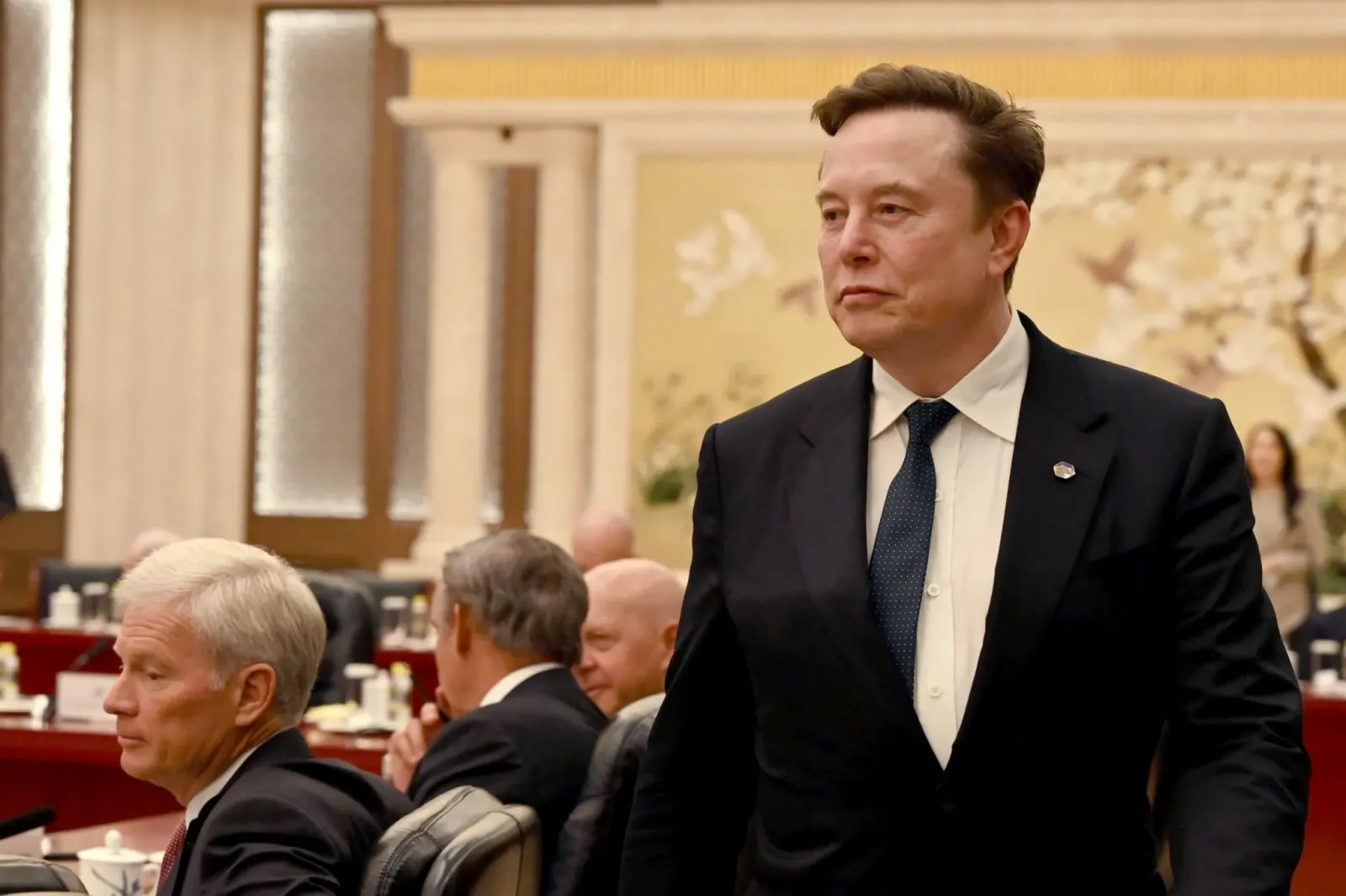
SpaceX IPO: Wedbush calls a Tesla merger “holy grail,” Morningstar pegs $63 fair value
Trading starts June 12 at $135, but analysts are split over a $72-per-share “option premium” on orbital AI dreams.

10% of large employers will drop obesity drug coverage next year as costs rise
As use surges, a growing share of big employers plan to end coverage, shifting the bill and the politics of benefits.
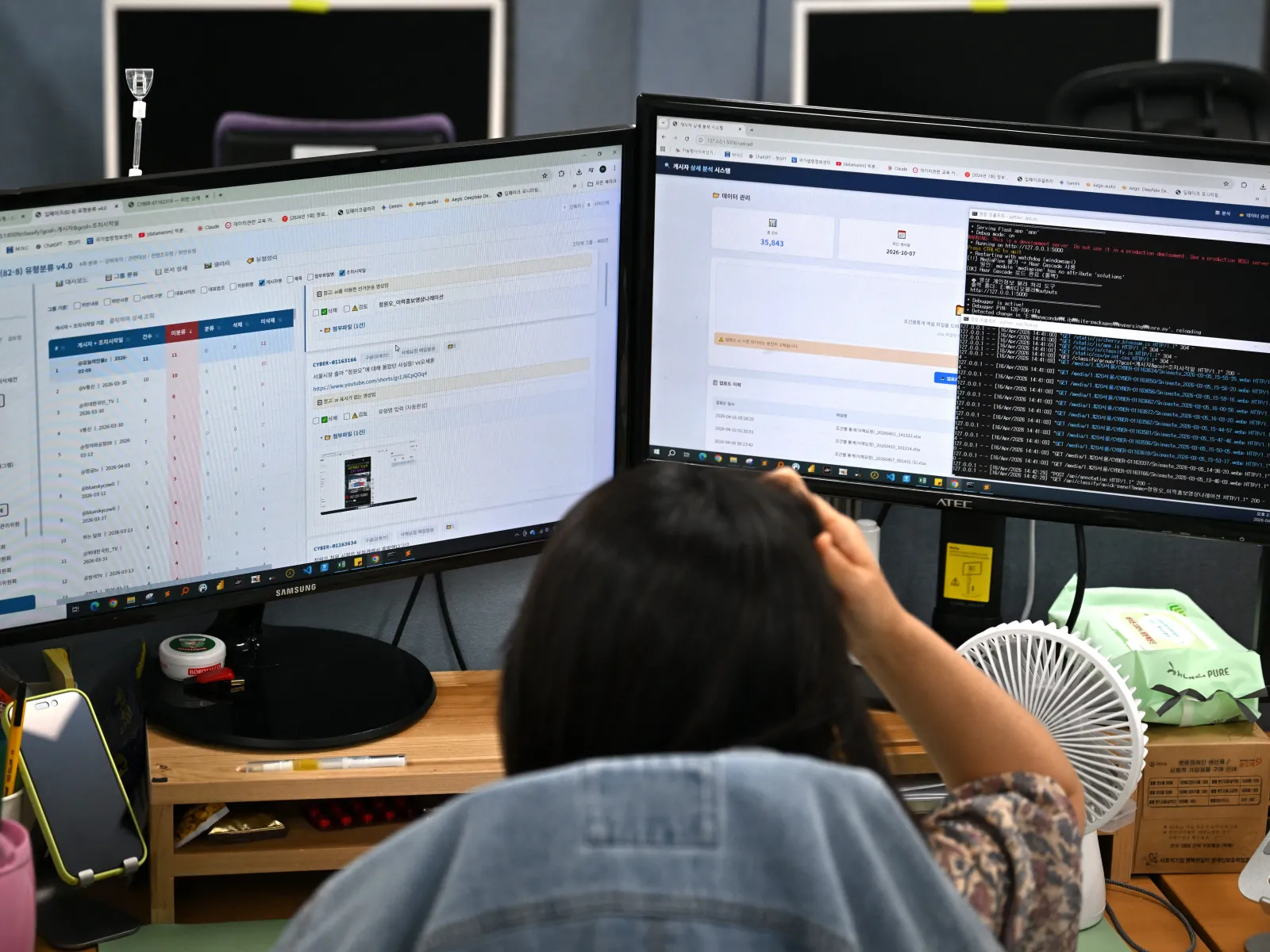
Workers spend 6.4 hours weekly botsitting AI, Glean says, and it drives job exits
Glean’s Work AI Institute finds AI productivity gains stall because employees burn almost a full day supervising and fixing models.