
984 days later, Israel’s Oct. 7 war leaves Netanyahu without “total victory”
After nearly three years of fighting, Foreign Policy argues “total victory” eluded Netanyahu on all fronts.

Foreign Policy frames Israel's Oct. 7 war as effectively over after 984 days of fighting. The consequence for decision-makers is a strategic and political reckoning: the war did not deliver the unified end-state promised by “total victory.”
Foreign Policy is blunt about where the Oct. 7 war has landed: in 984 days of fighting, “total victory” eluded Prime Minister Benjamin Netanyahu “on all fronts.” That matters because “total victory” is not just a slogan. It is a strategy with measurable outputs, especially for a leader whose political standing is tied to outcomes. The claim that the war is “effectively over” signals that the expected finish line never arrived, and the gaps left behind are now the story.
The key detail is the one the piece repeats like a drumbeat: 984 days. That is long enough to grind down any plan, long enough for objectives to evolve, and long enough for the costs to become permanent features of the landscape rather than temporary line items. In that time, Foreign Policy argues, the Netanyahu approach failed to achieve “total victory” everywhere it was supposed to. In other words, the war did not produce a clean, unified conclusion across the full range of fronts that such a claim would imply. For executives and investors watching geopolitics as a risk engine, this is not abstract. When a war cannot deliver the stated end-state, uncertainty tends to outlive the battlefield.
Why does this matter to people who do not live in think-tank reports? Because “total victory” is the kind of political end-state that shapes risk appetites, capital allocation, and regulatory posture. When leaders claim a decisive outcome, markets often price in a future with fewer shocks. But Foreign Policy’s framing suggests that assumption may have been wrong. That changes how decision-makers interpret timelines for escalation or de-escalation, and it changes how boards underwrite exposure to areas affected by conflict spillovers.
Even without laying out new numbers beyond the 984 days, the underlying logic is familiar to anyone who has managed a strategy through volatility. When you cannot complete a strategy’s end-state, you usually get drift: goals get redefined, enforcement gets selective, and resources get stretched across competing priorities. That drift is exactly what “eluded on all fronts” implies. It is not saying there were no operational outcomes. It is saying the promised, holistic outcome did not arrive. For a political leader, that can trigger pressure at home. For corporate and investment leaders, it can trigger pressure from regulators, insurers, counterparties, and creditors who need clarity about how long instability will persist.
There is also a board-level translation here. In corporate crisis management, when top leadership cannot deliver the strategy they sold, the organization usually moves from planning to governance. That means oversight mechanisms, risk reporting, and scenario planning stop being optional and become hard requirements. In geopolitics, the parallel is that government credibility, alliance dynamics, and the predictability of policy all become part of the risk model. Foreign Policy's framing effectively tells readers to treat the Oct. 7 war less like a single closing chapter and more like an ongoing condition that still shapes decision-making.
Second-order effects show up in places that do not make headlines. Supply chains tend to reprice routes even after the guns quiet. Funding costs can shift when uncertainty persists. Credit risk and compliance burdens rise when sanctions regimes, licensing expectations, and reporting requirements do not stabilize quickly. Financial institutions, logistics firms, and multinationals usually build governance around these changes: who signs off on exposure, which risk metrics get escalated, and what triggers a change in posture. If “total victory” has eluded Netanyahu on all fronts, the world does not get a clean permission slip to move on. It gets a reason to keep underwriting the uncertainty that remains.
Finally, this is a warning to peers in similar roles. Foreign Policy’s argument that the war is “effectively over” while “total victory” eluded Netanyahu turns the spotlight from battlefield tactics to political objectives. Leaders do not get judged only by intensity, but by outcomes that are clear enough to justify the costs and to unify constituencies. For decision-makers in other systems of power, the lesson is uncomfortable: when the end-state does not come, the strategic narrative can outlast the operational timeline, shaping policy, capital, and governance long after the initial urgency fades.
This story's Key Insights and Take-aways are locked.
Create a free account to unlock Executive Actions for one credit.
Register to UnlockAlways free for Executives Club members. Join the Club
More in Politics
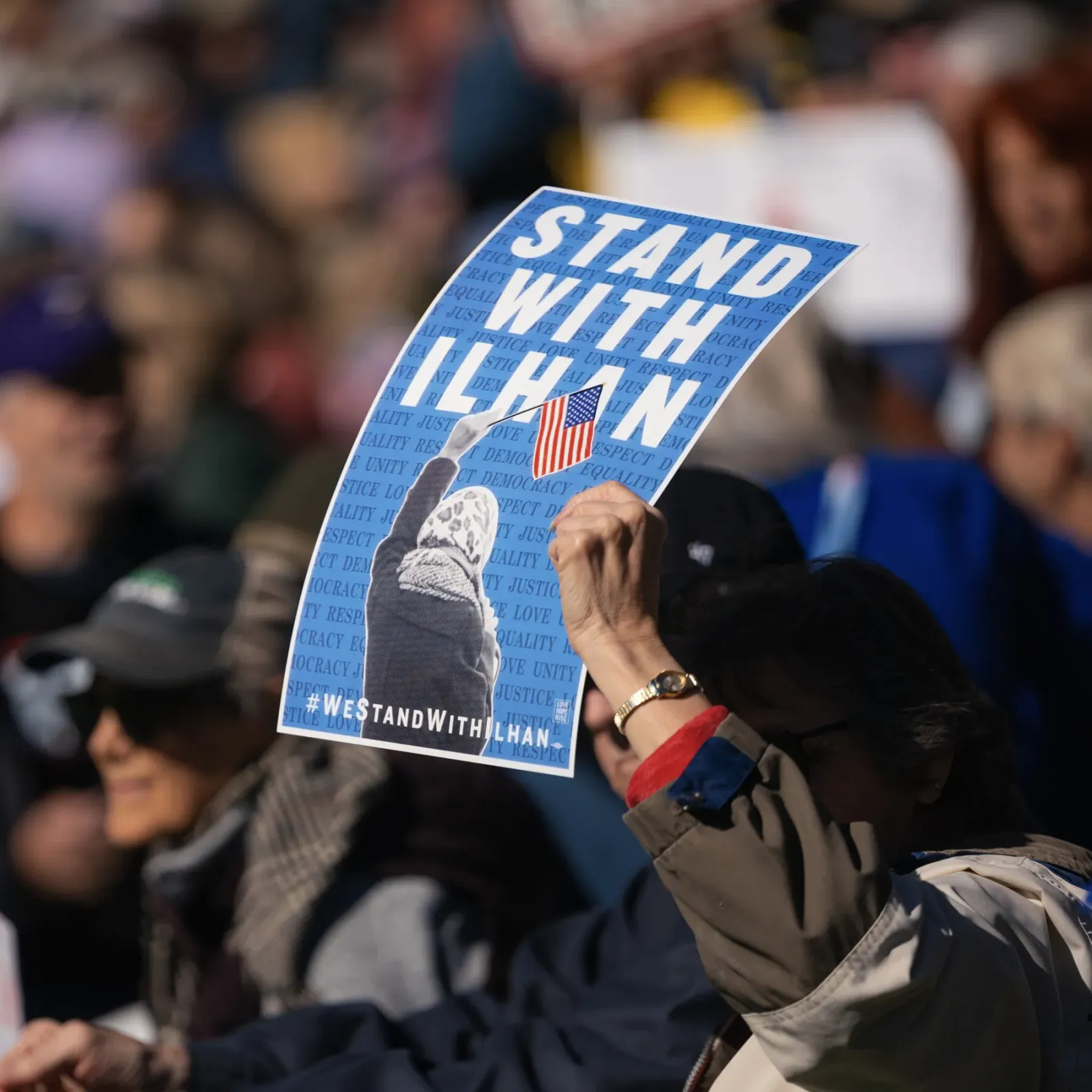
Obama Defends Ilhan Omar After Agents Search Her Home in Trump Inquiry
The former president's intervention raises the stakes in a federal probe into immigration paperwork that has put a prominent progressive lawmaker in the crosshairs.

Blair-era minister: cut welfare to fund youth job support
Alan Milburn's call for welfare cuts to fund employment support opens a Labour fight over benefits and the Neet crisis.
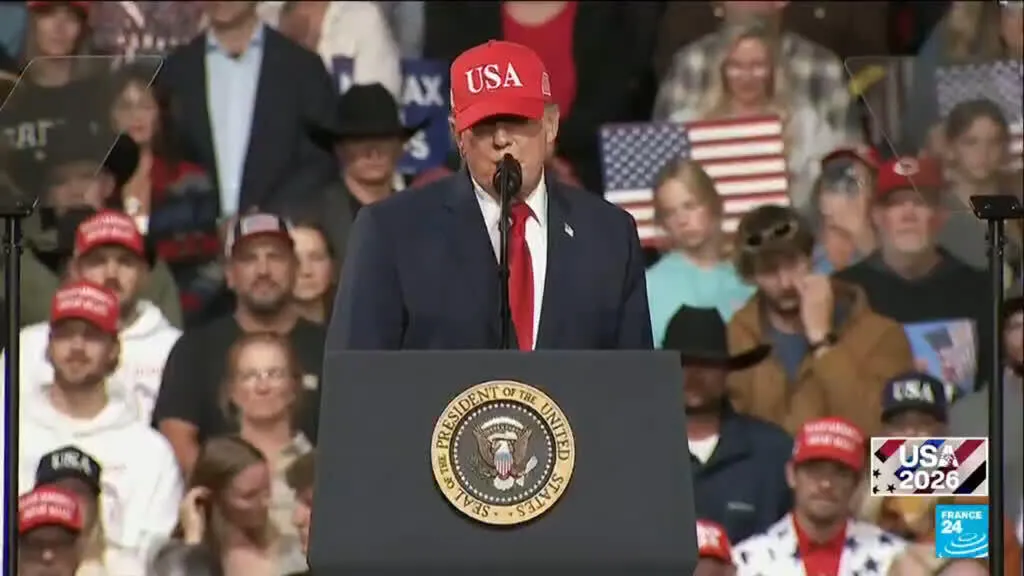
Hot September CPI: energy costs surge, voters feel the squeeze before midterms
The latest inflation print lands as Trump campaigns for GOP control of Congress, putting cost-of-living worries at the center of the midterm fight.