
Pope Leo XIV urges breakaway Catholics to cancel bishop consecrations before schism risk
The Pope’s direct plea targets a planned consecration that could split the mainstream Catholic Church and reshape authority.
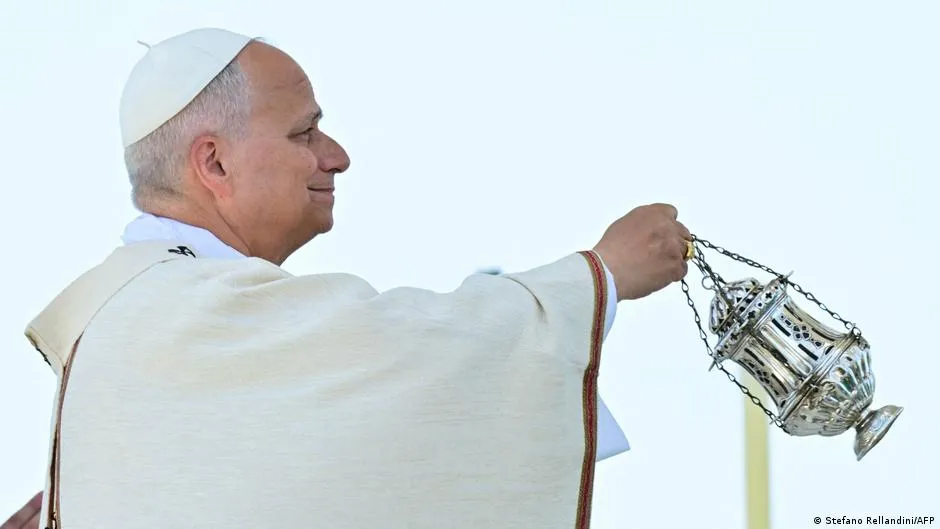
Pope Leo XIV has called on a rebel Catholic group to call off a planned consecration of bishops. The potential consequence is a full schism with the mainstream Catholic Church.
Pope Leo XIV has stepped directly into a brewing conflict by calling on a rebel Catholic group to call off a planned consecration of bishops. The reason is blunt: if the consecration proceeds, it could trigger a full schism with the mainstream Catholic Church.
That is not just internal church drama. In Catholicism, consecrating bishops is not symbolic. Bishops are the institutional backbone for teaching authority, sacramental leadership, and the ability to carry a church’s structure forward over time. So when a rival group moves to consecrate bishops anyway, it is effectively claiming the right to continue the Church’s governance and spiritual lineage outside the mainstream. The Pope’s appeal is therefore a last-ditch attempt to stop a clock from running that could harden into parallel authority.
To understand why this matters far beyond church politics, it helps to remember how legitimacy gets built in hierarchical institutions. The mainstream Catholic Church’s authority is reinforced through its recognized chain of succession, and bishops are the mechanism that keeps that chain intact. When a breakaway faction consecrates bishops, it can create a competing hierarchy that followers may regard as valid, even if the mainstream Church rejects it. That is the recipe for a schism: not merely disagreement, but an organizational reality where two versions of authority coexist, each with loyalists and institutional momentum.
The Pope’s request is also a window into incentives. Rebel groups often plan actions like consecrations because they think delay equals losing leverage. If the mainstream institution can get time and negotiation, it can pressure leaders, absorb or redirect supporters, and prevent the institutional scaffolding of the split. For the rebel group, however, delaying a planned consecration can mean postponing the moment when it can recruit clergy, consolidate networks, and demonstrate operational capacity. The Pope’s plea is essentially an attempt to break that incentive cycle before it locks in.
There is also a second-order governance angle. Most organizations, whether churches, states, or regulated industries, can tolerate controversy. What they struggle to absorb is the emergence of parallel systems that deliver the same core functions. In this case, consecrated bishops are the mechanism that can deliver core functions tied to ecclesial authority. If the mainstream and breakaway Catholic structures both produce bishops recognized by their own bases, the result is a governance fork. That can lead to long-term fragmentation, not a short-term flare-up.
From a regulatory framing perspective, schisms can be stabilizing or destabilizing depending on how followers, local clergy, and institutions respond. Even where the Catholic Church is not “regulated” like a corporation, legitimacy still has practical consequences for communities, charitable bodies, education, and other organized activity that often depends on recognized leadership. Once rival bishops are on the ground, the question becomes which leadership is acknowledged for governance, affiliation, and continuity. Those outcomes tend to persist because institutions do not want to rebuild themselves every time a dispute flares.
For boards, investors, and leaders in adjacent sectors, the business-relevant lesson is uncomfortable but familiar. When authority structures face a legitimacy showdown, the first decisive procedural step often matters more than the debate that follows. A planned consecration of bishops is such a procedural step. If it proceeds despite the Pope’s call, it can create irreversible momentum by establishing competing leadership with real organizational capacity.
So the stake is immediate and structural. Pope Leo XIV is not asking for vague “calm” or “reflection.” He is asking the rebel group to call off a planned consecration that could trigger a full schism with the mainstream Catholic Church. If the consecration happens, the Church may face a prolonged period of division where reconciliation becomes harder, loyalties become entrenched, and the institutional map of authority changes permanently.
This story's Key Insights and Take-aways are locked.
Create a free account to unlock Executive Actions for one credit.
Register to UnlockAlways free for Executives Club members. Join the Club
More in Politics
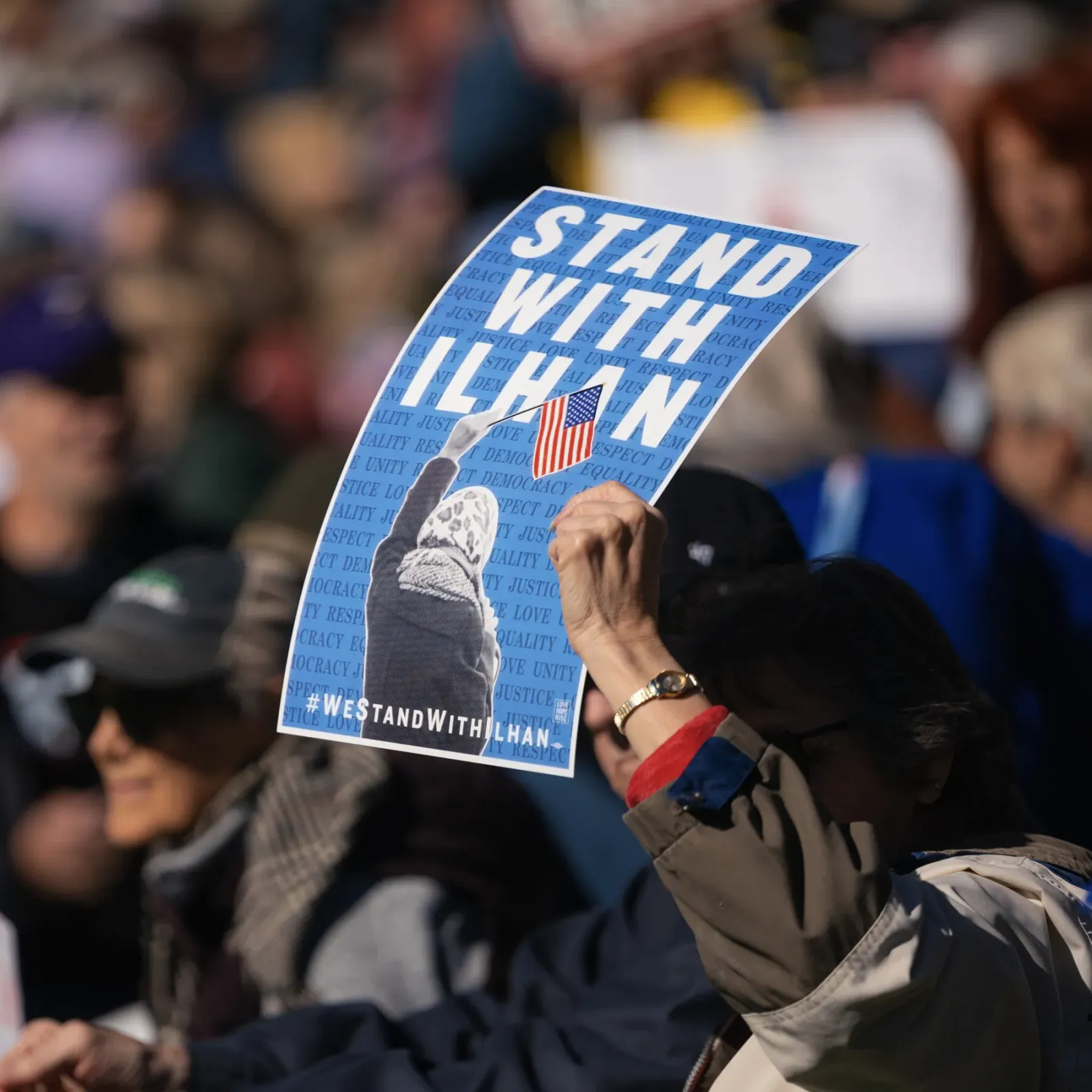
Obama Defends Ilhan Omar After Agents Search Her Home in Trump Inquiry
The former president's intervention raises the stakes in a federal probe into immigration paperwork that has put a prominent progressive lawmaker in the crosshairs.

Blair-era minister: cut welfare to fund youth job support
Alan Milburn's call for welfare cuts to fund employment support opens a Labour fight over benefits and the Neet crisis.
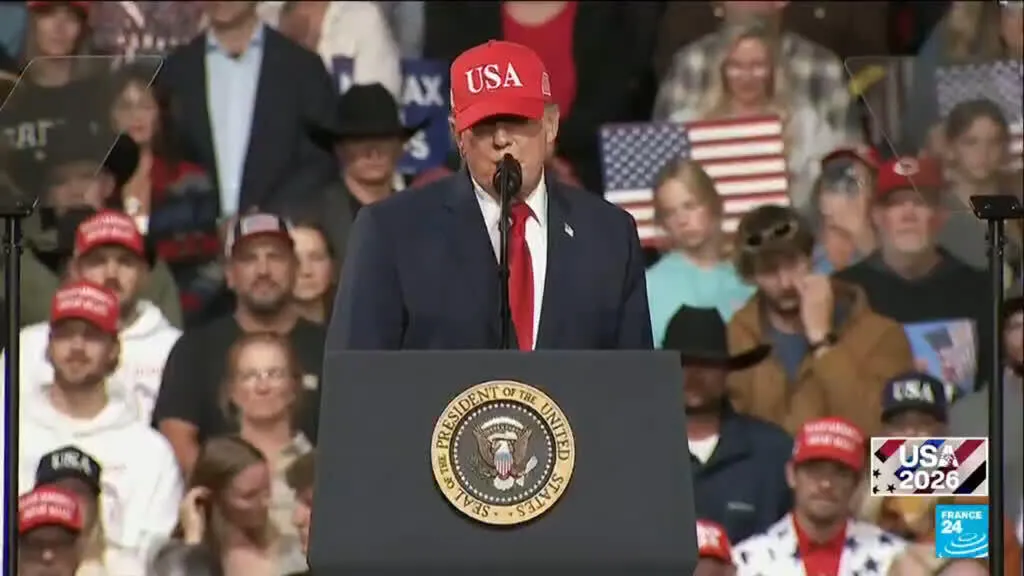
Hot September CPI: energy costs surge, voters feel the squeeze before midterms
The latest inflation print lands as Trump campaigns for GOP control of Congress, putting cost-of-living worries at the center of the midterm fight.