
US cease-fire durability hinges on Iran’s elite schism, not just battlefield truce terms
Foreign Policy argues Washington must treat Tehran’s internal politics as a first-order variable for whether the cease-fire holds.
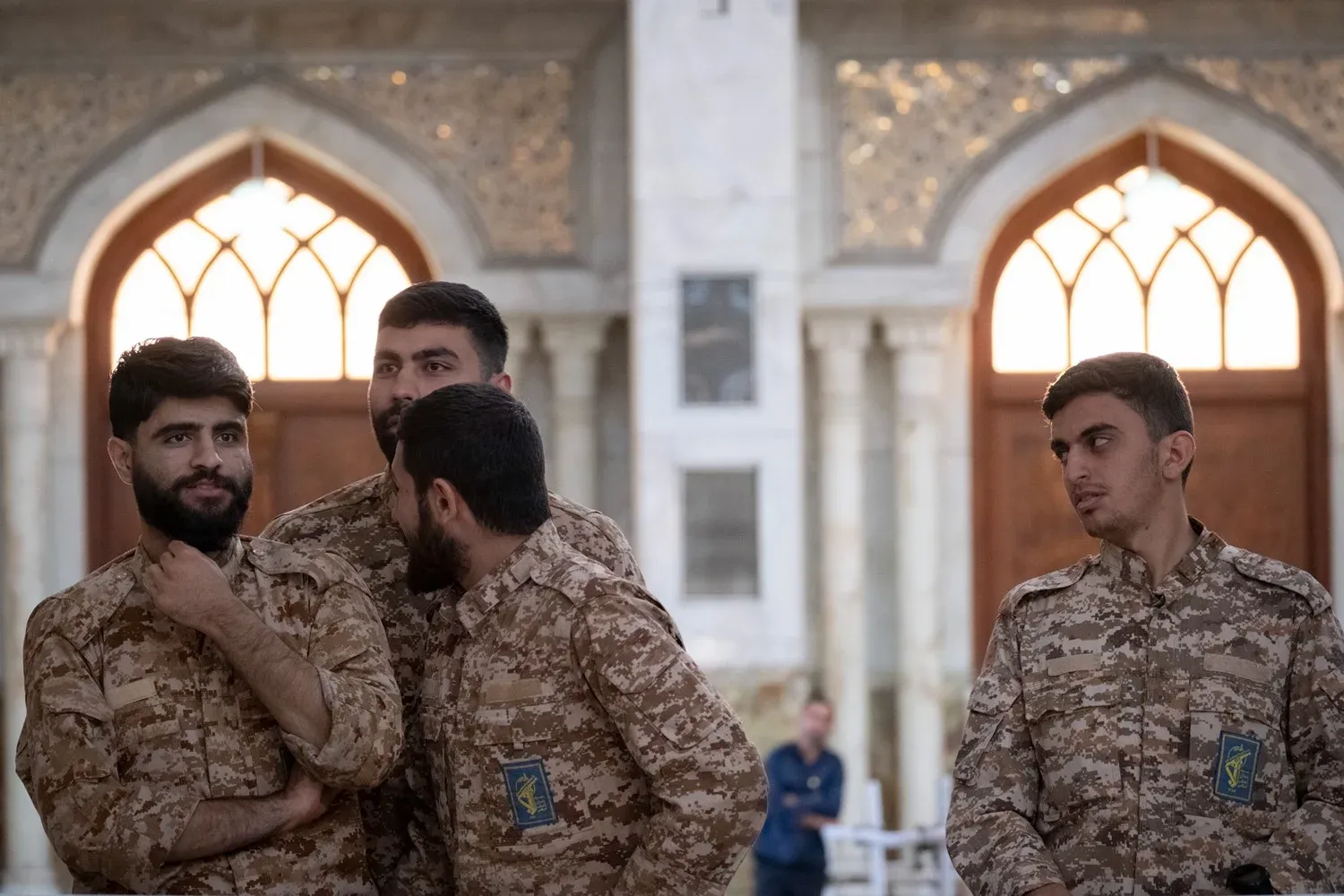
Foreign Policy says the United States cannot secure a durable cease-fire by focusing only on external terms; it must take Tehran’s internal politics seriously. The consequence is straightforward: decision-makers who ignore Iranian elite disagreement risk watching the cease-fire unravel on the inside.
Foreign Policy’s core point is blunt: if the United States wants the cease-fire to last, it has to take Tehran’s politics seriously. Not as background noise. As the main event.
That matters because “cease-fire” outcomes are rarely only about what gets signed or announced. They depend on whether the people inside the relevant capitals think the pause is worth sustaining, who benefits from it, and what they believe will happen if they push for something else. In Iran, Foreign Policy highlights that the country’s elites are not in agreement about what to do next. If that lack of agreement persists, then the cease-fire becomes less like a stable settlement and more like a temporary suspension that different factions can try to bend in their favor.
For executives and investors, the translation is simple: cease-fires, like regulatory regimes, are governance problems before they are operational ones. A truce is a constraint on behavior, and constraints always meet incentives. In this case, the incentive structure is inside Iran, where internal political contestation can determine whether compliance stays high or whether enforcement turns selective, rhetorical, or uneven. Even if external parties cooperate on paper, internal disagreement can generate delays, carve-outs, or incidents that effectively “re-open” the policy conversation.
This is where Washington’s risk management mindset gets tested. The temptation in international negotiations is to treat outcomes as a function of bargaining. You set terms. You get buy-in. You monitor. But Foreign Policy is arguing for a different model: the United States needs to understand Tehran’s internal political dynamics, because those dynamics shape the durability of any external commitment. If elites in Tehran are not aligned on what comes next, then the cease-fire is not just a tactical pause. It is a contested interim arrangement.
There is also a second-order implication for anyone tracking markets or compliance. When political consensus is uncertain, the probability of abrupt changes rises, even without a formal break. That uncertainty can show up indirectly through financing conditions, sanctions risk perceptions, counterpart behavior, and contract execution. In regulated spaces, the practical question becomes: which interpretation of policy will prevail? If Iranian elites cannot agree on next steps, then the range of plausible future actions expands, and so does the compliance burden for organizations that depend on predictable cross-border rules.
Boards and senior leaders often think about these situations as “headline risk.” But Foreign Policy is making it a “process risk” argument. Internal disagreements can produce inconsistent signaling, and inconsistent signaling can create delays in implementation, ambiguity in enforcement, and friction in coordination among stakeholders. That means the operational goal is not merely to maintain a cease-fire line in the short run, but to support the internal conditions that keep elites aligned long enough for the pause to survive.
For decision-makers considering how to structure engagement, resources, or conditionality, the strategic stake is time and credibility. If the United States does not take Tehran’s politics seriously, it may optimize for an announcement rather than an outcome that sticks. If elites are split on what to do next, then sustaining the cease-fire will require ongoing attention to who has leverage, how intra-elite debates affect policy implementation, and what incentives keep each faction from undermining the arrangement.
In other words, Foreign Policy is telling the United States not to treat Iranian politics as an academic variable. It is the mechanism that determines whether the cease-fire becomes a durable foundation or a temporary pause that collapses when internal disagreements finally find their opening.
This story's Key Insights and Take-aways are locked.
Create a free account to unlock Executive Actions for one credit.
Register to UnlockAlways free for Executives Club members. Join the Club
More in Politics

Obama Defends Ilhan Omar After Agents Search Her Home in Trump Inquiry
The former president's intervention raises the stakes in a federal probe into immigration paperwork that has put a prominent progressive lawmaker in the crosshairs.

Blair-era minister: cut welfare to fund youth job support
Alan Milburn's call for welfare cuts to fund employment support opens a Labour fight over benefits and the Neet crisis.

Hot September CPI: energy costs surge, voters feel the squeeze before midterms
The latest inflation print lands as Trump campaigns for GOP control of Congress, putting cost-of-living worries at the center of the midterm fight.