
A 700-year-old Inuit carving of a European predates Columbus by a century
A 2.1-inch Inuit carving reveals Norse-Indigenous contact a century before Columbus.
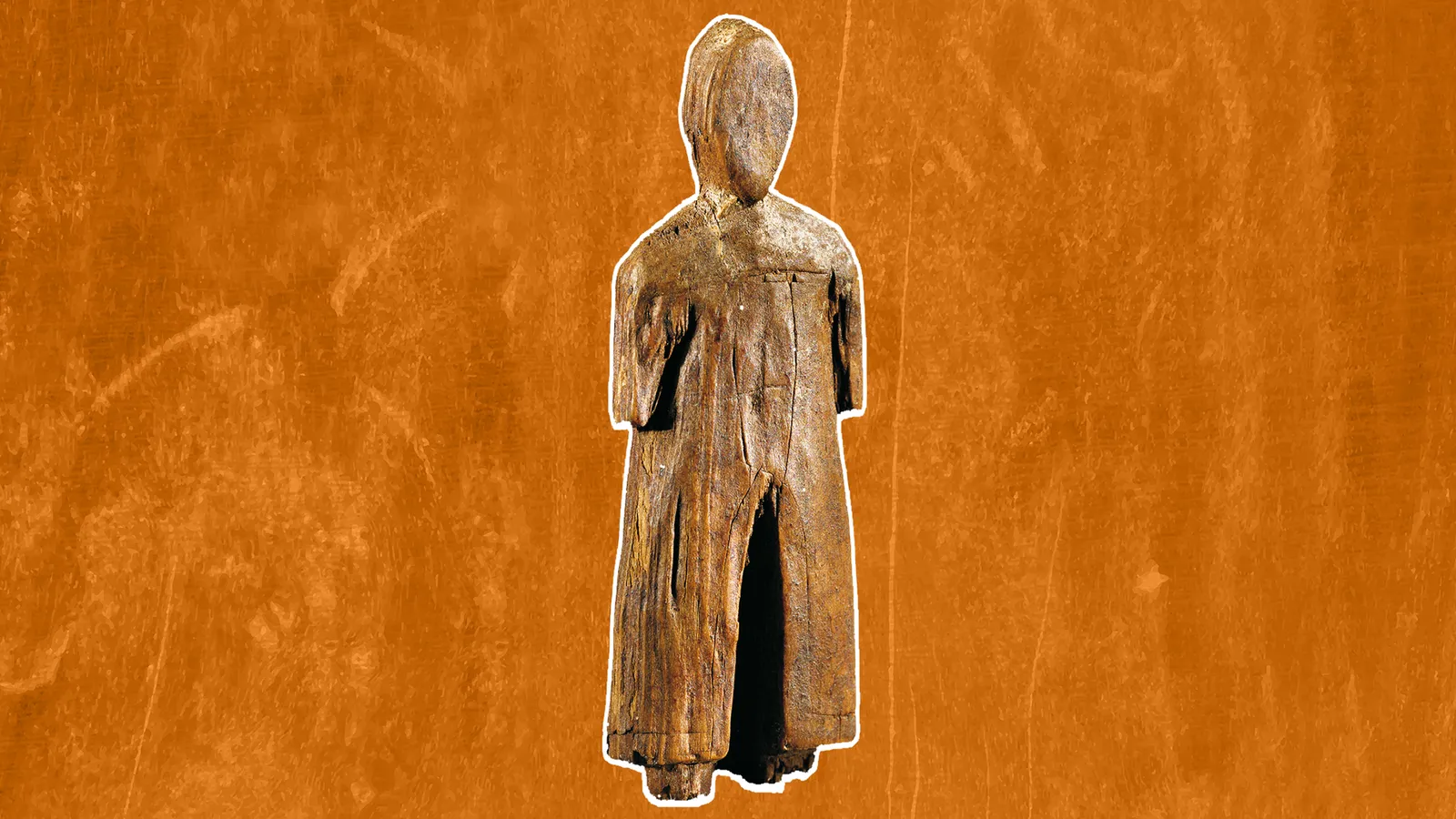
The Canadian Museum of History's 1350 Inuit figurine, carved on Baffin Island, is the earliest Indigenous depiction of a European in the Western Hemisphere, likely a Norseman. For executives, it's a case study in pre-globalization trade networks and the value of Indigenous perspectives in historical record.
A 700-year-old Inuit carving of a European predates Columbus by a century - and it's now on display at the Canadian Museum of History. The tiny driftwood figurine, dated to circa 1350, is the earliest Indigenous representation of a European anywhere in the Western Hemisphere, likely depicting a Norseman. That makes it a rare artifact of first contact, carved by someone who actually saw a European before the age of exploration officially began.
Discovered in 1977 in an early Inuit house on Baffin Island, Nunavut, the 2.1-inch carving shows a figure in a long robe or tunic with a cross on its chest - clothing consistent with Norse Christians from Greenland in the 11th to 13th centuries. Its featureless face and stumpy arms are typical of 14th-century Inuit carvings, but the subject is anything but typical. The artisan chose to depict a foreigner, and the details they preserved - the cross, the robe - tell us exactly what they noticed.
The Norse sagas mention Helluland, which Leif Eriksson visited in the early 11th century and is most likely Baffin Island. Around 1000, Norse explorers landed in Newfoundland and established l'Anse aux Meadows, the earliest European settlement in the Americas, leaving only wood buildings and iron production remains. That settlement was short-lived, but the Norse did not simply sail home and forget the New World. For context, Norse Greenland was a remote outpost of the medieval North Atlantic world, and its settlers depended on trade with Europe for iron and other goods.
Instead, they built a trade network. The Norse likely made multiple trips from Greenland to Canada over the centuries to exchange metal and cloth with the Inuit's ancestors, the Thule, and procure walrus ivory in return. European-origin artifacts have been found in early Inuit houses on Baffin Island, confirming that these were not one-off encounters but a sustained, if informal, commercial relationship. The Thule, who had migrated across the Arctic from Alaska, brought their own sophisticated tools and boats to the exchange.
This figurine may commemorate a meeting between the Inuit and the Norse, and it was crafted long before sustained contact in the late 15th century. It is the earliest evidence of the Indigenous perspective of visitors from the east, revealing which characteristics of the Norse the artisan observed and felt important to depict. In that sense, it is a piece of market research from the other side of the table - a record of what a local population valued and remembered about outsiders. The cross was a marker of identity that distinguished the Norse from every other person the Inuit had encountered.
For modern executives, the figurine is a case study in pre-globalization trade networks. The Norse built a supply chain across the North Atlantic, but eventually abandoned their westward routes, possibly due to Indigenous resistance and the long distance. The lesson is that even the most ambitious expansion can unravel when the cost of maintaining relationships exceeds the value of the goods. The Norse had the first-mover advantage, but they could not sustain it.
The carving also underscores the importance of local perception. The Inuit artisan chose to depict the cross and the robe - the markers of identity that mattered most in that encounter. In any market entry, understanding how you are perceived on the ground can be as critical as the product you bring. The Norse may have brought metal and cloth, but what the Inuit remembered was the symbol of a foreign belief system. That asymmetry in perception is a risk every executive should model.
As the museum notes, the figurine is especially important because it predates sustained contact by a century, offering a rare glimpse of first impressions. For decision-makers, it's a reminder that the earliest signals in any relationship - trade, partnership, or expansion - often carry the most information, even if they arrive in the form of a 2.1-inch piece of driftwood. The question is whether you are paying attention to the details that matter to the other side.
This story's Key Insights and Take-aways are locked.
Create a free account to unlock Executive Actions for one credit.
Register to UnlockAlways free for Executives Club members. Join the Club
More in Science
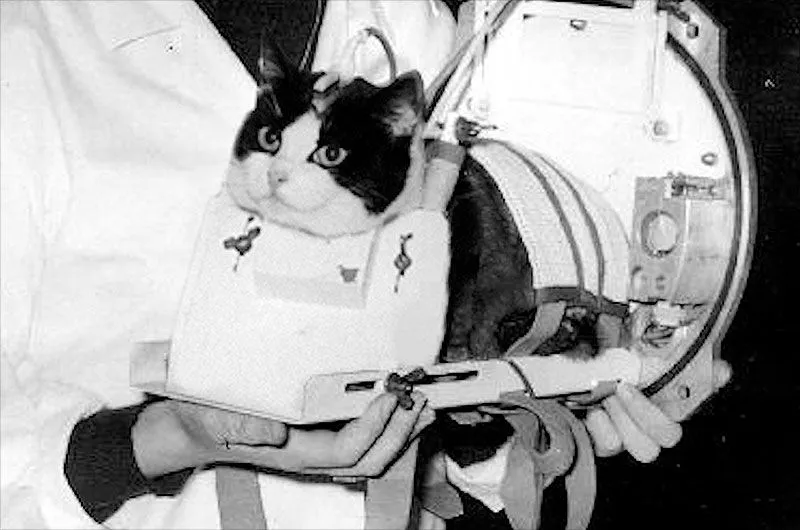
France euthanized Félicette, the first cat in space, two months after her flight
Félicette's 1963 flight made France a space-race player, but her euthanasia and a crowdfunded statue reveal how high-risk programs are remembered.

Ultracold atoms just created a 'fractional Fermi sea' that breaks quantum rules
A new quantum state challenges decades of theory and hints at 'super-Fermions,' with real stakes for quantum computing and materials science.

Bangladesh's 202,000 measles cases are a 'real warning' to other nations
The world's worst measles outbreak is spreading as routine vaccination falters. Here is why every country's immunization program should pay attention.