
A24 drops its Redbubble takedown request for Backrooms art after Kane Parsons intervenes
A24 says online creatives have rights to tell their own version, clarifying what it claims and what it doesn’t.
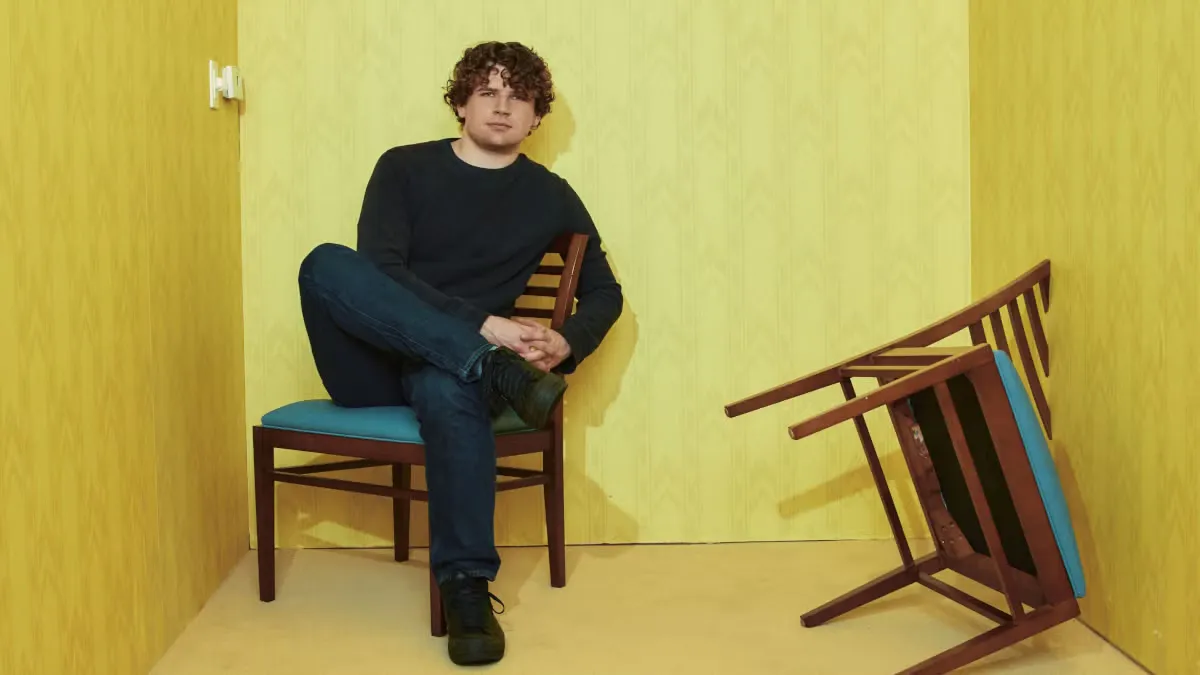
A24 backed down from a Redbubble takedown request tied to “Backrooms”-inspired artwork after Kane Parsons, director of Backrooms, intervened. The retreat clarifies IP boundaries around a community-built horror concept that helped make A24’s Backrooms its highest-grossing film.
A24 changed course on Friday after Backrooms director Kane Parsons stepped in over a copyright takedown involving “Backrooms”-inspired art on Redbubble. The dispute began when Reddit user u/GnarlyNet reported that A24 had requested that their artwork be taken down, claiming the complaint was made to Redbubble on behalf of A24 Films LLC.
In its statement, A24 said it makes “no claim of ownership over the yellow wallpaper, the original post referencing it, or any of the community works that have since been built around it.” The studio also said it will continue to support the artists who, like Kane, were inspired by the concept. In other words, A24 was not trying to own the broader internet-grown “Backrooms” look and lore, even though it clearly has rights tied to its film.
This matters because “Backrooms” is a rare case where a movie did not start as a clean, single-author IP vault. The concept traces back to a 2019 4chan post: an anonymous user invited people to “post disquieting images that just feel ‘off,'” and the thread kicked off with an image of empty rooms, yellow fluorescents, and pale wallpaper, now widely recognized as referencing an old furniture store that is alluded to in the film. Another anonymous user replied with lore-heavy text, including the “noclip out of reality” idea and descriptions of mono-yellow endless rooms and the fear of something wandering nearby. From there, the internet iterated. People built on the concept, creating variations and expansions that turned the idea into an ecosystem.
Kane Parsons enters the story here as a translator, not an originator. The source says Parsons did not “create the concept of Backrooms itself.” Instead, he developed a series of YouTube videos establishing his own set of lore, which eventually caught A24’s attention and led to his feature directorial debut. That sequence is crucial for understanding why this dispute feels different from a straightforward studio-versus-fan copyright fight. It is hard to draw a crisp line between “inspired by a film” and “built from a community concept” when the community started iterating before the feature existed, and continues iterating after.
The immediate trigger was a comment Parsons made. According to the source, the issue was brought to A24 by Parsons, who is the director of Backrooms, himself. On Wednesday, he commented on the initial Reddit post saying: “I’m looking into this. Should not be happening.” u/GnarlyNet also described the issue and responded with a framing of IP boundaries, saying rights tied to any specific film adaptation should not be treated as ownership of the entire Backrooms concept, its broader visual language, or the community lore around it.
A24’s Friday statement appears to align with that boundary-setting. The studio said the “Backrooms” content that spawned from the initial post rather than Parsons’ film does not belong to the studio. This distinction is the legal and practical center of the whole thing: what exactly is protected, and who can claim it. Copyright does not usually protect ideas in the abstract the way people wish it did. It protects expressions, and that means studios often end up protecting specific creative elements tied to their work while arguing that broader themes or earlier community material is not theirs.
Even so, the practical consequences for executives go beyond one artist’s Redbubble listing. The source says “Backrooms” has made more than $370 million and become A24’s highest-grossing film. When a studio’s film becomes a cultural platform, the studio becomes the default IP referee, even when the “concept” was not invented inside their walls. That creates operational risk: if takedowns are perceived as overreach, studios risk backlash from the exact audience that drives meme-to-culture momentum.
There is also a broader industry pattern lurking here. The source points to Warner Bros. as a potential next stress test, noting that Zach Cregger and Brian Duffield are developing a film based on the creepy pasta concept Siren Head. If those creators rely on or expand a collective-creature lore that has been iterated across the internet, the same question returns: when the community contributes to the story, what gets owned when a film arrives?
For boards and deal-minded leaders, the second-order lesson is that IP strategy is no longer only about lawsuits and takedowns. It is about perception, platform relationships, and how quickly a narrative ecosystem can surface a dispute. Studios need clear internal alignment on what takedowns should target, how to handle community-derived elements, and when to unwind a request. A24’s retreat here is a reminder that the fastest way to lose goodwill is to treat fan-made or community-first material as if it were movie-owned. The fastest way to maintain momentum is to draw boundaries early, communicate them clearly, and back them up when the community calls the bluff.
This story's Key Insights and Take-aways are locked.
Create a free account to unlock Executive Actions for one credit.
Register to UnlockAlways free for Executives Club members. Join the Club
More in Science

Alaska's 1,580-foot tsunami had warning signs. Scientists just found them.
Rapid glacier retreat, heavy rainfall, and thousands of tiny tremors preceded Alaska's 1,580-foot tsunami, a warning for every coastal community in a warming world.

The rare mutation that lets high-risk brains dodge Alzheimer's
Scientists found a natural defense against protein buildup, opening a new path to preventive treatments.

3,000 steps a day may halve Alzheimer's decline, study finds
New research links a modest daily walk to less tau buildup and nearly half the cognitive and functional decline, even for those with early signs.