
ACLU finds Louisville and Minneapolis still misuse Tasers after DOJ quit police oversight
DOJ called reforms “factually unjustified.” New records review finds repeated force tied to mental health crises.
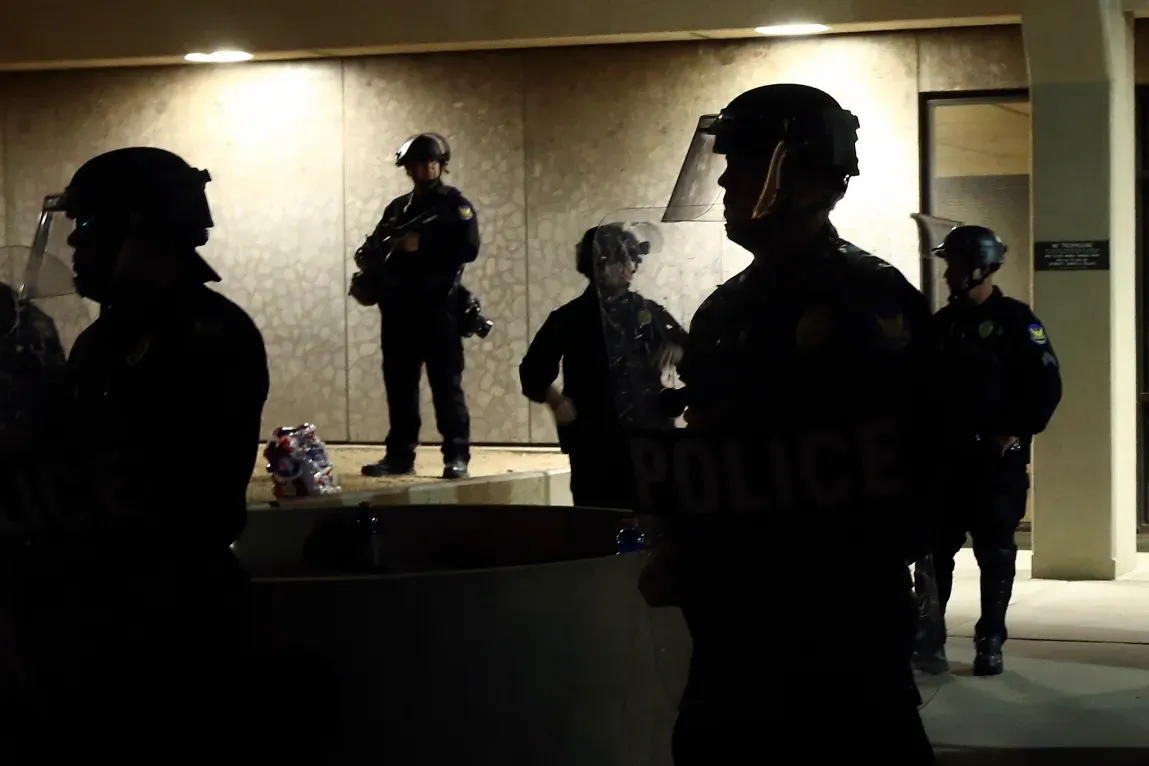
The ACLU reviewed hundreds of police use-of-force reports in Phoenix, Louisville, Worcester, Minneapolis, Mount Vernon, and Memphis, arguing misconduct persisted after the Trump Justice Department dropped oversight. For boards and executives watching public safety and regulatory risk, the consequence is clear: compliance weak spots did not disappear when federal scrutiny did.
Last year, the Trump Justice Department dropped federal oversight of troubled police departments in cities including Louisville, Kentucky, and Minneapolis, arguing the reform efforts were “factually unjustified.” Now a new report by the American Civil Liberties Union says officers in those communities were continuing the very behaviors that helped trigger federal attention in the first place, including excessive and dangerous force against people experiencing mental health crises.
The ACLU says it reviewed hundreds of police use-of-force reports across four communities where, under the Biden administration, the DOJ had found evidence of unconstitutional policing. In that review, ACLU investigators found agencies continuing to misuse Tasers and failing to properly review officers’ use of force. One case described in the report: Minneapolis police repeatedly shocked a man with a Taser after he complied with officers’ orders. Another: a Louisville officer broke a man’s car window during a mental health call while a second officer pointed a gun, escalating the encounter, according to the report. After the man brandished a knife, the officers hit him with a baton and shocked him seven times.
Zoom out for a second, because this is bigger than Minneapolis and Louisville. In the U.S., police reform has often depended on federal pressure when local systems stall. The Trump DOJ’s decision to step back after concluding reforms were “factually unjustified” was a high-stakes bet that local oversight and internal change would hold the line. The ACLU’s report challenges that bet by suggesting that, at least in the late-2024 to early-2025 window it examined, some departments were not merely “improving,” they were repeating the patterns investigators previously flagged.
The timing matters because the records primarily span from late 2024, after President Donald Trump won a second term, to early 2025 as the new administration began shifting the Justice Department away from its traditional civil rights enforcement focus. That shift is the context the ACLU points to as it describes its goal: hold local police accountable in the absence of federal oversight and keep reforms moving in communities where investigators had found concerns about excessive force and racial targeting. To do it, the nonprofit made public records requests for reports detailing officers’ use of force and other records from police or sheriff departments in Phoenix, Louisville, Worcester, Massachusetts, Minneapolis, Mount Vernon, New York, and Memphis.
The report is also explicit that it relied on documentation beyond this ACLU effort. It cites ProPublica reporting that has detailed police misconduct and reform efforts in Louisville and Memphis, Tennessee. And it pulls in a separate thread of enforcement that has been under intense scrutiny: in the fall of 2025, Trump deployed hundreds of National Guard troops, U.S. Marshals, and immigration officials to Memphis because, he said, “of the crime that’s going on.” ProPublica found that the operation ensnared innocent residents of the majority-Black city who said they were targeted and harassed because of their race. The U.S. Marshals Service disputed the claims of racial profiling. That broader enforcement backdrop matters because it underscores how quickly attention and resources can shift away from civil rights enforcement and toward other priorities, leaving local accountability systems to fend for themselves.
The ACLU’s report spotlights Louisville and Minneapolis particularly because they signed reform agreements with the Biden Justice Department before the Trump administration dropped the underlying lawsuits and quashed the cases in 2025. Those cities were also more forthcoming than others, according to the report, which is a reminder that “data availability” can shape what regulators and watchdogs can prove. According to the ACLU, Louisville Metro Police Department officers used excessive force, including striking people in their face, head, or body while they were handcuffed, and failed to adequately review incidents of force. The ACLU also says officers mischaracterized facts during those reviews to make force appear more reasonable. A spokesperson for the Louisville police department told ProPublica it “reviews use-of-force incidents through multiple layers of supervision,” and that when policy violations are identified, “appropriate corrective action is taken.”
Meanwhile, the escalation of encounters during mental health crises is where the story becomes hardest to dismiss as a procedural disagreement. The ACLU says police in both cities pointed their guns at people in mental health crisis situations. In March, Louisville police officers fatally shot and killed a 28-year-old woman named Katelyn Hall in her apartment while she was experiencing a mental health crisis. Police said Hall posed a threat to officers because, they said, she was holding a piece of broken porcelain. Two months later, a Louisville police officer shot and killed 27-year-old Martin Nitzken Jr., who was unarmed and naked in the street. A caller reported Nitzken was having a “mental break,” according to local reports. The officer who shot Nitzken was indicted on charges of manslaughter and reckless homicide and has pleaded not guilty. His lawyer did not respond to a request to speak to his client.
Across the ACLU’s records, Minneapolis is described as showing evidence of excessive force, improper use of Tasers, and poor reviews of use of force. The Minneapolis Police Department’s records did not include comment. Both Louisville and Minneapolis adopted local versions of the reform agreements they had inked with the Biden administration, and local leaders have pledged to institute changes overseen by independent monitors. Louisville leadership, according to a spokesperson, “voluntarily” took on the reform effort after the DOJ “abandoned” federal oversight. But the ACLU, through deputy project director Jenn Rolnick Borchetta, said the problems persisting “in the same way” suggests the departments are not doing enough to improve conduct.
For decision-makers, the strategic lesson is painfully transferable. When external accountability is removed, internal systems do not automatically mature. In the report, the ACLU describes resistance and delays from some of the local police departments it was scrutinizing, and notes its own findings were “not all bad,” crediting Louisville for transparency and for instances where review processes worked “to identify, correct, and improve possible misuses of force.” Even with those positives, the thrust remains: the “factually unjustified” framing from the Trump DOJ appears, at least in this dataset, to collide with what officers were doing on the ground. If you lead an organization that touches public institutions, insurance, risk, compliance, or governance, this is a reminder that regulatory exits can create compliance vacuum, and a vacuum gets filled fast.
This story's Key Insights and Take-aways are locked.
Create a free account to unlock Executive Actions for one credit.
Register to UnlockAlways free for Executives Club members. Join the Club
More in Politics
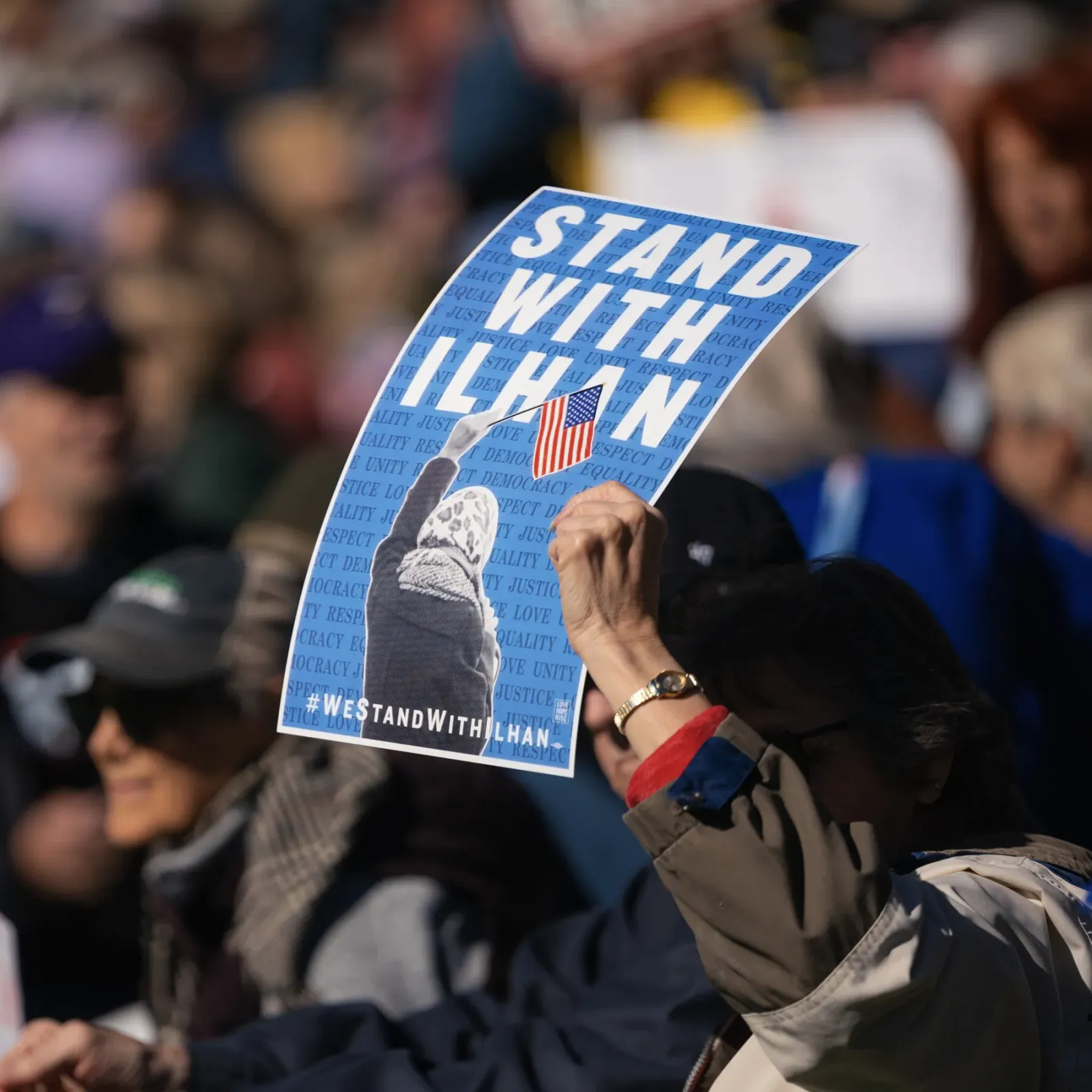
Obama Defends Ilhan Omar After Agents Search Her Home in Trump Inquiry
The former president's intervention raises the stakes in a federal probe into immigration paperwork that has put a prominent progressive lawmaker in the crosshairs.

Blair-era minister: cut welfare to fund youth job support
Alan Milburn's call for welfare cuts to fund employment support opens a Labour fight over benefits and the Neet crisis.
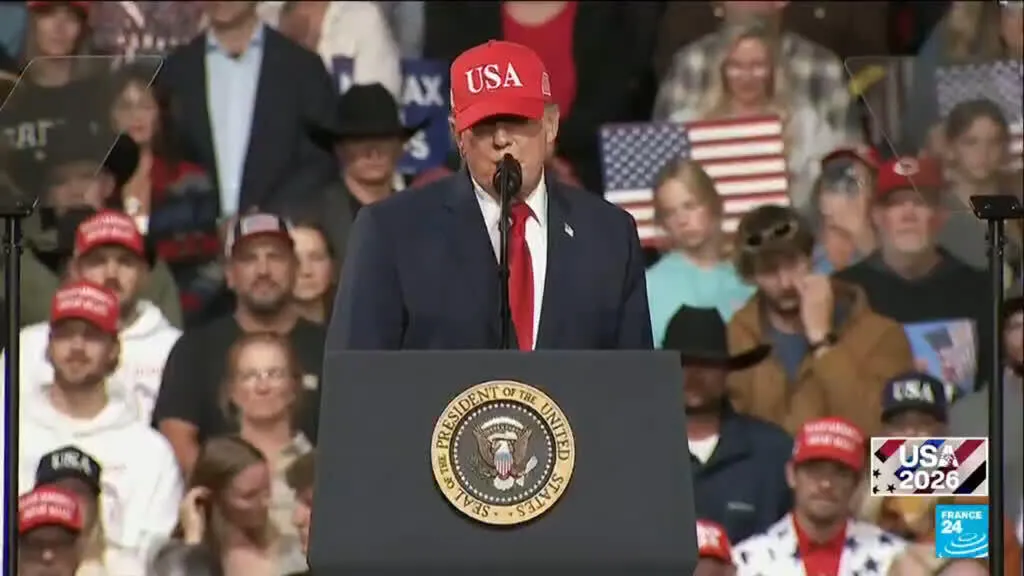
Hot September CPI: energy costs surge, voters feel the squeeze before midterms
The latest inflation print lands as Trump campaigns for GOP control of Congress, putting cost-of-living worries at the center of the midterm fight.