
Activision’s $40 Black Ops PS5 port ships 1080p60 with no anti-aliasing, experts say
Digital Foundry calls the PS5 conversion “deeply odd,” and the pricing makes the backlash feel even sharper.
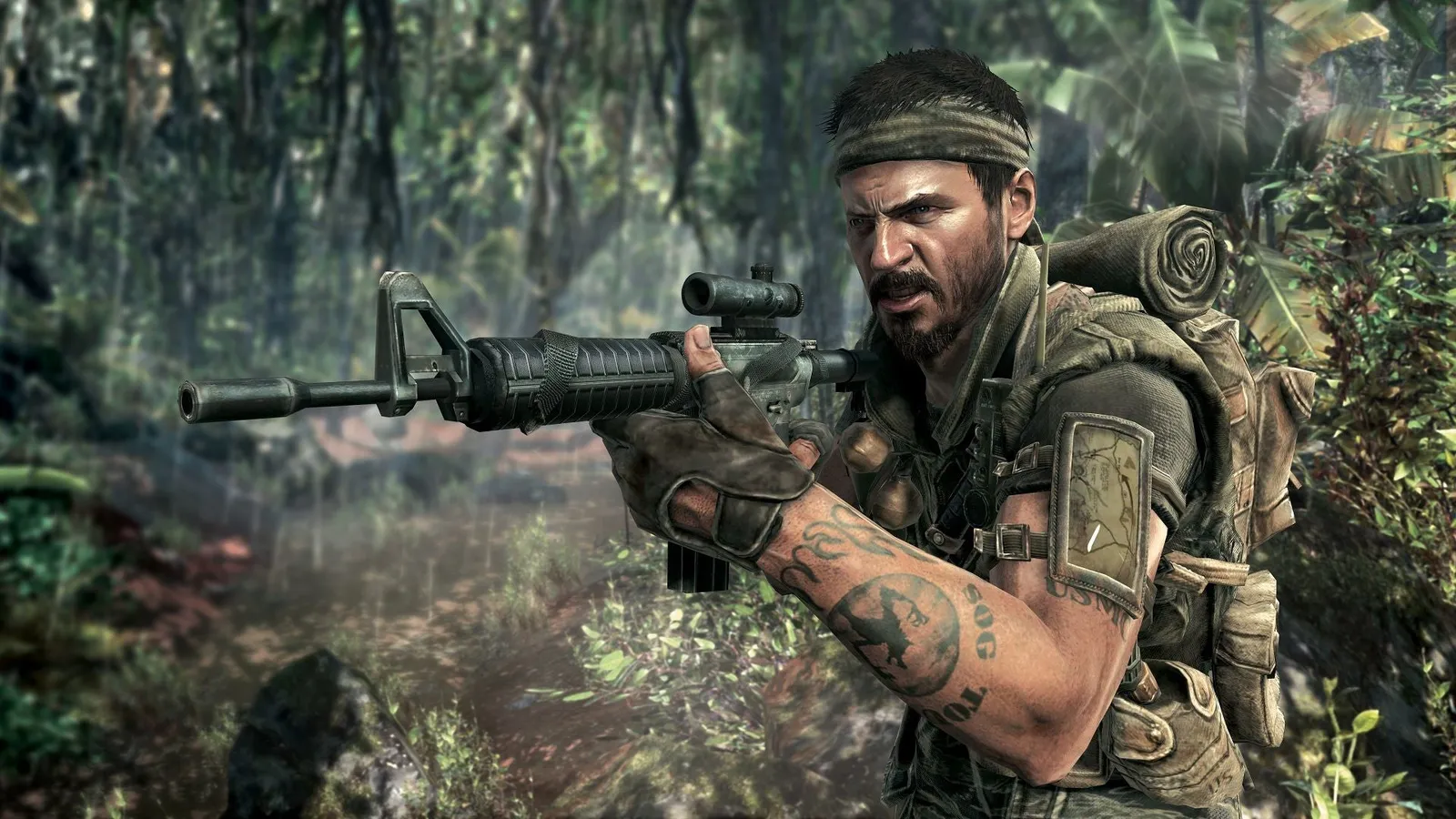
IGN reports that Digital Foundry criticized Activision’s PlayStation 5 port of the original 2010 Call of Duty: Black Ops for missing 4K, lacking anti-aliasing, and keeping frame rate at 60Hz. For decision-makers, the issue is less “old game” and more what price, platform expectations, and execution signal to customers.
Activision’s PlayStation 5 port of the original 2010 Call of Duty: Black Ops is drawing heat for performance and presentation that Digital Foundry calls “deeply odd,” especially at today’s PS5 expectations. Digital Foundry’s analysis says the game runs at 1080p, not 4K, and it ships without anti-aliasing. It also targets a frame rate limited to 60Hz even on PS5, which matters because PS5 can do far more than that.
Digital Foundry’s wording is blunt: “A 1080p60 presentation would be potentially acceptable for the PS4 version - and there is one! - but for a brand new PS5 conversion, it's disappointingly poor and well below what the hardware is capable of,” DF said. “For a native PS5 title and a somewhat high-profile port, this is a deeply odd state of affairs,” DF added. The core of the complaint is that a “somewhat high-profile port” did not use the platform horsepower players reasonably associate with a PS5 upgrade.
The story is also about what is preserved from 2010, not just what is missing. Digital Foundry pointed out that obvious visual blemishes remain in the present day. Shadow quality was necessarily poor back when the game shipped on PlayStation 3 and Xbox 360, but DF questions why those limitations were carried forward into a modern conversion when “so much more graphics horsepower is available.” In other words, the critique is not only about numerical specs like resolution and frame rate. It is about whether the work done matches the promise of a port on a newer system.
There is a pricing angle here that turns tech nitpicks into something closer to a trust issue. IGN notes that these PlayStation Black Ops ports cost $40 each for Black Ops 1 and Black Ops 2. Separately, each game offers a season pass priced at $29.99. If you want the complete experience with both games and all DLC, IGN says the total comes to $140 for games released more than a decade ago. That price framing matters because it raises the question of what buyers should expect in return for paying PS5-era prices for older content.
For executives thinking about product-market fit and platform relationships, this is where the incentives collide. Ports are often positioned as lower-risk monetization for proven IP, and PS5 backward compatibility offers a “good enough” path. But Digital Foundry’s comparison adds pressure: IGN reports that the PS5 and PS4 versions are better than the one accessible on Xbox Series X and S and Xbox One via backwards compatibility, which sticks to the original Xbox 360 resolution of 608p. There are no Xbox enhancements at all, according to the source. So even if one platform version is “better” than the worst alternative, it still can be criticized for not being good enough given the hardware and the conversion effort.
The timing and bundling also shape how customers perceive value. IGN says PlayStation Plus subscribers get a massive discount on both games and their season passes, and that this discount runs until August 6. Under that program, the games cost $20 each and their season passes are $9 each, for a $58 total if you want everything. The second-order effect is that the same underlying technical compromises can feel tolerable when discounted, but harsher when full-price buyers feel they paid premium dollars for what Digital Foundry argues is a premium platform executed like a constrained carryover.
Regulatory background might not be the headline here, but the dynamics are familiar to regulators and boards that oversee consumer protection and platform conduct. When products are sold at specific performance expectations, complaints about resolution, anti-aliasing, and frame-rate targets can become an issue of how accurately marketing aligns with what buyers receive. Even without any explicit regulatory action mentioned in the source, the backlash risk is real because performance gaps can be objectively measured and repeatedly demonstrated by tech communities.
For other studios and publishers watching this, the strategic stakes are bigger than one franchise. If customers feel that “brand new PS5 conversion” means the same visual compromises as older generations, the long-term cost is not just weaker reviews. It is reduced willingness to pay full price for future remasters and ports. And for investors and platform partners, it signals something about execution priorities: whether teams treat ports as quick revenue capture or as credibility-building product work that matches the hardware era they are selling into.
This story's Key Insights and Take-aways are locked.
Create a free account to unlock Executive Actions for one credit.
Register to UnlockAlways free for Executives Club members. Join the Club
More in Entertainment

12TB Steam 'teraleak' goes beyond Valve: GTA 3, Mafia 2 prototypes exposed
A 12-terabyte dump of Steam data reveals prototypes and builds of third-party classics like GTA 3 and Mafia 2, plus unreleased Valve content, rewriting game history.

LinkedIn's romance problem: 1 in 4 workers say dating on it is fair game
A new survey shows a quarter of U.S. employees treat the professional network as fair game for romance, even as LinkedIn bans it and removes hundreds of thousands of offending posts.

Enhypen's first No. 1 album breaks K-pop's Billboard 200 streak
The K-pop group's 98,000-unit debut tops the chart while Dolly Parton's catalog reentry shows how death reshapes streaming.