
Adam Bradford launches Kickstarter Forgotten Odysseys, a Mörk Borg Trojan War death march
The D&D Beyond founder’s Greek-myth TTRPG is live on Kickstarter until July 23, with lethal odds for survivors.
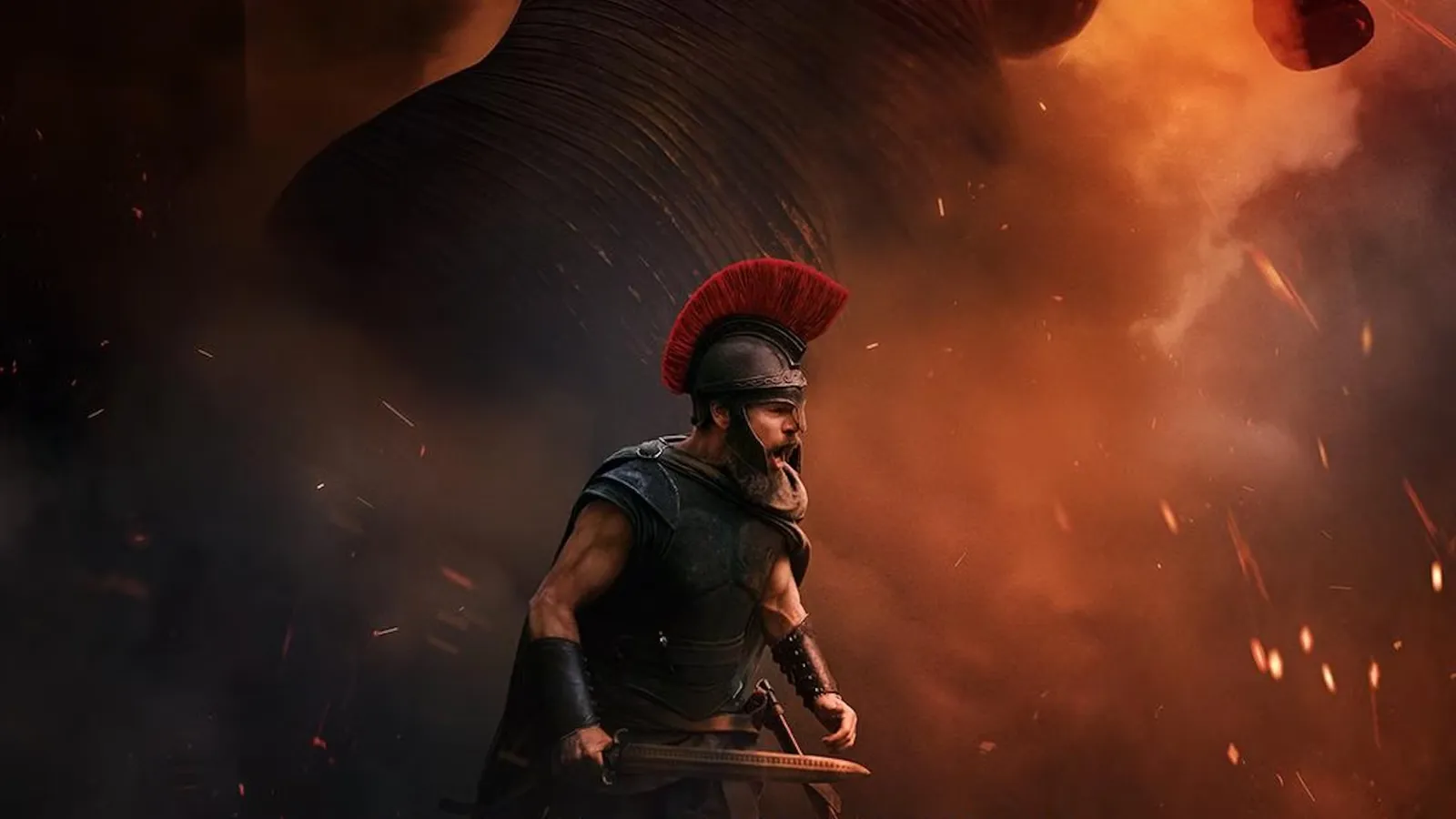
Adam Bradford, the D&D Beyond founder and Invincible roleplaying designer, is running the Kickstarter for Forgotten Odysseys. It retools the lethal Mörk Borg style into a dangerous journey home from the Trojan War, inspired by Christopher Nolan's The Odyssey.
Adam Bradford is turning a Greek mythology obsession into a tabletop headache, and he’s doing it in public with a Kickstarter for Forgotten Odysseys. Bradford, the D&D Beyond founder and Invincible superhero roleplaying designer, launched the campaign on Kickstarter, built to run through July 23. The pitch is simple and brutal: it’s a Mörk Borg hack where players take on the role of Trojan War survivors, trying to make it home while the world fights back.
The “why now” matters, because Bradford’s trigger was unusually specific. He reportedly saw the first trailer for Christopher Nolan’s The Odyssey in 2025, and that moment is what he used to justify a pivot from passion to product. In other words, this isn’t just another myth-flavored TTRPG. It’s a direct attempt to catch attention and buy time in the mainstream conversation that Nolan’s film brought into view, then translate that buzz into an interactive experience built around high lethality.
So what is Forgotten Odysseys actually selling? It’s positioning itself as a deadly tabletop role-playing game inspired by The Odyssey and Final Destination, packaged as a spin on Mörk Borg. That combination signals a particular design philosophy: players are not just “adventuring,” they are moving through a scripted-feeling gauntlet where danger is constant, and failure is part of the fun. Mörk Borg is known for being punishing, and a Trojan War “journey home” framework naturally supports that cruelty. The source material already includes long, winding returns, gods that interfere, and the kind of chaos where plans unravel.
For founders and operators watching from the sidelines, the strategic play here is about timing, fandom, and distribution. Kickstarter gives small teams a way to validate demand before scaling production, but it also forces them into a high-visibility cycle. Campaigns are not just marketing. They are commitments. Running “through July 23” is a deadline that creates urgency for backers and pressure for creators to keep updates moving. If you are advising a board or investing in creator-led products, that is the key second-order implication: the launch window turns creative uncertainty into schedule risk.
There’s also an ecosystem incentive at work. Bradford’s background includes D&D Beyond, which is closely tied to how modern audiences discover and consume tabletop experiences. That kind of experience typically changes how creators think about games as services and communities, not just books. Even if Forgotten Odysseys is a physical tabletop game, the brand DNA behind it can still matter: audience expectations for accessibility, clarity, and “how you actually play this” are shaped by digital tabletop workflows.
On the regulatory framing side, there are not explicit legal claims in the source, but the broader reality for tabletop and Kickstarter projects is that they sit in a world where consumer protection and fulfillment reliability are the unsexy survival rules. Kickstarter backers are buying an outcome, not a finished product in every case. Executives who work on adjacent categories should treat that as a trust problem, not a just a funding problem. The risk is reputational and operational: if fulfillment timelines slip, the campaign can age badly in public, and that can hurt future rounds, partner deals, and community goodwill.
Finally, zoom out. Forgotten Odysseys is aiming to bring mainstream myth into a format built for players who want consequences. The strategic stakes for peers in the creator-economy are straightforward: mainstream media attention can create a demand spike, but converting that spike into a sellable, playable product requires execution across mechanics, production, and community trust. In other words, Bradford’s Kickstarter is not only about whether Trojan survivors can survive the Odyssey-inspired chaos. It is a test of whether a mainstream narrative moment can be efficiently translated into a lethal, brand-defining tabletop experience that people still want after the trailer hype moves on.
This story's Key Insights and Take-aways are locked.
Create a free account to unlock Executive Actions for one credit.
Register to UnlockAlways free for Executives Club members. Join the Club
More in Entertainment

Russell Brand's accuser 'bewildered and confused' as he denies 7 sex charges
The criminal case against the comedian is a live test of how media companies manage talent risk when serious allegations go public.

'It's a Magic Trick': Ballet Experts Say Rosalía's SNL Pose Is Impossible
Three ballet experts tell Rolling Stone Rosalía's gravity-defying SNL stillness shouldn't be possible - and why the debate is now part of the show.

Activision CMO: GTA 6 Will Boost Call of Duty, Not Bury It
Activision's top marketer says Rockstar's blockbuster will drive players back to consoles and into Modern Warfare 4, even as the company admits its recent strategy failed.