
Netflix’s Unhinged horror game was secretly built with David Fincher and Zach Cregger
Night School Studio’s new Netflix title “Unhinged” aims to make players die on purpose, at least once.
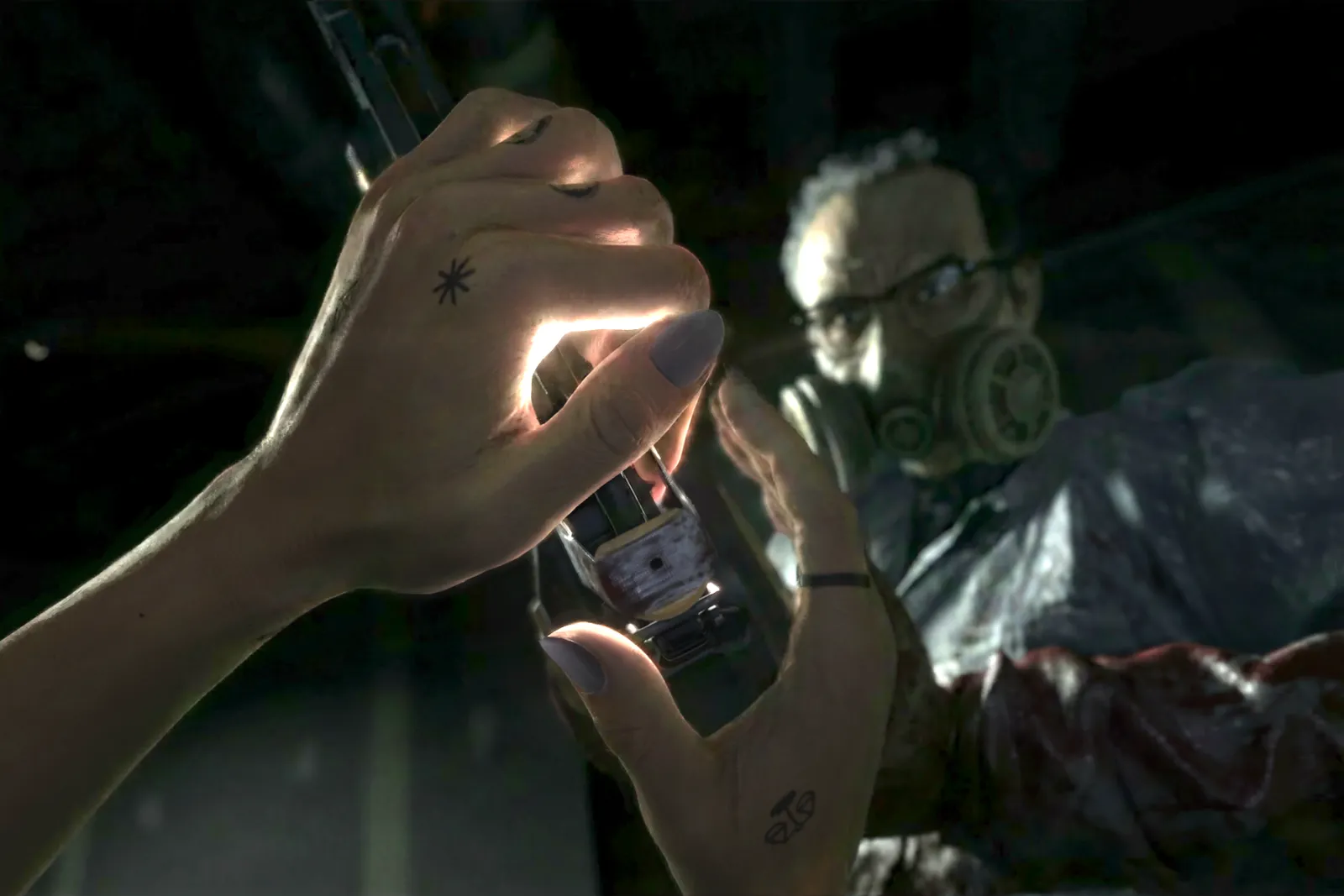
Netflix released Night School Studio’s horror game “Unhinged,” developed in secret collaboration with David Fincher and “Weapons” director Zach Cregger. Night School founder and studio director Sean Krankel says the team wants players to die while playing it.
Netflix just dropped a horror game called “Unhinged,” and the scariest part may be how seriously it was engineered to break you. Night School Studio’s founder and studio director Sean Krankel says the creators want players to die while playing the game, “at least once.” It is also being framed as a Netflix experience, so the entertainment strategy is not just “make a game,” it is “make a Netflix-first fear machine.”
That ambition matters because the creative crew is not small or random. The project was made in secret collaboration with David Fincher and “Weapons” director Zach Cregger, tying “Unhinged” to two filmmakers with a reputation for control, tone, and tight psychological pacing. In other words, this is not horror content built by a committee trying to land a safe, generic scare. It was shaped by directors who have historically treated storytelling like a system, not a vibe.
So what is “Unhinged” actually promising players? According to the article, it is a horror video game now available on Netflix, and it is built around a deliberate, player-facing threat model that includes death as a feature, not just a failure state. Krankel’s “at least once” line is a small quote with a big implication: the game is designed to teach the player what kind of consequences the world has. In games, death can be punitive, or it can be instructive. Here, the intent reads like the team wants that jolt to be part of the horror contract, a repeated reminder that the environment is dangerous and the player is not in control.
This matters beyond fandom, because Netflix’s move sits at the intersection of two pressures that executives are feeling right now. First, Netflix has been expanding the “evergreen subscription library” concept into gaming, but gaming has one brutal truth that TV does not: engagement is fragile. A player can bounce in minutes. A horror game, especially one with cinematic influence, has to earn every minute of attention and keep tension consistent. Second, Netflix is building something in a live ecosystem where platform dynamics and audience expectations collide. Netflix viewers expect serialized pacing and character-driven immersion. Game players expect responsive systems and mechanics that feel fair even when scary.
Night School’s ability to attract and collaborate with Fincher and Cregger also hints at how serious Netflix is about credibility in the medium. When high-profile filmmakers attach themselves to interactive experiences, boards and investors typically look for more than brand association. They want evidence that the work will translate. In interactive horror, translation means mechanics that land the same emotional beat as a great scene in a film. If a jump scare works in a movie but collapses in a game because controls are clunky or rules are opaque, the audience notices fast. The article’s premise, that the creators want players to die, signals the team is thinking about how interactive stakes feel moment to moment, not just how a trailer looks.
There is also a behind-the-scenes incentive angle. Secret collaborations are not just a fun trivia detail. They suggest that the creative and platform teams wanted to align on tone and execution before public scrutiny and marketing timelines forced compromises. For executives, alignment is everything in cross-industry bets. Filmmakers bring aesthetic discipline. Game studios bring system design and playtesting rigor. Netflix brings distribution and production muscle. When those worlds synchronize early, you get fewer midstream pivots, less rework, and fewer late compromises that dilute the horror promise.
From a regulatory and risk lens, gaming on a major streaming platform also raises another set of questions executives monitor, even if the article does not go deep on policy. Horror games involve violence and intense fear cues. Regulators and platform standards in many jurisdictions focus on age-appropriate content, labeling clarity, and accessibility. Even where the story can be dark, the business must still manage distribution compliance and audience segmentation. The more the game leans into death and threat, the more careful the packaging and rating posture needs to be for a global platform.
The strategic stakes for peers are pretty clear. If “Unhinged” lands, Netflix reinforces a playbook: use film-level creative talent to make interactive content feel like premium narrative, then use the streaming platform to scale adoption quickly. If it misses, the damage is not just one game. The reputational cost is about trust: can Netflix produce games that hold attention and deliver consistent quality across genres. For boards, partners, and media executives watching gaming partnerships, the bigger takeaway is that the next content wave will not just be “available on Netflix.” It will be built with Netflix’s distribution realities and a filmmaker-grade obsession with tone from day one.
At the center of it all is a simple, unsettling idea from Sean Krankel: the game wants you to die, at least once. For a platform betting on gaming, that is either a stroke of design brilliance or a reminder that horror is unforgiving. Either way, “Unhinged” is positioned as a deliberately crafted Netflix-first threat, not a casual side project.
This story's Key Insights and Take-aways are locked.
Create a free account to unlock Executive Actions for one credit.
Register to UnlockAlways free for Executives Club members. Join the Club
More in Entertainment

Russell Brand's accuser 'bewildered and confused' as he denies 7 sex charges
The criminal case against the comedian is a live test of how media companies manage talent risk when serious allegations go public.

'It's a Magic Trick': Ballet Experts Say Rosalía's SNL Pose Is Impossible
Three ballet experts tell Rolling Stone Rosalía's gravity-defying SNL stillness shouldn't be possible - and why the debate is now part of the show.

Activision CMO: GTA 6 Will Boost Call of Duty, Not Bury It
Activision's top marketer says Rockstar's blockbuster will drive players back to consoles and into Modern Warfare 4, even as the company admits its recent strategy failed.