
Netflix resurrects Gene Wilder’s voice for Willy Wonka reality show
Wonka's The Golden Ticket debuts Sept. 23, using AI voice with Wilder estate consent, plus one real Oompa Loompa returning.
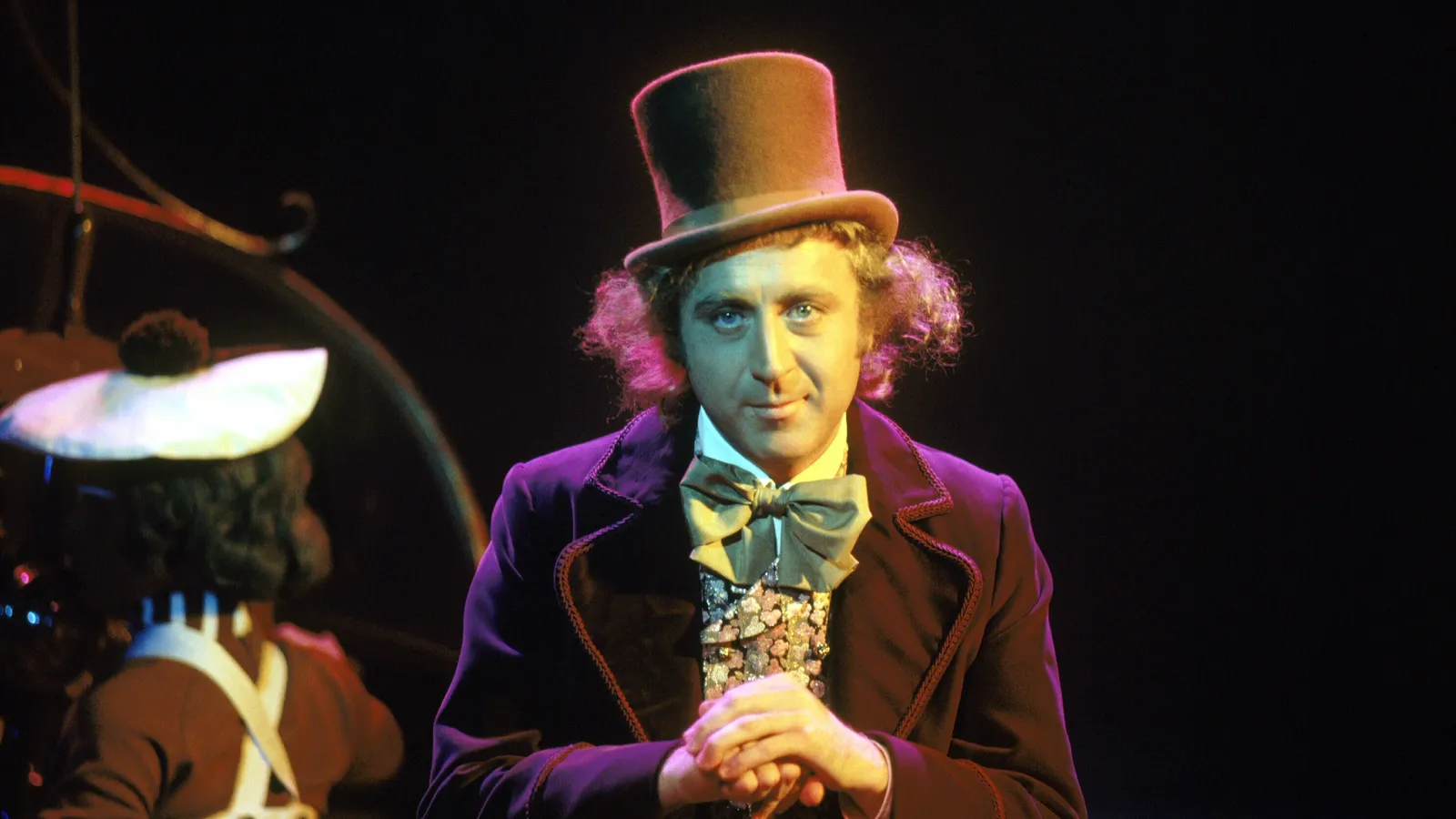
Netflix is rolling out Wonka's The Golden Ticket, a nine-episode Willy Wonka reality series debuting Sept. 23, narrated by an AI reproduction of Gene Wilder. For decision-makers, the case is a live test of consent-led celebrity voice licensing and how fast AI monetization is becoming standard entertainment infrastructure.
Netflix is bringing Gene Wilder back, at least vocally. Wonka's The Golden Ticket, a new Netflix reality competition, will debut September 23 and its trailer is narrated by an AI reproduction of Wilder, recreated by ElevenLabs with consent from Wilder's estate, according to the reporting cited by IGN. The nine-episode series will welcome 12 contestants into a fresh version of Wonka's chocolate factory, where they face challenges designed to test their physical, mental, and moral strength in the hope of winning a “life-changing prize.”
The Wilder estate piece is the key part of the story, because it reframes this as more than a gimmick. In a statement carried in the article, Karen B. Wilder, on behalf of the Gene Wilder Estate, says: “More than five decades after Gene brought Willy Wonka to life, people of all ages and backgrounds around the world continue to find joy, laughter and inspiration in his performance.” She adds that the estate is “delighted that Wonka's The Golden Ticket celebrates the warmth and imagination” Wilder brought to the role, “introducing that magic to a new generation while honoring the fans who have cherished it for decades.” In other words, Netflix is not just deploying synthetic media. It is pairing it with explicit permission from the rights-holder.
If you are an executive, this is what makes the move worth watching: the technology stack and the permissions stack are converging. The trailer narration was recreated by ElevenLabs, which is described in the article as “ubiquitous” and tied to multiple high-profile voice and narration efforts. The article notes that ElevenLabs previously released a new version of The Odyssey narrated by an AI reproduction of Michael Caine, and that it “recently paid to capture the voice rights of late Marvel legend Stan Lee for use in various commercial ventures.” For boards and leadership teams, that pattern matters because it suggests a shift from isolated experiments to repeatable licensing deals.
Wonka's The Golden Ticket also leans into the franchise’s authenticity in parallel with the AI. Alongside its AI Wilder, the series will include actual talent from Wilder's beloved 1971 film Willy Wonka & the Chocolate Factory. Specifically, Rusty Goffe returns as an Oompa Loompa for the show. That combination matters for audience trust. AI can generate controversy when it feels like impersonation without context, but bringing back a real performer from the original movie offers a bridge between nostalgia and the new format.
There is also a broader industry conversation embedded in the article, because ElevenLabs is not only changing how content sounds, it is changing how voice rights are treated like product assets. The article says the 93-year-old Michael Caine previously described ElevenLabs' AI voice technology as “using innovation not to replace humanity, but to celebrate it... It's not about replacing voices; it's about amplifying them, opening doors for new storytellers everywhere.” It further states that ElevenLabs owns a library of living and dead celebrities, listing Judy Garland, David Hasselhoff, Albert Einstein, and Matthew McConaughey as examples, and it notes McConaughey has invested an undisclosed amount in the company.
This is where governance and risk management enter. Last year, Sir David Attenborough issued a strongly worded statement saying he was “profoundly disturbed” that AI was being used to have him say “pretty much anything.” Put Attenborough next to the Wilder estate consent in the same article, and you get the core tension executives now have to manage: the technology may be capable of convincing voice replication, but legitimacy hinges on who authorized it, for what use, and under what boundaries.
The business second-order effect is that entertainment companies are effectively building a new form of distribution power: the ability to repurpose recognizable voices and performance styles across formats and timelines. That can reduce friction for creators and speed up production, but it also increases the surface area for brand damage if terms are unclear or if audience perception shifts. For Netflix specifically, the stakes are not just creative. They are commercial and reputational, because the company is using AI voice narration for a mainstream, family-facing property with a legacy actor at its center, and it is doing so at a moment when public scrutiny of synthetic media is intensifying.
This story's Key Insights and Take-aways are locked.
Create a free account to unlock Executive Actions for one credit.
Register to UnlockAlways free for Executives Club members. Join the Club
More in Entertainment

Russell Brand's accuser 'bewildered and confused' as he denies 7 sex charges
The criminal case against the comedian is a live test of how media companies manage talent risk when serious allegations go public.

'It's a Magic Trick': Ballet Experts Say Rosalía's SNL Pose Is Impossible
Three ballet experts tell Rolling Stone Rosalía's gravity-defying SNL stillness shouldn't be possible - and why the debate is now part of the show.

Activision CMO: GTA 6 Will Boost Call of Duty, Not Bury It
Activision's top marketer says Rockstar's blockbuster will drive players back to consoles and into Modern Warfare 4, even as the company admits its recent strategy failed.