
Adolescence scribe Jack Thorne: AI-cheating writers should be punished
The WGGB speech puts AI-generated scripts inside UK writers' rooms and raises the stakes for studios, showrunners, and talent reps.
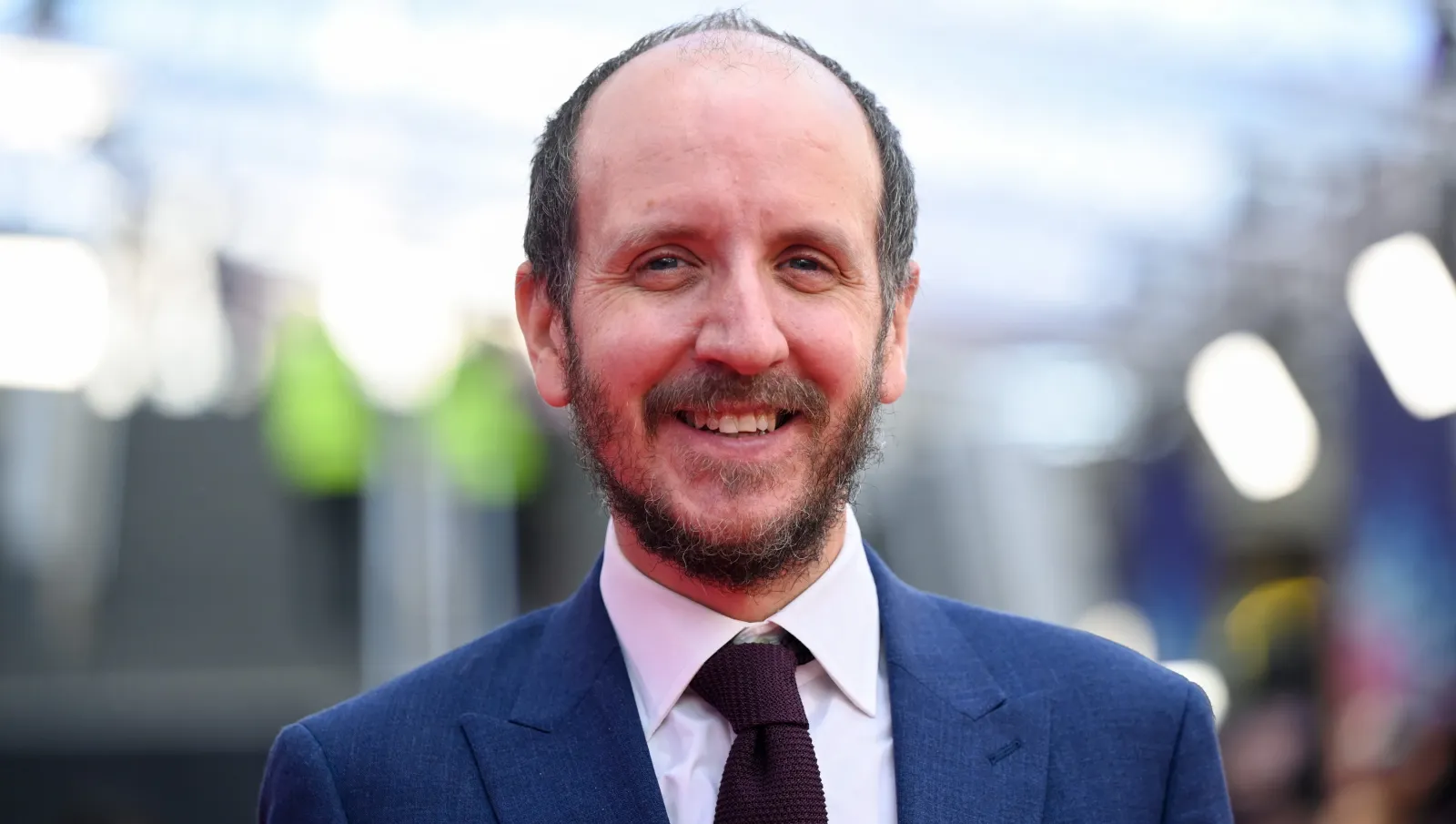
Jack Thorne, the screenwriter behind Adolescence and Lord of the Flies, told the Writers' Guild of Great Britain that some fellow writers are using AI to generate scripts and should be punished if caught. The claim intensifies the industry's AI reckoning and puts pressure on studios and guilds to define what counts as cheating.
Jack Thorne, one of the UK's most respected screenwriters, has told the Writers' Guild of Great Britain that some of his fellow writers are using artificial intelligence to generate scripts, and that those caught should be punished. In a speech about AI delivered on behalf of the WGGB, the writer behind Adolescence and Lord of the Flies said he is aware of fellow creatives turning to AI to do the work. The accusation is striking because it comes from an insider, not a studio executive or a regulator.
This is not a distant hypothetical about the future of the industry. Thorne is describing what he says is happening now, inside the profession, among people who are supposed to be protecting the craft. The timing matters. Studios are under intense pressure to cut costs, and generative AI tools have become sophisticated enough to produce dialogue, outlines, and even full drafts that can pass for human work, at least at first glance. If a working screenwriter says peers are using these tools to generate scripts, the question is no longer whether AI belongs in the writers' room. It is already there.
For context, the WGGB is the trade union that represents writers across film, television, theatre, radio, books, and games in the UK. It has been vocal about the threat AI poses to writers' livelihoods, and it has been pressing policymakers on copyright and transparency as the UK government considers how to regulate AI. Thorne's speech is part of that broader campaign, but his specific claim about fellow writers 'cheating' adds a new and uncomfortable dimension. The enemy is not only faceless tech companies. It is also, allegedly, some of the people in the same union.
The economic stakes are straightforward. In the UK and the US, writers are paid through a system of fees, residuals, and royalties that depends on clear credit for specific work. If a script is generated by AI and submitted under a writer's name, that writer collects the fee and the credit, while the actual creator of the text is a machine with no legal personality. That breaks the chain of authorship that the entire industry is built on. It also raises a copyright problem: under current UK law, as in the US, copyright protection requires human authorship. A script that is substantially AI-generated may not be protectable, which means a studio could pay for a script it does not actually own.
That creates a governance problem for production companies and platforms. Chain of title, the legal record that proves a studio owns the rights to a project, depends on knowing who wrote what. If a writer used AI without disclosure, the chain of title could be contaminated. A producer who discovers this after a project is greenlit faces a choice: renegotiate, rewrite, or risk a legal challenge. Thorne's call for punishment is really a call for the industry to define what counts as cheating before the ambiguity becomes a liability.
There is also a trust problem inside writers' rooms. Showrunners and lead writers are responsible for the work that goes out under their names. If some writers are quietly using AI, it puts pressure on everyone else to either match that speed or report the behavior. That is a recipe for resentment and conflict. Thorne's speech may push guilds and studios to adopt explicit AI disclosure rules, similar to the transparency clauses that have started appearing in some US union contracts. The Writers Guild of America's 2023 agreement with studios included provisions on AI, and the WGGB has been pushing for comparable protections in the UK.
The bigger strategic point is about bargaining power. If AI can generate a credible first draft, the leverage of individual writers weakens, even if the final product still needs human polish. Studios may begin to see AI as a way to reduce development costs, and writers may respond by demanding contractual guarantees that AI-generated material will not be used without human oversight. Thorne's speech is a warning shot: the rules of the game need to be set now, while the technology is still new enough to regulate, rather than after it becomes the default.
For executives, the immediate takeaway is to treat AI disclosure as a compliance issue, not just a creative one. Production companies, studios, and talent agencies should consider adding explicit AI-use clauses to writer agreements, defining what must be disclosed and what happens if it is not. The cost of a clear policy is small. The cost of a lawsuit, a contaminated copyright, or a public scandal is not. Thorne has named the problem. The industry now has to decide how to respond.
This story's Key Insights and Take-aways are locked.
Create a free account to unlock Executive Actions for one credit.
Register to UnlockAlways free for Executives Club members. Join the Club
More in Entertainment
Musk doc moves up a week after rave reviews and legal threats
Alex Gibney's 225-minute Musk film hits theaters October 9, one week early, after Venice acclaim and a warning letter from Elon Musk's attorney.

Zen-like Zverev wins US Open, six years after final heartbreak
Alexander Zverev's composed game plan outlasted Ben Shelton's power to finally claim the title that slipped away in a previous final.
Zheng stuns Swiatek at US Open after another 5-0 comeback
The 22-year-old's second straight escape from 5-0 down sends the world No. 1 packing and reshapes the women's draw.